
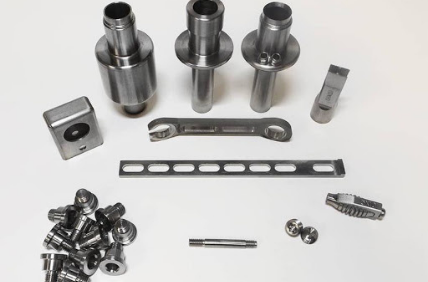
Detailed Information
Fasteners made of titanium are mostly utilised in aeroplanes. An aeroplane must be able to bear a great deal of pressure while being light. Titanium is also corrosion resistant and has excellent high-temperature performance, both of which are significant characteristics in aeronautical components. Other uses for titanium fasteners can be found. However, in the aircraft sector, they are a critical component.
It is an ideal material for a variety of components due to its excellent corrosion Resistance and high temperature. Titanium tubing may be utilised in both aerospace and marine applications. Titanium tubing may be used in a number of applications, including deep sea drilling components, maritime equipment, and desalination facilities.
We are the world’s largest manufacturer, supplier, and exporter of Titanium components. Our experts use cutting-edge technology to create a wide range of Titanium components. We are able to provide a higher-quality product at a cheaper price. We provide a comprehensive range of services to our clients, including product design, manufacturing, and suppliers, as well as testing and direct delivery.
What is the difference between 90/10 and 70/30 copper-nickel?
CuNi 90/10 is more economical and offers good corrosion resistance and thermal conductivity, ideal for standard marine piping and heat exchangers. CuNi 70/30 provides higher strength and better performance in aggressive or high-velocity seawater, commonly used in offshore and desalination systems.
Titanium Components Products
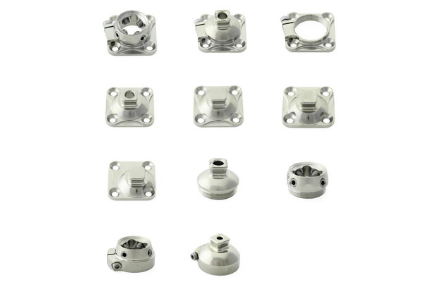
Titanium Components
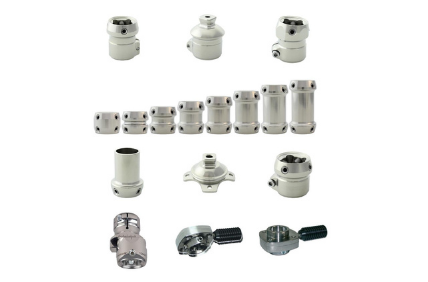
Ti 309 Components

UNS R50400 Components
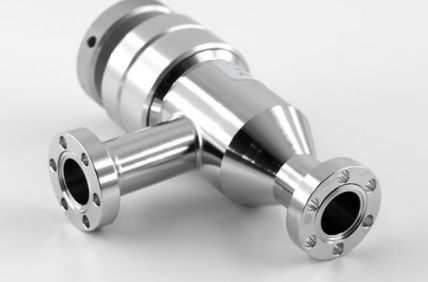
UNS R50550 Components
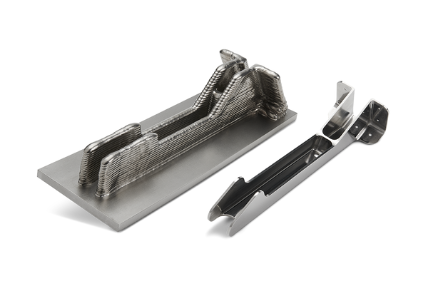
UNS N56400 Components
Chemical Properties of Titanium Grade
|
Grade |
Ti |
C |
Fe |
H |
N |
O |
Al |
V |
|
Ti Grade2 |
99.2 min |
0.1 max |
0.3 max |
0.015 max |
0.03 max |
0.25 max |
– |
– |
|
Ti Grade5 |
90 min |
– |
0.25 max |
– |
– |
0.2 max |
6 min |
4 min |
|
Ti Grade3 |
Bal |
0.10 max |
0.30 max |
0.015 max |
0.03 max |
0.25 max |
||
|
Ti Grade7 |
90 min |
– |
0.25 max |
– |
– |
0.2 max |
6 min |
4 min |
Mechanical Properties of Titanium Grade
|
Element |
Density |
Melting Point |
Tensile Strength |
Yield Strength (0.2%Offset) |
Elongation |
|
Titanium Gr. 2 |
4.5 g/cm3 |
1665 °C (3030 °F) |
Psi – 49900 , MPa – 344 |
Psi – 39900 , MPa – 275 |
20 % |
|
Gr3 |
50 |
40 |
14.9 |
103 GPa |
0.34-0.10 |
|
Titanium Gr. 5 |
4.43 g/cm3 |
1632 °C (2970 °F) |
Psi – 138000 , MPa – 950 |
Psi – 128000 , MPa – 880 |
14 % |
|
Ti Gr7 |
4.43 g/cm3 |
1632 °C (2970 °F) |
Psi – 138000 , MPa – 950 |
Psi – 128000 , MPa – 880 |
14 % |
Equivalent Grades for Titanium
|
STANDARD |
WERKSTOFF NR. |
UNS |
|
Titanium Gr. 2 |
3.7035 |
R50400 |
|
Titanium Gr. 5 |
3.7165 |
N56400 |
|
Titanium Gr 3 |
3.7055 |
R50550 |
|
Titanium Gr7 |
3.7165 |
N56400 |
Request A Quote
Our Products
Our Latest Blogs
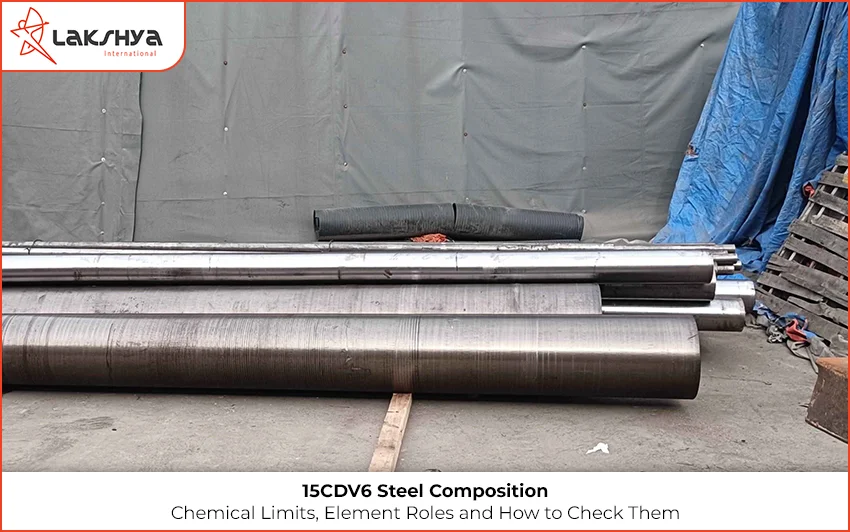
15CDV6 Steel Composition: Chemical Limits, Element Roles and How to Check Them
Search for the 15CDV6 steel composition and you will find more than one version of the numbers,...
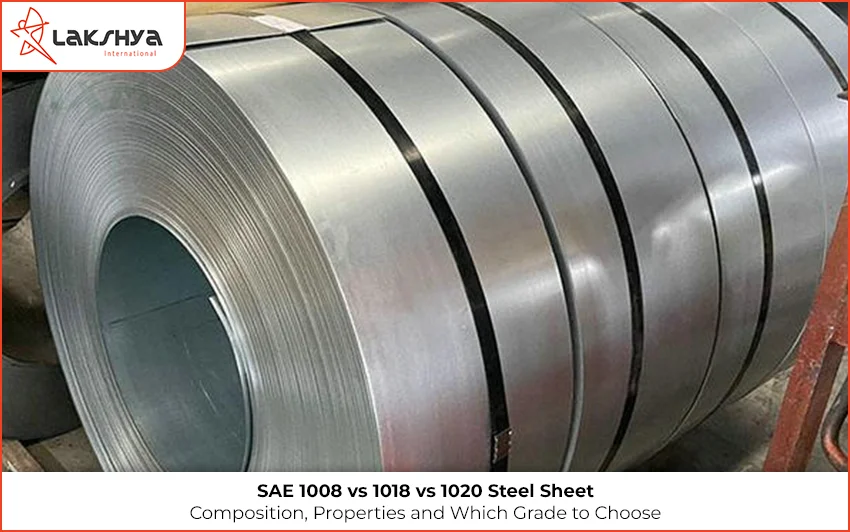
SAE 1008 vs 1018 vs 1020 Steel Sheet: Composition, Properties and Which Grade to Choose
SAE 1008, SAE 1018, and SAE 1020 differ mainly on the basis of the amount of carbon and manganese...
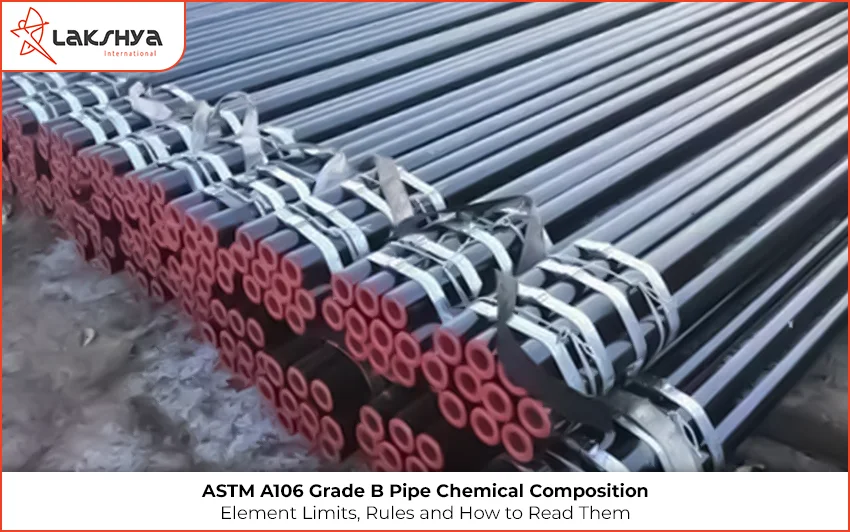
ASTM A106 Grade B Pipe Chemical Composition: Element Limits, Rules and How to Read Them
Checking the ASTM A106 Grade B pipe chemical composition on a mill certificate? Here is the short...
Related Products
Send Us Message
Got a question? We'd love to hear from you. Send us a message & we'll respond as soon as possible.
