
Mild Steel Products Supplier in India
Mild steel is used extensively in construction, fabrication, machinery and general engineering due to its accessibility for cutting, forming, welding and machining.Lakshya Steel provides mild steel products in various shapes and sizes for industrial & project needs. It can be flat bars, square bars, round bars, MS angles, channels, I-beam, sheets and structural plates. Uses include frames, supports, platforms, machinery components, fabricated structures and load-bearing uses in general.
A wide range of options are available for the angle of frames and supports, channels and beams for structural fabrication, flat bars for brackets and base elements, and round and square bars for general engineering and machining. The structural plates may be chosen as IS 2062 E250, IS 2062 E350 based on the strength and thickness required, Quality designation and Project specification.
Each enquiry of a mild steel product is unique. Grade, section size, thickness, length, quantity, surface condition, testing and documentation should be confirmed before placing an order. Lakshya Steel categorises its mild steel products into product form and grade for ease of reference, for the procurement teams, fabricators and engineers to check the relevant specifications prior to making a quotation.
For a project-specific quotation, deliver our team your required product, grade, dimensions, quantity, and delivery location.
Mild Steel Products Lists
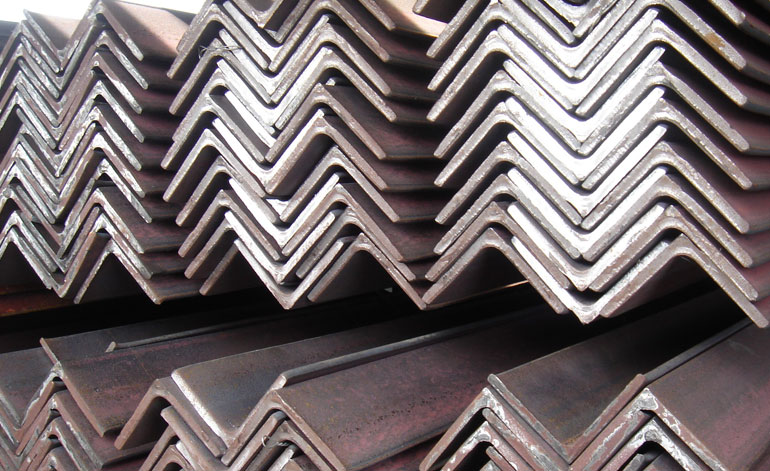
MS Angles
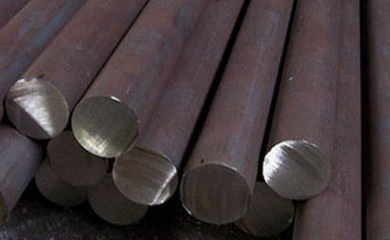
MS Round Bars
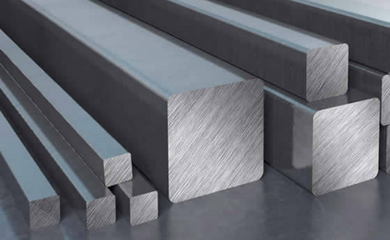
MS Square Bars
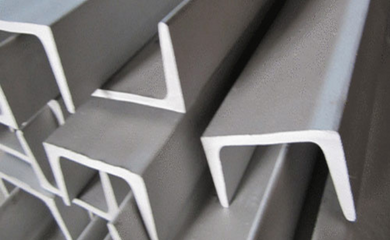
MS Channels
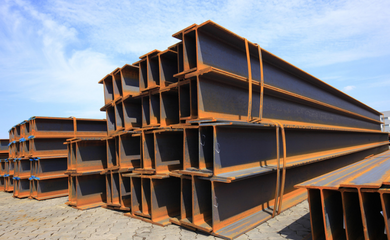
MS I Beam
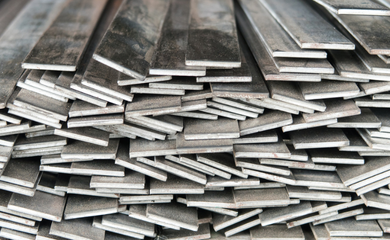
MS Flat Bars
Mild Steel Product Range
| Product / Grade | Buyer Use |
| MS angles | Equal and unequal angle sections for frames, supports and fabrication. |
| MS channels | Channel sections for frames, supports and fabricated structures. |
| MS I beams | Load-bearing sections selected by depth, flange and weight per metre. |
| MS flat bars | Flat sections for brackets, frames, base parts and general fabrication. |
| MS square bars | Square sections for fabrication and machined parts. |
| MS round bars | Round sections for pins, shafts and general engineering. |
| IS 2062 E250BR plates | Structural sheet and plate for project-specific fabrication. |
| IS 2062 E350C plates | Higher-strength structural plate for approved designs. |
Material and Grade Selection Guide
| Option | Reference / Composition Basis | Choose It When | Selection Caution |
| IS 2062 E250 | General structural steel with grade and quality suffixes | Fabrication, frames and general structures | Specify quality designation, thickness and impact requirement. |
| IS 2062 E350 | Higher strength structural grade | Heavier structures and load-bearing fabrication | Welding procedure and toughness requirement depend on quality class. |
| EN S235 / S275 | European structural grades | General structural plate and sections | Do not treat EN grades as exact substitutes for IS grades without design approval. |
| EN S355 | Higher-strength European structural grade | Buildings, equipment and fabricated structures | Suffix such as JR, J0 or J2 defines impact test requirement. |
| S690QL / S700MC | Related high-strength structural plate grades | Weight reduction and high-load applications | These are not ordinary mild steel and need dedicated fabrication guidance. |
Standards by Product Form
| Product Form | Common Reference | What to State in the Enquiry |
| Structural plate | IS 2062; EN 10025; project specification | Grade, quality suffix, thickness, width, length and impact requirement |
| Angles and channels | IS 808 / relevant dimensional standard | Section designation, length, tolerance and mass |
| Beams | IS 808 / project dimensional standard | Depth, flange dimensions, length and mass per metre |
| Flat, square and round bars | IS or EN product standard | Section size, condition, tolerance and length |
| Surface protection | Project coating or galvanizing specification | Surface preparation, coating system and dry-film requirement |
How to Select the Right Product Form
- Use pipe and tube pages when the enquiry is controlled by OD or NPS, wall thickness, schedule, construction method and pressure or heat-transfer service.
- Use plate and sheet pages when thickness, width, length, finish, forming and fabrication are the main buying variables.
- Use bar pages when diameter or section, condition, tolerance, machining and heat treatment control the requirement.
- Use flange and fitting pages when the design is controlled by size, pressure class, facing, schedule, joint type and piping code.
- Use component pages for drawing-based parts with defined tolerances, inspection and end-use information.
Industries We Serve
- Construction and infrastructure: Angles, channels, beams and plates for frames, supports and fabricated structures.
- Industrial fabrication: Flat bars, plates and sections for skids, platforms, guards and equipment frames.
- Warehousing and material handling: Structural members and fabricated components for racks, conveyors and support systems.
- Machinery and general engineering: Round, square and flat bars for pins, brackets, bases and machined parts.
- Transport and agricultural equipment: Structural sheets, plates and sections selected for forming, welding and load requirements.
Testing and Documentation
Testing and documentation should be agreed before quotation. Depending on the product standard and project, the requirement may include a mill test certificate, heat-number traceability, chemical and mechanical test results, dimensional inspection, positive material identification, non-destructive examination, pressure testing, impact testing, surface or coating records and third-party inspection. Lakshya Steel should publish only the services that are confirmed for the selected product and supply route.
Prepare a Clear Enquiry
- Material or grade
- Product form and governing standard
- Dimensions, thickness, wall, schedule, section or pressure class
- Quantity and length
- Condition, temper, heat treatment or finish
- Testing, certificate and inspection requirement
- Drawing and tolerances for components
- Delivery destination and end use
Frequently Asked Questions About Mild Steel Products
1. What is the difference between mild steel and carbon steel?
Mild steel is a low-carbon category within the broader carbon steel family. It is commonly selected for forming, welding and general structural fabrication. Carbon steel also includes medium- and high-carbon grades, pressure-pipe materials and engineering steels whose properties and heat-treatment requirements differ significantly.
2. Which mild steel section should I choose?
The choice between angle, channel, I beam, flat bar, square bar and round bar depends on load direction, stiffness, connection method, available space and fabrication process. Use the approved structural design and specify the section designation, length, tolerance, surface condition and applicable dimensional standard.
3. What do IS 2062 E250 and E350 mean?
IS 2062 covers structural steel grades. E250 and E350 indicate minimum yield-strength classes under defined thickness and quality conditions. Additional suffixes identify quality and impact requirements. Buyers should specify the complete designation because E250 or E350 alone may not define every test and delivery condition.
4. Are S690QL and Strenx 700 mild steel grades?
No. They are high-strength structural plate grades with dedicated processing and fabrication requirements. They may be linked from the mild steel pillar as related structural products, but the page should not describe them as ordinary low-carbon mild steel.
5. What documents should be requested with mild steel products?
Depending on the product and project, buyers may request a mill test certificate, heat-number traceability, chemical and mechanical results, dimensional inspection, impact testing and coating records. Structural projects should also state the complete grade, quality suffix, section or plate dimensions and required standard.
