
Lakshya International provides Stainless Steel 303 Products for situations where machining performance is very important. This material is also known as AISI 303, UNS S30300 and EN 1.4305. It is a machining-focused austenitic stainless steel that is often chosen for turned parts, drilled parts, threaded parts and other precision-machined components. The sulfur added to the material helps with breaking chips and makes 303 easier to machine compared to regular austenitic stainless steels.
This grade is not a substitute for Stainless Steel 304 Products or Stainless Steel 316 Products. Stainless Steel 303 is usually chosen when machining efficiency is a factor and the environment where it will be used is not very harsh. Buyers should think about the corrosion resistance required, welding needs, forming processes, the shape of the product, the size and the applicable standard before deciding on the material. For project needs, provide the grade, product type, size, quantity and relevant standard through the Request a Quote page.
Stainless Steel 303 Products
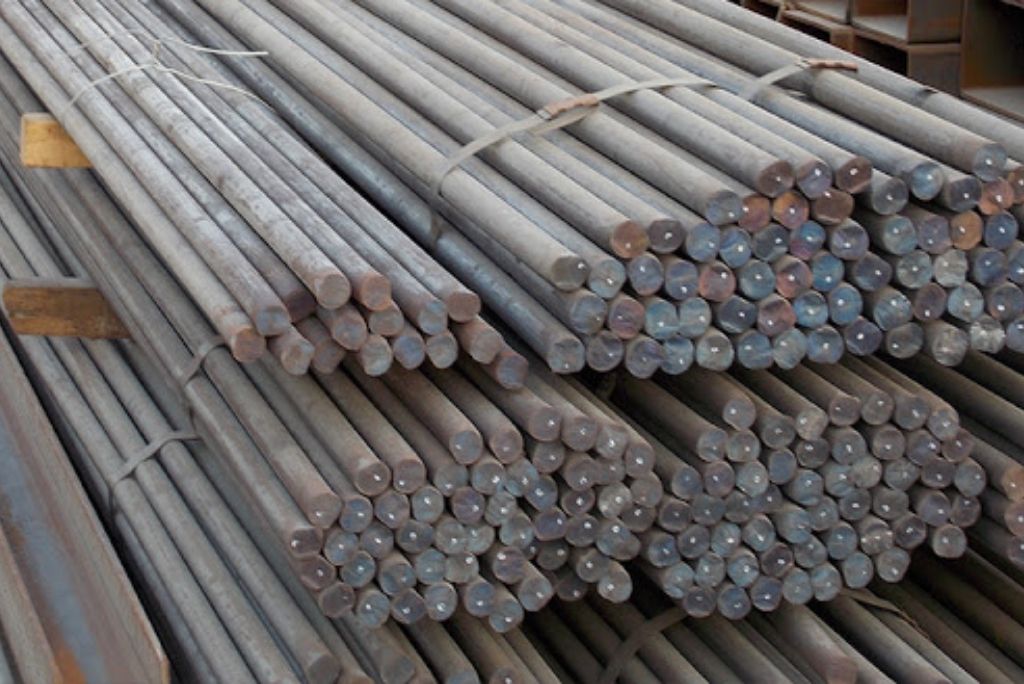
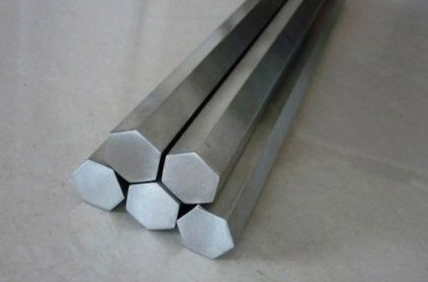
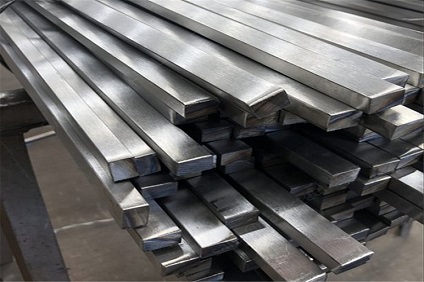
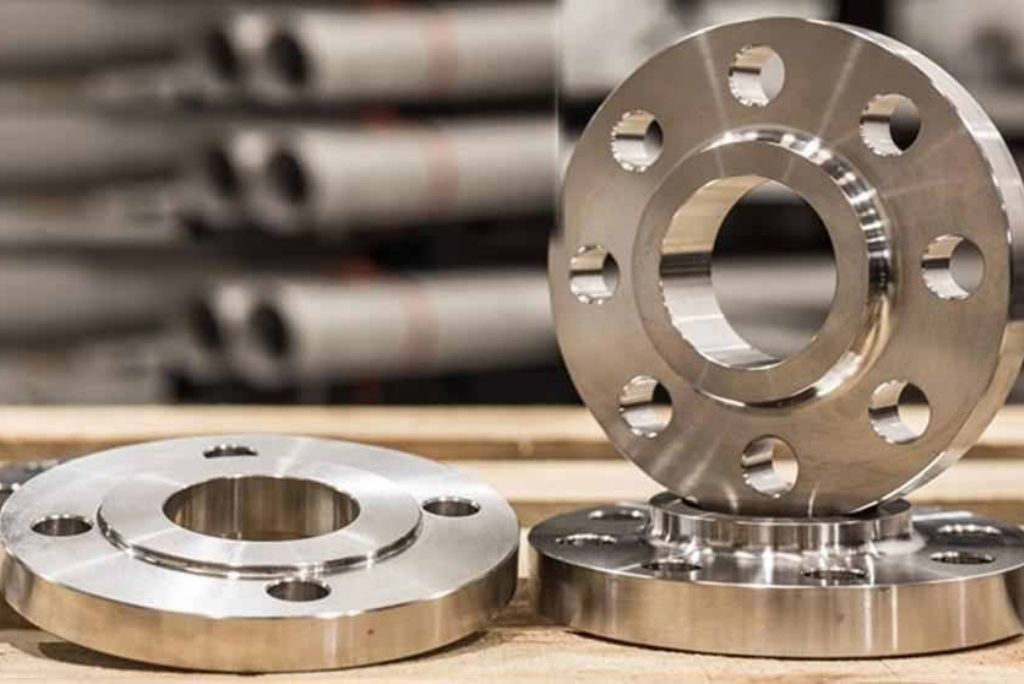
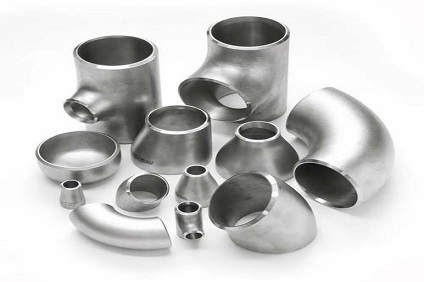
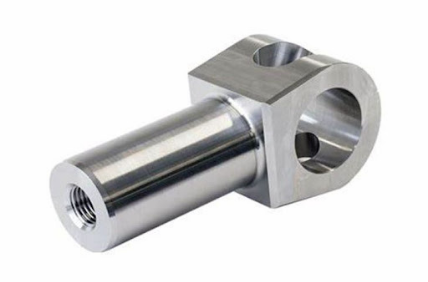
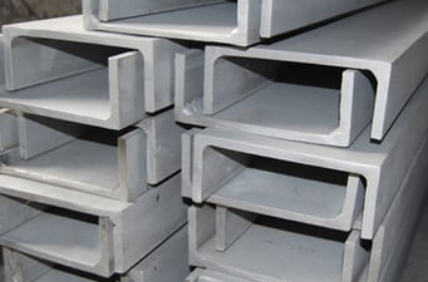
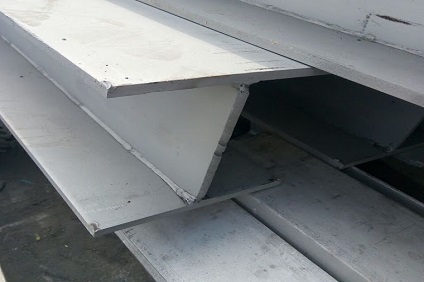
Choose the product form first, then confirm the required dimensions, finish, condition and standard. Lakshya’s 303 product pages provide a clearer path for buyers looking for a specific form.
What Is Stainless Steel 303?
Stainless Steel 303 is an austenitic stainless steel developed to provide improved machinability. Its sulfur addition helps break chips during cutting, which is especially useful in automatic screw-machine and CNC production. This makes 303 a practical choice for parts with repeated turning, drilling, tapping and threading operations.
The same sulfur that improves machining creates trade-offs. Compared with 304, 303 generally offers lower resistance to localized corrosion and poorer weldability. Grade selection should therefore be based on the actual service environment and fabrication route.
- Stainless Steel 303 Grade and Designation Guide
- Stainless Steel 303 Specifications by Product Form
- Chemical Composition of Stainless Steel 303
- Stainless Steel 303 Mechanical Properties
- Stainless Steel 303 Physical Properties
Stainless Steel 303 Grade and Designation Guide
| System | Designation |
| AISI / SAE | 303 |
| UNS | S30300 |
| EN material number | 1.4305 |
| EN chemical name | X8CrNiS18-9 |
| JIS | SUS 303 |
| BS | 303S31 |
| Swedish | 2346 |
Stainless Steel 303 Specifications by Product Form
| Product form | Buyer guidance |
| Rod / bar | State section, diameter or AF dimension, condition, tolerance and machining allowance where required. |
| Flanges / fittings | State material grade plus the applicable dimensional or pressure standard. |
| Machined components | Provide drawing, grade, dimensions, tolerances, surface finish and inspection requirements. |
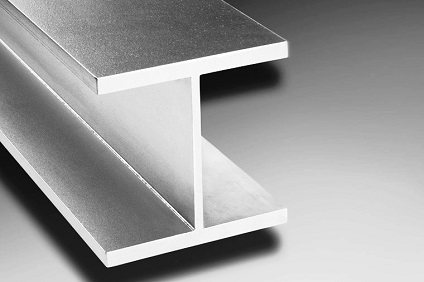
| Channels / H beam / I beam | Confirm exact section, dimensions, standard and availability before ordering. |
Chemical Composition of Stainless Steel 303
The table below reflects commonly specified UNS S30300 chemistry. Final acceptance should follow the applicable product standard and the heat-specific Mill Test Certificate.
| Element | Min / Max (%) |
| Carbon (C) | 0.15 max |
| Manganese (Mn) | 2.00 max |
| Silicon (Si) | 1.00 max |
| Phosphorus (P) | 0.20 max |
| Sulfur (S) | 0.15–0.35 |
| Chromium (Cr) | 17.00–19.00 |
| Nickel (Ni) | 8.00–10.00 |
| Molybdenum (Mo) | 0.60 max, where applicable |
| Iron (Fe) | Balance |
Stainless Steel 303 Mechanical Properties
Mechanical properties vary with product form, heat treatment and cold-work condition. Values should therefore be checked against the governing product standard rather than treated as universal values.
| Property | Reference / typical value |
| Tensile strength | Approx. 600–700 MPa typical for annealed material |
| Yield strength (0.2%) | Approx. 230 MPa typical |
| Elongation | Approx. 35–50% typical |
| Hardness | Typically around HB 160–190 for annealed material; standard limits depend on product specification |
Stainless Steel 303 Physical Properties
| Property | Typical value |
| Density | Approx. 7.9–8.0 g/cm³ |
| Elastic modulus | Approx. 193 GPa |
| Thermal conductivity | Approx. 16.3 W/m·K |
| Electrical resistivity | Approx. 0.72 µΩ·m |
| Coefficient of thermal expansion, 0–100°C | Approx. 17.2 µm/m·K |
| Specific heat, 0–100°C | Approx. 500 J/kg·K |
| Melting range | Approx. 1400–1455°C |
Why Choose Stainless Steel 303?
- Excellent machinability for turning, drilling, threading and repetitive CNC work.
- Good chip-breaking behavior compared with conventional austenitic stainless steels.
- Useful for high-volume precision components and automatic screw-machine operations.
- Suitable for parts where dimensional repeatability and a clean machined surface are important.
- Available in multiple product forms, subject to the required standard and current supply capability.
- Offers useful corrosion resistance for suitable mild environments, but should not be selected blindly for aggressive chloride service.
Stainless Steel 303 Machining
Machining is the main reason engineers choose 303. Sulfur-containing inclusions help break chips and reduce the difficulty of chip control during repetitive cutting operations. This can make the grade attractive for CNC turning, drilling, tapping and threading, particularly where production cycle time and tool management matter.
- Use a rigid setup and control vibration.
- Keep cutting edges sharp and avoid prolonged tool rubbing.
- Use suitable coolant or lubrication for the operation.
- Choose tooling geometry and chip control for the actual machine and component.
- Maintain a consistent feed and avoid unnecessary dwell.
Stainless Steel 303 Corrosion Resistance
Stainless Steel 303 provides useful corrosion resistance in many mild environments, but its performance is generally below 304 and 316 in aggressive or chloride-containing service. The sulfide inclusions that improve machinability can also provide sites for localized corrosion.
For marine, seawater or demanding chloride applications, review a more corrosion-resistant grade such as Stainless Steel 316 before finalizing the material.
Stainless Steel 303 Welding
303 is less suitable for welding than 304/304L. The sulfur addition that improves machinability can reduce weld quality and increase the risk of problems in welded fabrication. Where extensive welding is part of the manufacturing route, 304/304L or another weld-oriented grade should be evaluated against the project specification.
Stainless Steel 303 vs 304
| Selection factor | Stainless Steel 303 | Stainless Steel 304 |
| Machinability | Excellent for machining-focused work | Lower; greater work-hardening tendency |
| Corrosion resistance | Good for suitable mild environments | Generally better for general-purpose corrosion service |
| Weldability | Poorer; not preferred for extensive welding | Good and widely used for welded fabrication |
| Forming | Less favorable | Good formability |
| Typical use | Precision-machined parts, fasteners, shafts, fittings | General fabrication, equipment, welded components |
| Best choice when | Machining productivity is the priority | Welding, forming or broader corrosion resistance is the priority |
Stainless Steel 304 Products For a broader grade comparison, buyers can also review Lakshya’s and Stainless Steel 316 Products pages.
Stainless Steel 303 Applications
| Application | Why 303 is considered |
| Screws, nuts and bolts | Machinability supports repeated threading and turning. |
| Shafts and pins | Suitable for precision-turned parts in compatible environments. |
| Bushings | Useful for machined cylindrical components. |
| Valve components | Can be considered for machined components where service conditions are suitable. |
| Automotive components | Useful for repetitive machining of precision parts. |
| Electrical components | Suitable for machined connectors and other engineering parts. |
| General engineering | Useful where machining productivity is a major consideration. |
How to Select the Right Stainless Steel 303 Product
For a quotation, provide:
- Product form and grade designation.
- Diameter, section size, wall thickness or component dimensions.
- Length or cut-to-size requirement.
- Quantity.
- Finish and material condition.
- Applicable ASTM, ASME, EN, DIN, JIS or project standard.
- Tolerance and machining allowance where required.
- Inspection, testing and certification requirements.
- Delivery location and required schedule.
Stainless Steel 303 Price
SS 303 pricing varies with product form, dimensions, quantity, finish, tolerance, manufacturing route, testing requirements and current stainless steel market conditions. A reliable quotation should therefore be based on the actual grade and product specification rather than a generic price-per-kg figure.
Request a Stainless
Steel 303 Quote
Share your grade, product form, dimensions, quantity and applicable standard. A complete specification helps our team match the requirement to the right product page and prepare a project-specific quotation.
Frequently Asked Questions About Stainless Steel 303
Request A Quote
