
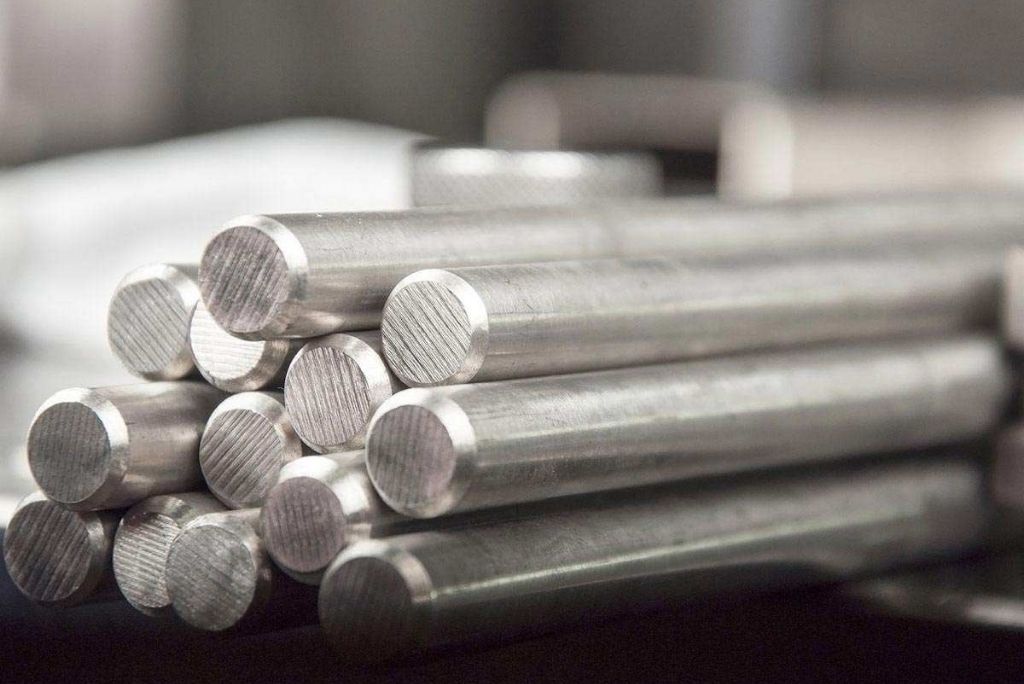
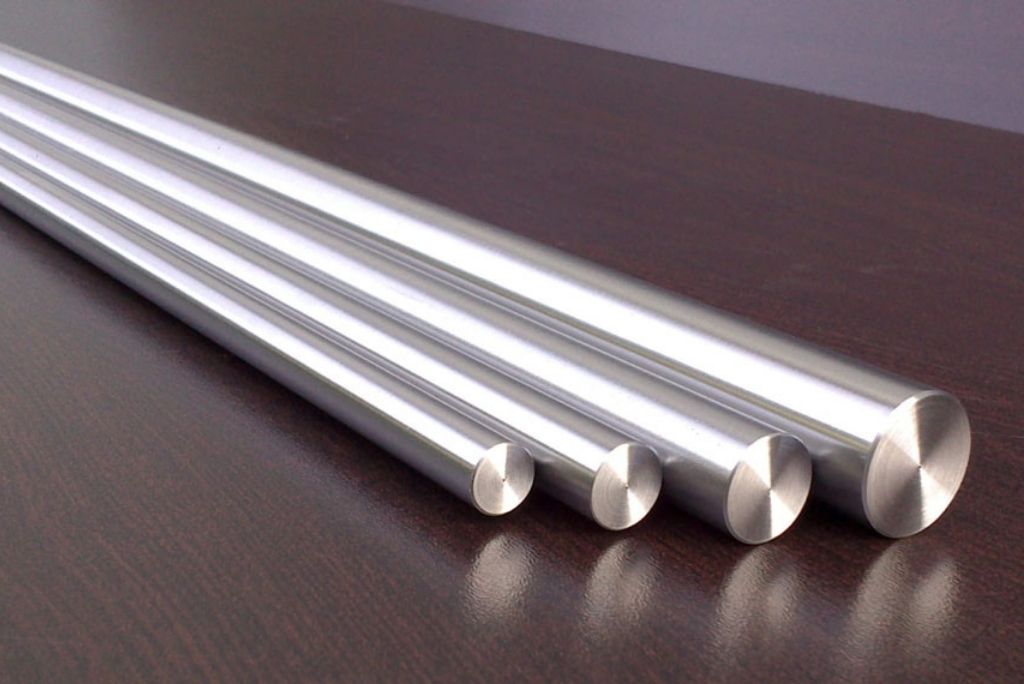
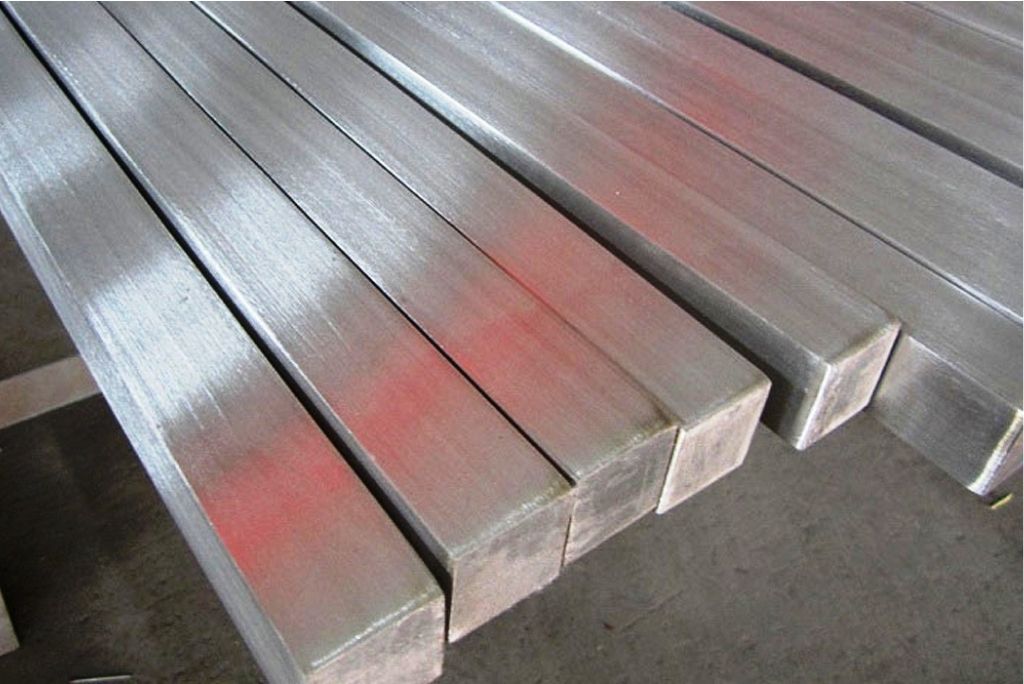
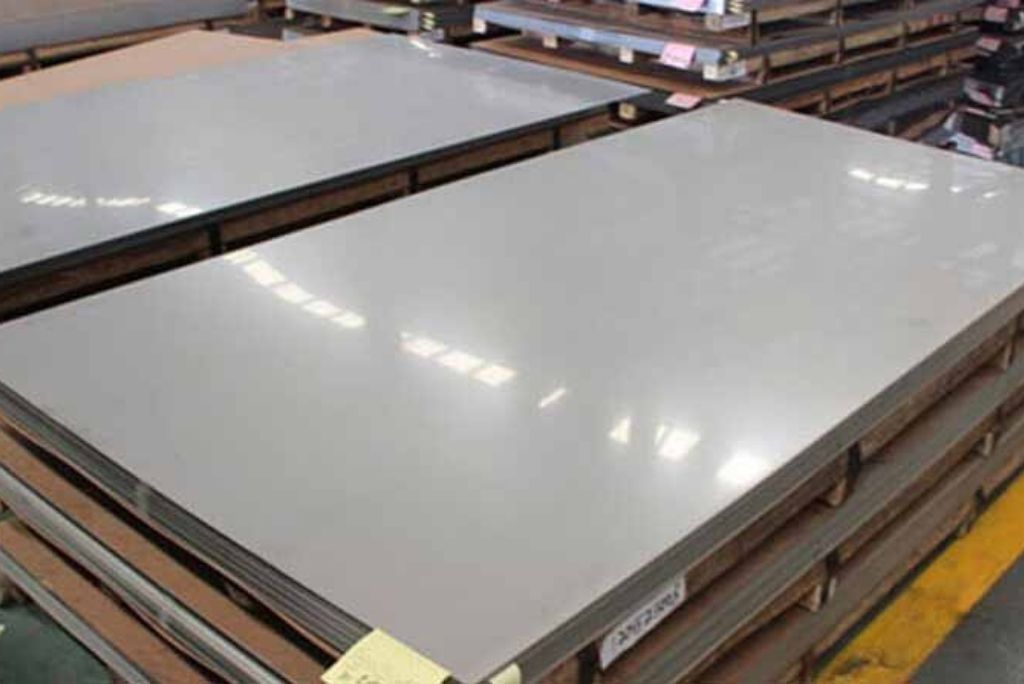
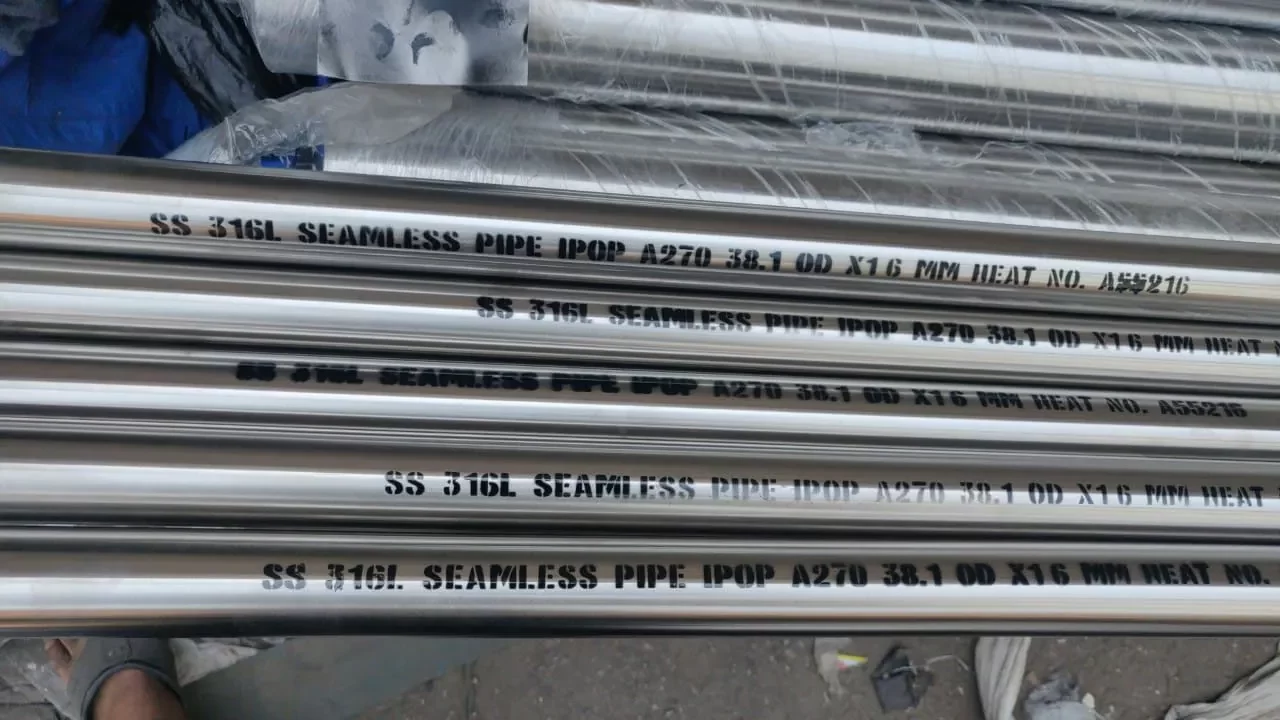
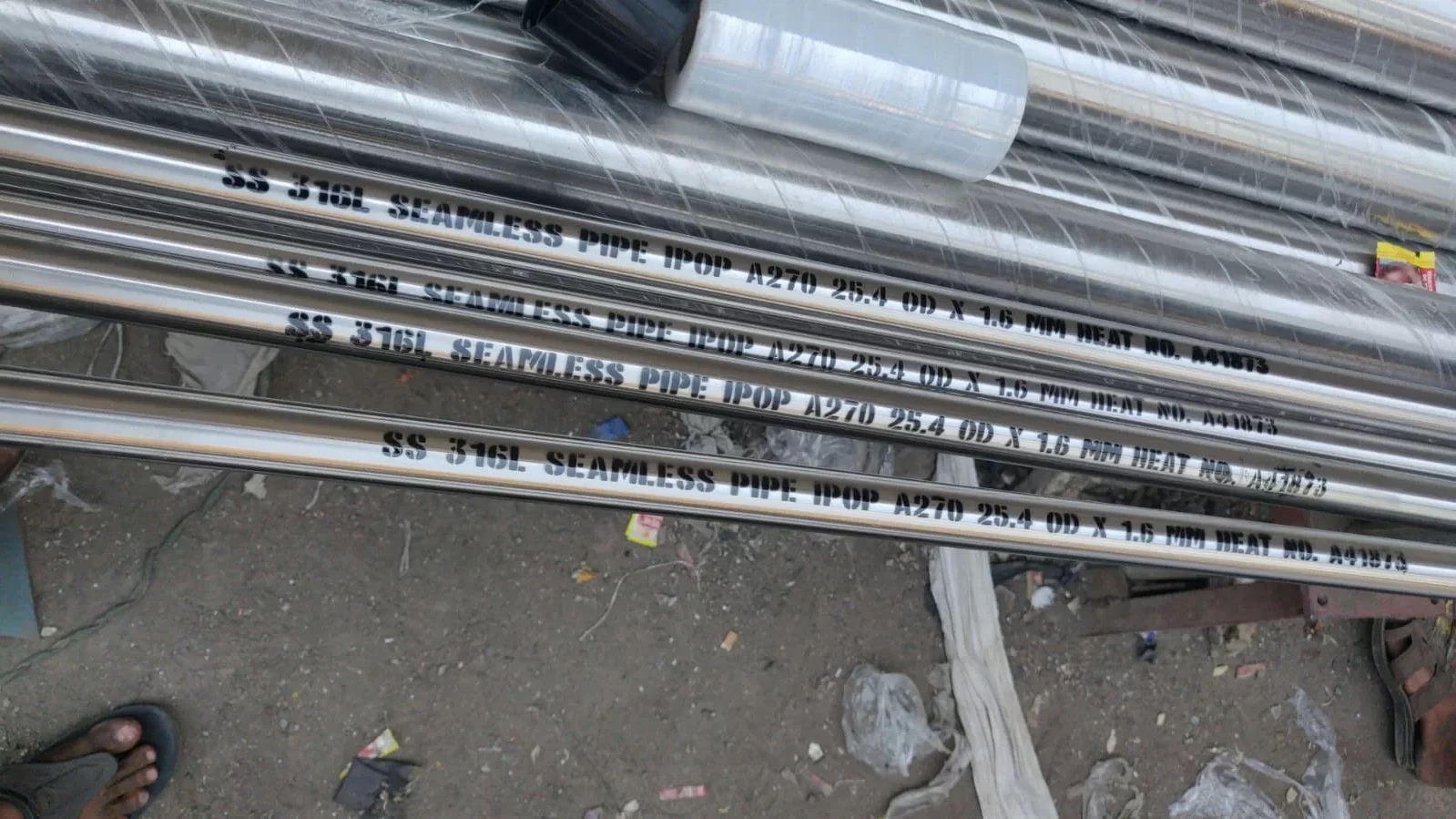
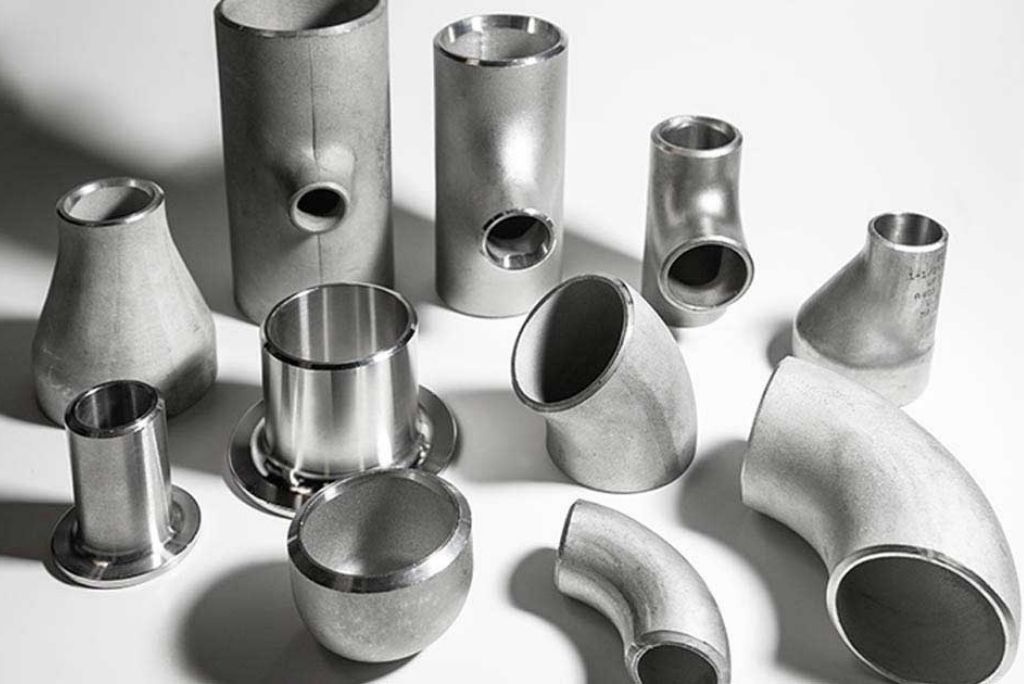
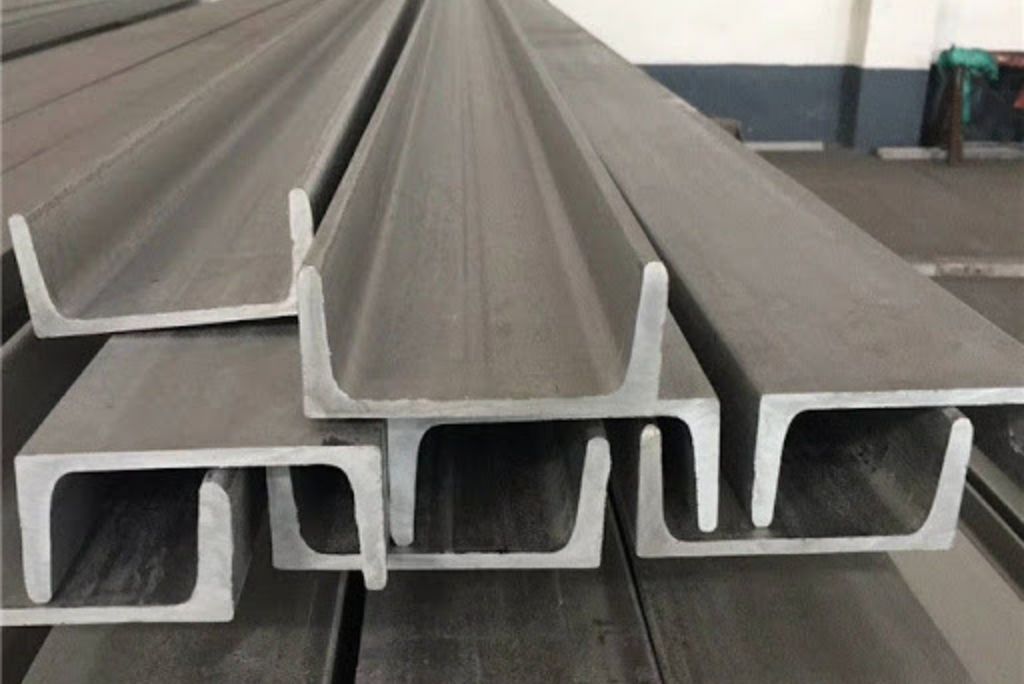
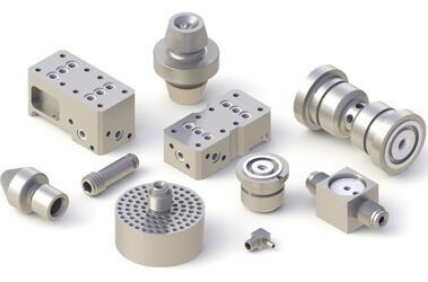
When a furnace part, burner assembly or heat-treatment fixture must stay stable at elevated temperature, the alloy choice cannot be based on corrosion resistance alone. Lakshya Steel supplies stainless steel 310 products in grades 310 and 310S for equipment exposed to heat, oxidation and thermal cycling. The range includes bars, pipes, tubes, plates, sheets, fittings, channels, beams and engineered components for furnace, petrochemical, cement, power and process-industry requirements.
Grade 310 has a higher permitted carbon level, while 310S uses lower carbon to reduce carbide precipitation in welded fabrications. The correct purchase specification depends on product form, operating atmosphere, temperature cycle, dimensions, condition and testing. Buyers can review the linked products below or send the complete specification through the request-a-quote form for a project-based offer.
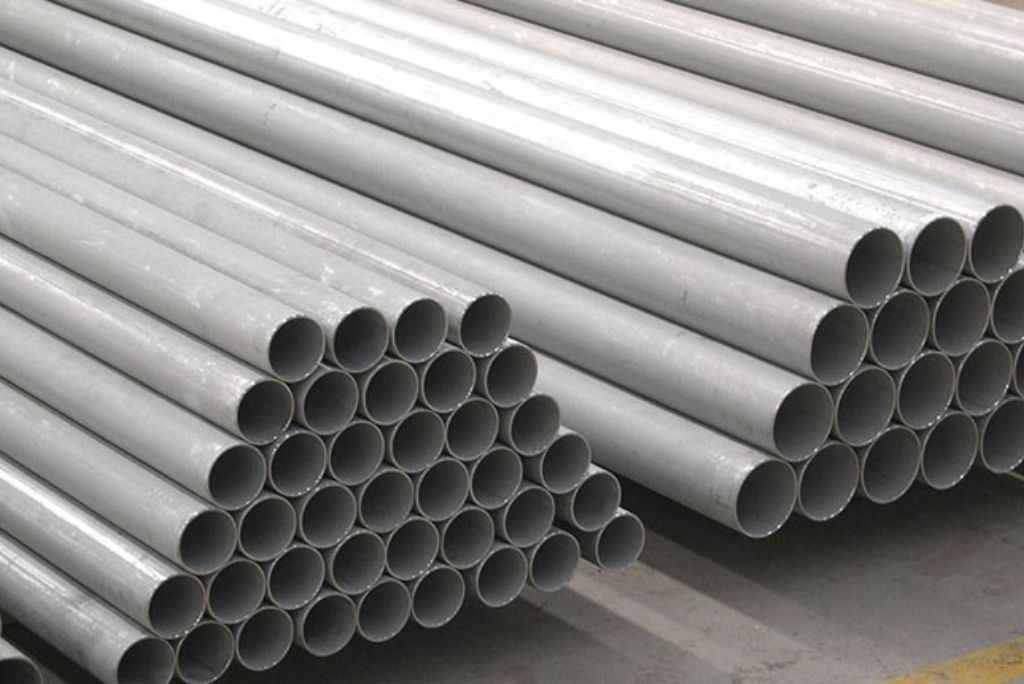
Stainless Steel 310 Products Available
310 vs 310S Grade Selection
|
Selection Point |
310 |
310S |
Buyer Note |
|
UNS / EN |
S31000 / 1.4841 |
S31008 / 1.4845 |
Confirm the exact grade on the MTC. |
|
Carbon |
0.25% max |
0.08% max |
Lower carbon is often preferred for welded fabrication. |
|
Chromium |
24.0-26.0% |
24.0-26.0% |
Supports oxidation resistance. |
|
Nickel |
19.0-22.0% |
19.0-22.0% |
Supports austenitic structure and high-temperature stability. |
|
Typical choice |
Higher carbon permitted where welding sensitivity is controlled |
Welded parts and general high-temperature fabrication |
Operating atmosphere and temperature cycle remain decisive. |
Common Standards by Product Form
|
Product Form |
Common Reference |
RFQ Detail |
|
Plate, sheet and strip |
ASTM A240 / ASME SA240 |
Thickness, width, length, finish and grade |
|
Bars and sections |
ASTM A276 / A479 |
Section size, condition, tolerance and length |
|
Seamless and welded pipe |
ASTM A312 and project specification |
NPS, schedule, length and test requirement |
|
Boiler and heat-exchanger tube |
ASTM A213 / A249, as applicable |
OD, wall, length and service |
|
Forged flanges |
ASTM A182 |
Type, size, class and facing |
|
Butt-weld fittings |
ASTM A403 |
Type, schedule and dimensional standard |
Industries We Serve
- Heat treatment and furnaces: Retorts, baskets, fixtures, radiant tubes and baffles Oxidation resistance and strength at elevated temperature
- Petrochemical and refinery: Burner parts, furnace internals and high-temperature piping Performance in compatible hot process atmospheres
- Cement and minerals: Kiln parts, burner systems and heat shields Resistance to scaling and thermal exposure
- Power and waste-to-energy: Boiler parts, combustion equipment and supports Heat and oxidation resistance
- Chemical processing: Hot process equipment and thermal treatment parts Grade selection based on atmosphere and condensate risk
Testing and Documentation
The quotation should define the required material test certificate, grade confirmation, dimensions, surface condition, mechanical tests and any non-destructive examination. Elevated-temperature suitability must be checked against the design code, operating atmosphere, loading and temperature cycle rather than one website temperature figure.
