
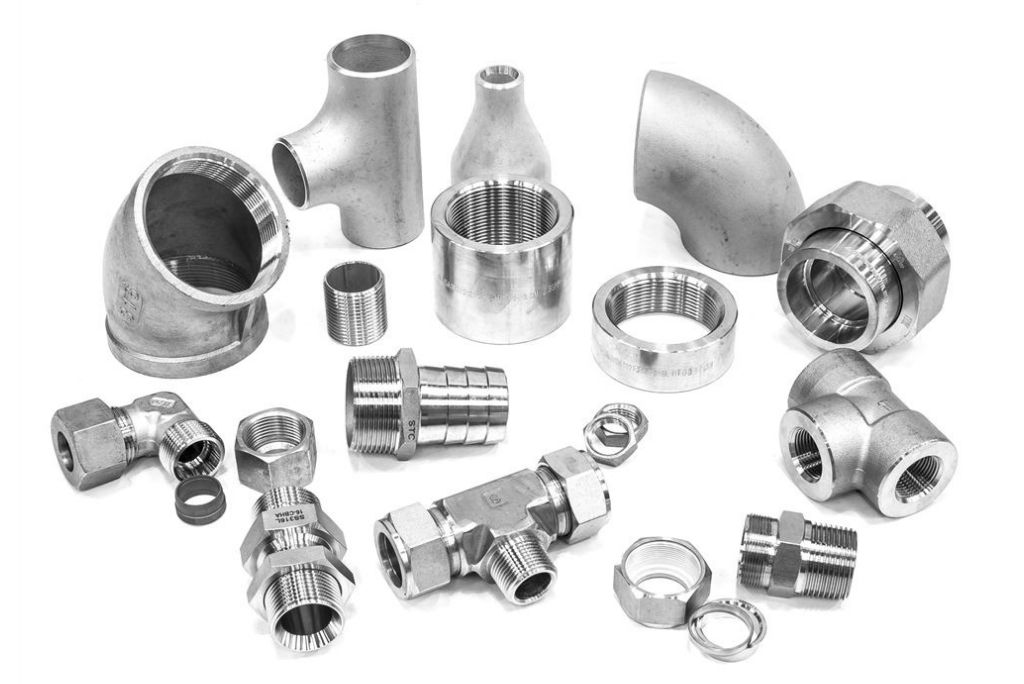
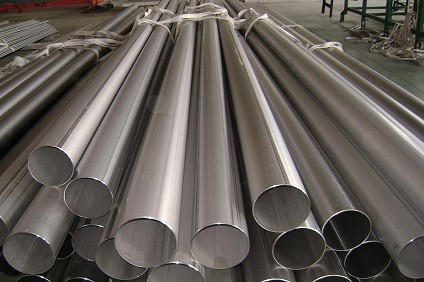
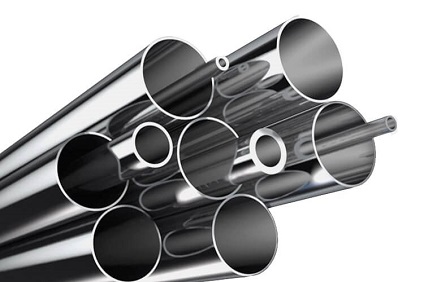
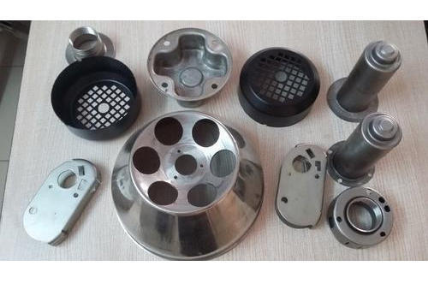
Stainless steel 321 and 347 are chosen when a welded component must retain resistance to intergranular corrosion after exposure to elevated temperature. Lakshya Steel supplies stainless steel 321 and 347 products in bars, pipes, tubes, plates, sheets, flanges, fittings, channels, beams and engineered components for heat exchangers, exhaust systems, furnace parts, chemical equipment and aerospace assemblies.
Grade 321 is stabilized with titanium, while 347 uses niobium. Both are related to the 18Cr-8Ni austenitic family, but product availability, welding practice, high-temperature duty and project specification may favour one grade. Buyers can compare the products below and submit the grade, standard, dimensions, quantity and testing requirements through the request-a-quote form.
Stainless Steel 321 and 347 Products Available
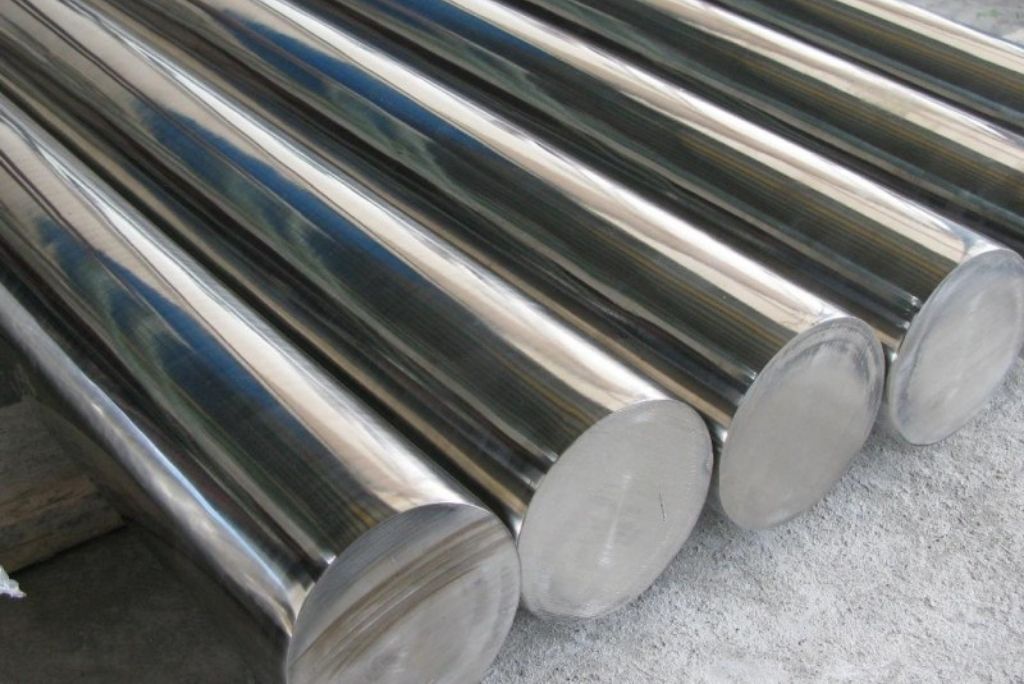
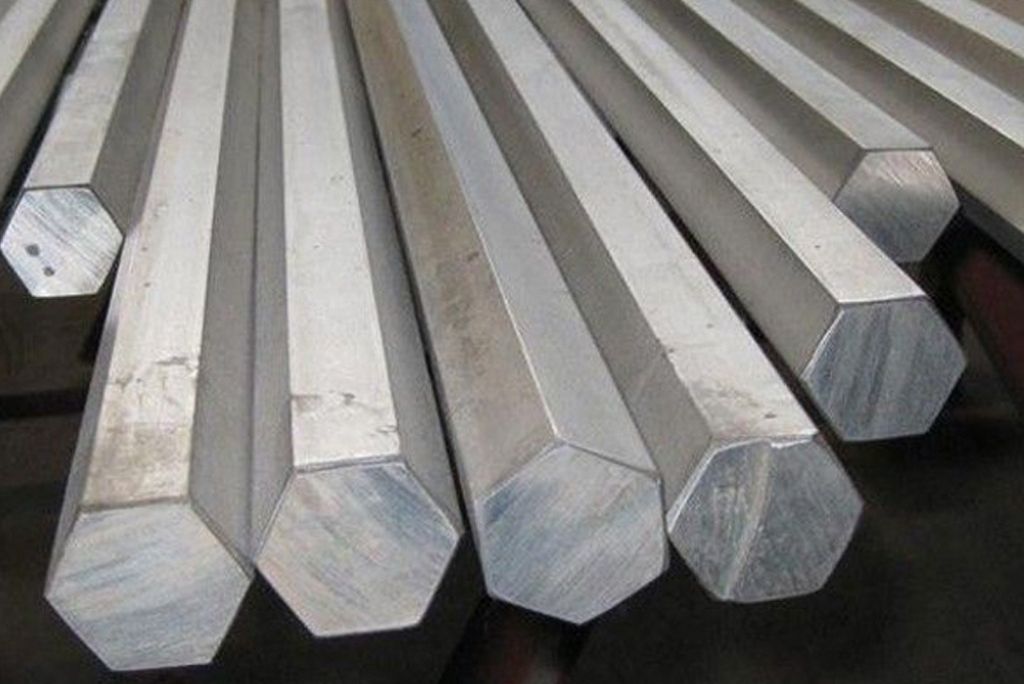
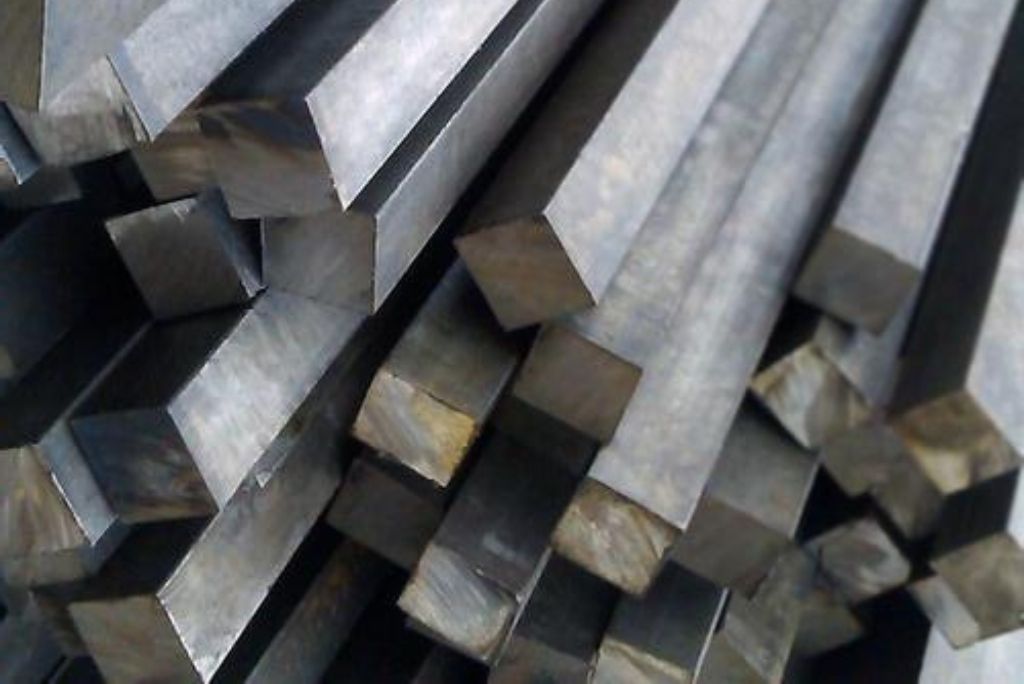
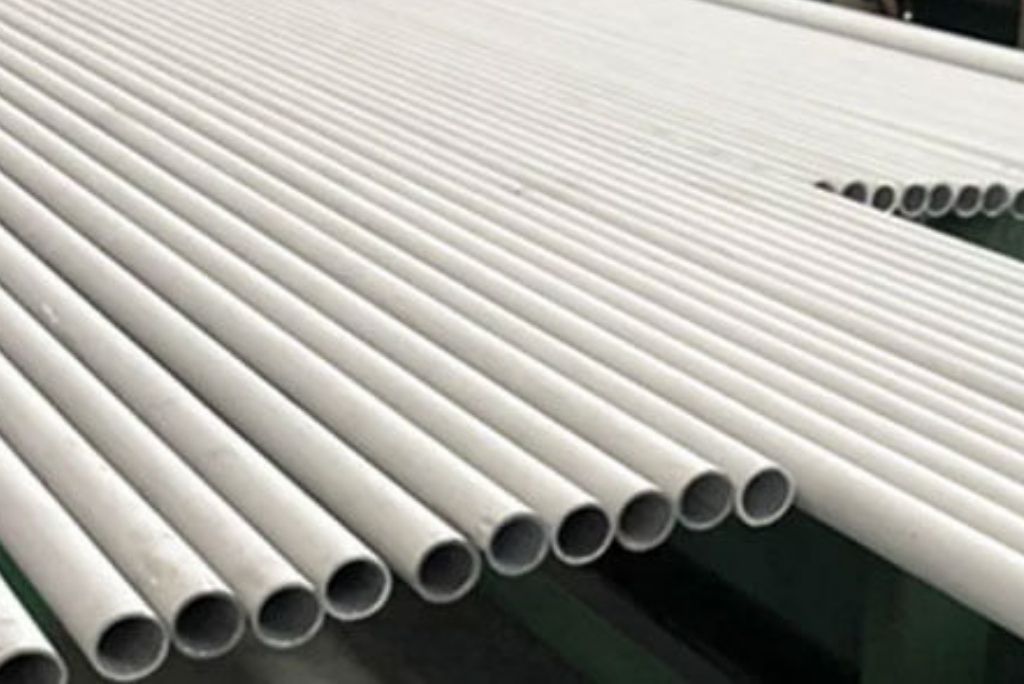
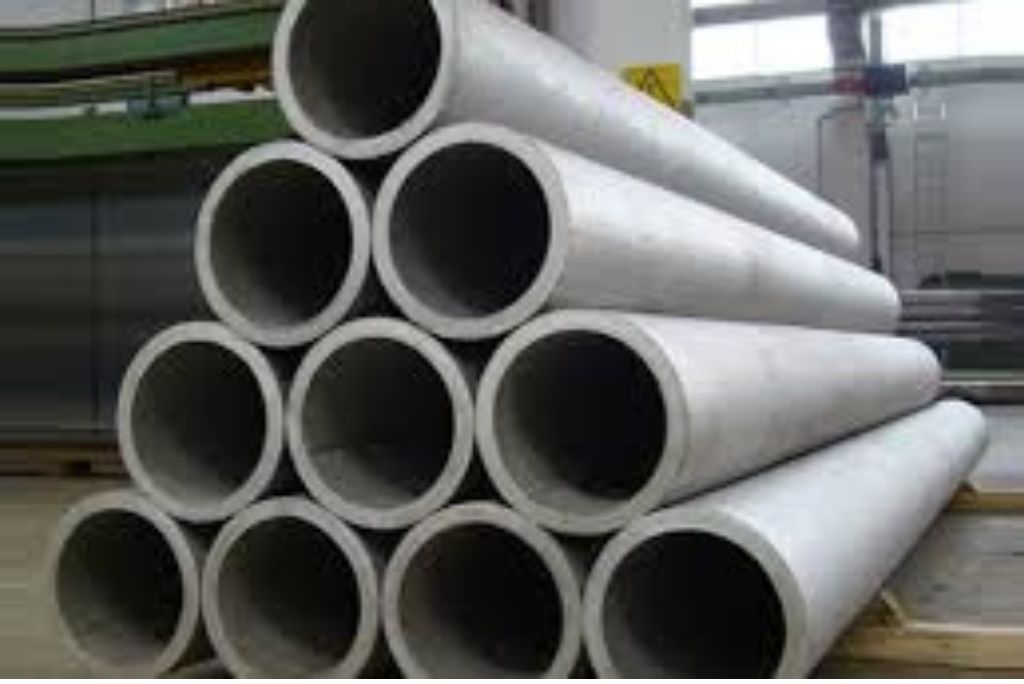
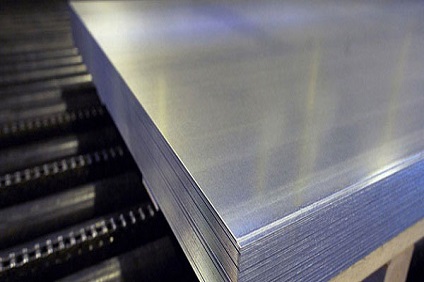
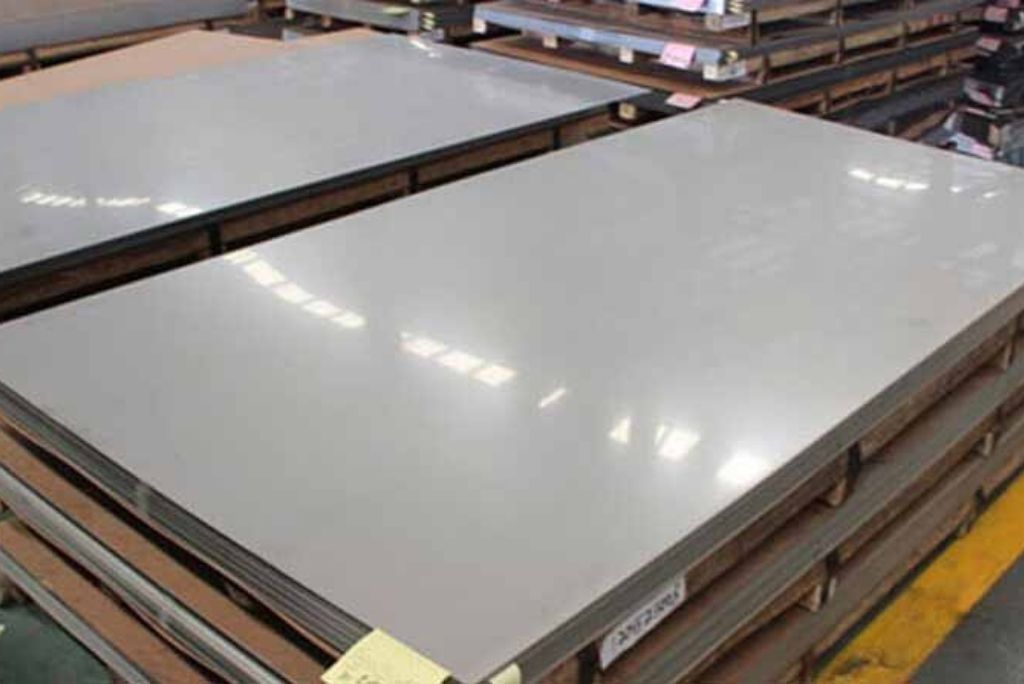
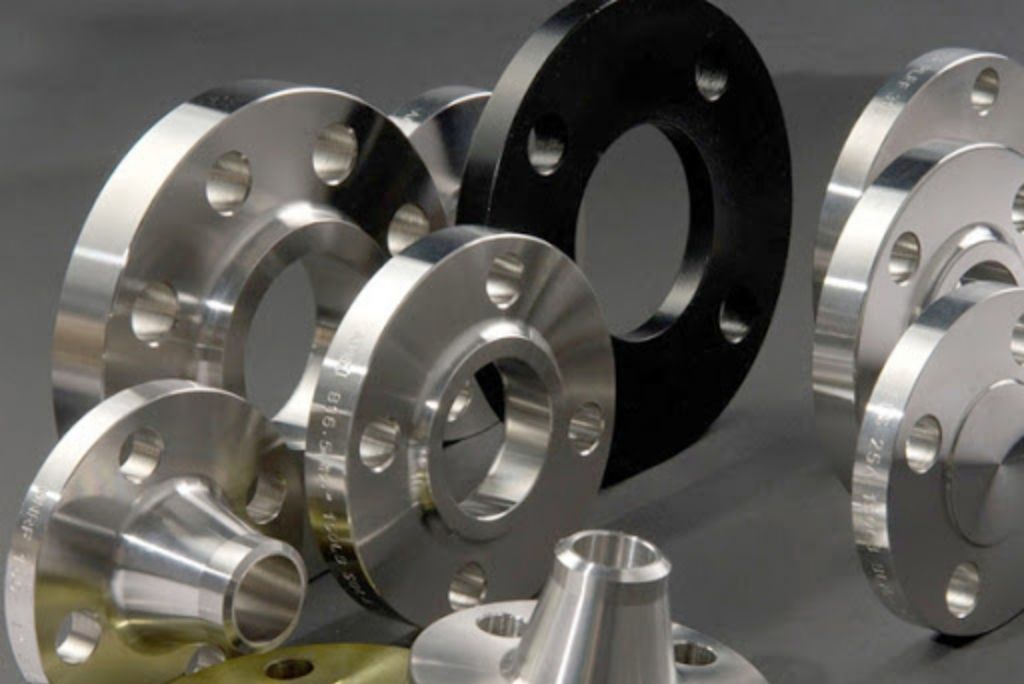
321 vs 347 Grade Selection
|
Selection Point |
321 |
347 |
Buyer Note |
|
UNS / EN |
S32100 / 1.4541 |
S34700 / 1.4550 |
Confirm the exact grade and product form. |
|
Stabilizing element |
Titanium |
Niobium plus tantalum |
Both limit chromium-carbide sensitization. |
|
Typical reason to choose |
Common stabilized grade with broad fabrication use |
Niobium-stabilized option, often selected for particular high-temperature and welding requirements |
Use the project specification and service history. |
|
Welding filler |
Often matched with 347-type filler metal |
347-type filler metal |
Procedure qualification remains necessary. |
|
Availability |
Common in several forms |
May be more specialised by form |
Check availability before finalising design. |
Key Composition Limits
|
Element |
321 |
347 |
|
Carbon |
0.08% max |
0.08% max |
|
Chromium |
17.0-19.0% |
17.0-19.0% |
|
Nickel |
9.0-12.0% |
9.0-13.0% |
|
Nitrogen |
0.10% max |
0.10% max |
|
Stabilizer |
Ti: 5 x (C+N) min to 0.70% max |
Nb+Ta: 10 x C min to 1.00% max |
Common Standards by Product Form
|
Product Form |
Common Reference |
RFQ Detail |
|
Plate and sheet |
ASTM A240 / ASME SA240 |
Grade, thickness, finish and dimensions |
|
Bars and shapes |
ASTM A276 / A479 |
Grade, section, condition and tolerance |
|
Seamless and welded pipe |
ASTM A312 |
NPS, schedule, length and testing |
|
Heat-exchanger tube |
ASTM A213 / A249, as applicable |
OD, wall, length and service |
|
Forged flanges |
ASTM A182 |
Type, class, facing and dimensions |
|
Butt-weld fittings |
ASTM A403 |
Type, schedule and dimensional standard |
Industries We Serve
- Aerospace and exhaust: Manifolds, collector rings, ducting and hot sections Stabilized structure after welding and heat exposure
- Heat treatment and furnaces: Fixtures, supports, tubes and fabricated parts Resistance to sensitization in elevated-temperature cycles
- Chemical processing: Heat exchangers, piping parts and reactors Welded corrosion performance in compatible media
- Power generation: Expansion joints, boiler parts and high-temperature piping Mechanical and corrosion performance at elevated temperature
- Refinery and petrochemical: Heater parts, piping and process components Material stability during heat exposure
