
When 316L does not provide enough resistance to chemical attack or chloride pitting, 317L can offer a practical step up without moving immediately to a super-austenitic alloy. Lakshya Steel supplies stainless steel 317L products in flanges, bars, sheets, plates, fittings, structural sections and engineered components for chemical processing, pollution control, pulp and paper, marine and process-equipment requirements.
The grade is identified as UNS S31703 and EN 1.4438. Its low carbon content supports welded fabrication, while the higher molybdenum content improves resistance to pitting and crevice corrosion compared with 316L in many compatible environments. Buyers should specify the product form, dimensions, condition, testing and process medium through the request-a-quote form so the offer can be checked against the correct standard.
Stainless Steel 317L Products Available
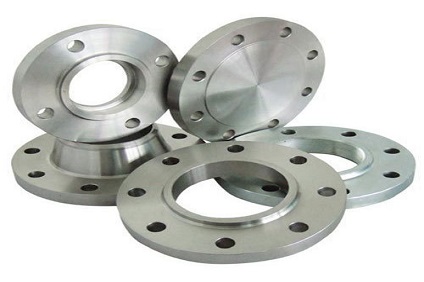
Stainless Steel 317L Flanges
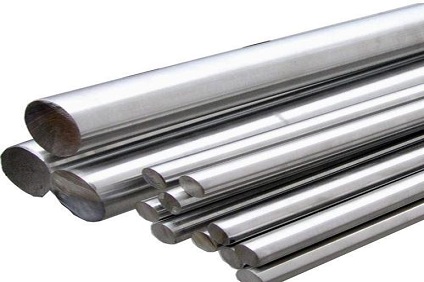
Stainless Steel 317L Rod/Bar
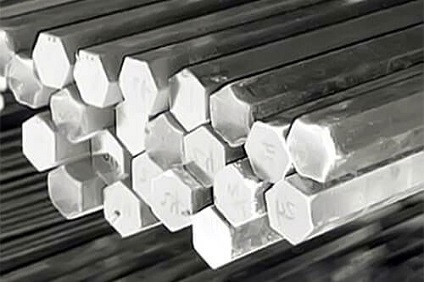
Stainless Steel 317L Hex Bar
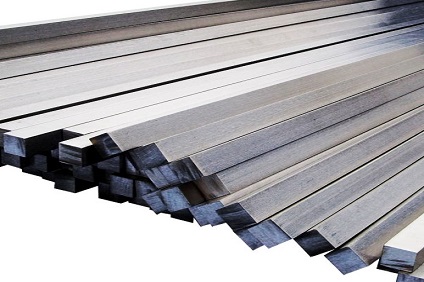
Stainless steel 317L Square Bar
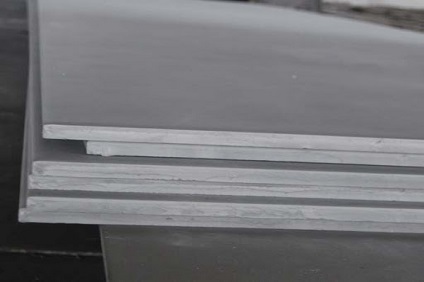
Stainless Steel 317L Plates/Sheet
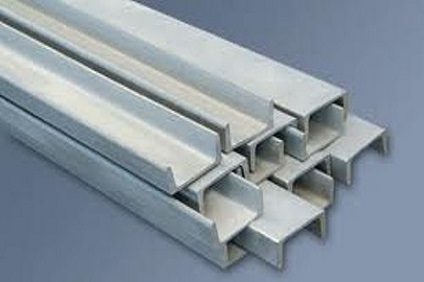
Stainless steel 317L channels
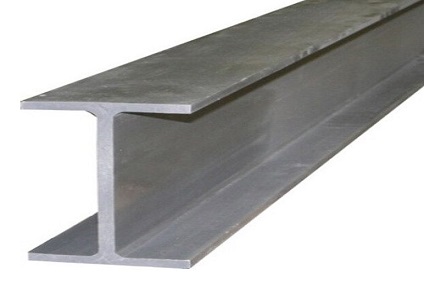
Stainless steel 317L H Beam
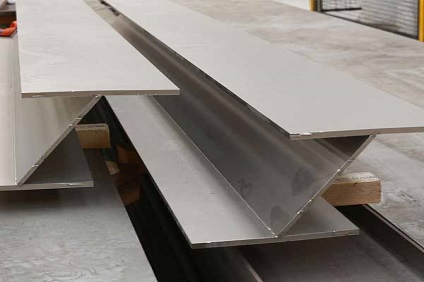
Stainless steel 317L I Beam
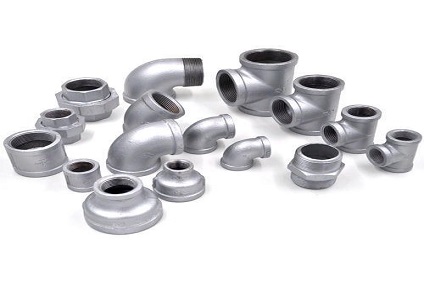
Stainless steel 317L fittings
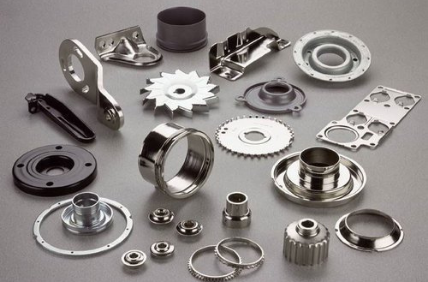
Stainless Steel 317L Components
317L Grade Identification and Composition
|
Item |
317L Requirement / Reference |
Buyer Note |
|
UNS |
S31703 |
Do not use S31700 for the low-carbon grade. |
|
EN / Werkstoff |
1.4438 |
Confirm the specification named on the purchase order. |
|
Carbon |
0.030% max |
Supports welded fabrication and reduced sensitization risk. |
|
Chromium |
18.0-20.0% |
Higher than conventional 316L ranges. |
|
Nickel |
11.0-15.0% |
Supports the austenitic structure. |
|
Molybdenum |
3.0-4.0% |
Improves resistance to pitting and crevice corrosion. |
317L vs 316L Selection Guide
|
Selection Point |
316L |
317L |
Choose 317L When |
|
Molybdenum |
Typically 2.0-3.0% |
Typically 3.0-4.0% |
The environment needs a higher margin against pitting or chemical attack. |
|
Availability |
Broadly available |
More specialised |
The project specification names 317L or corrosion testing supports it. |
|
Typical use |
General chemical, food, marine and process equipment |
Chemical, pulp and paper, pollution-control and severe process equipment |
316L performance is marginal for the service. |
|
Cost and sourcing |
Usually easier to source |
Can require project planning |
The technical benefit justifies the procurement difference. |
Common Standards by Product Form
|
Product Form |
Common Reference |
RFQ Detail |
|
Plate, sheet and strip |
ASTM A240 / ASME SA240 |
Thickness, finish, condition and dimensions |
|
Bars and shapes |
ASTM A276 / A479 |
Section, condition, tolerance and length |
|
Forged flanges |
ASTM A182 |
Type, class, facing and dimensions |
|
Butt-weld fittings |
ASTM A403 |
Type, schedule and dimensional standard |
|
Structural sections |
Project or applicable dimensional standard |
Section size, length and tolerance |
|
Machined components |
Drawing and material standard |
Dimensions, finish, tolerance and inspection |
Industries We Serve
- Chemical processing: Tanks, reactors, scrubbers, piping parts and heat exchangers Higher molybdenum content for compatible corrosive media
- Pollution control: FGD equipment, ducts, liners and scrubber parts Resistance to chloride-bearing condensates after material review
- Pulp and paper: Bleaching and process equipment Resistance to selected process chemicals
- Marine and coastal: Hardware, process parts and supports Improved pitting resistance compared with lower-alloy austenitic grades
- Food and pharmaceutical: Process equipment where the project specifies 317L Low-carbon weldability and corrosion performance
Testing and Documentation
The RFQ should state the required material test certificate, PMI, mechanical testing, intergranular-corrosion testing, dimensional inspection and any third-party inspection. Compatibility with a chemical or chloride service must be checked against concentration, temperature, contaminants, fabrication and cleaning conditions.
Frequently Asked Questions:
What is stainless steel 317L?
What is the difference between 317L and 316L?
Which standards apply to SS 317L products?
Can 317L be welded?
Where are stainless steel 317L products commonly used?
Can SS 317L be welded?
Yes, SS 317L can be easily welded, and its low carbon content helps reduce weld corrosion.
