
Carbon Steel Products Supplier in India
Carbon steel pipes, plates, flanges, fittings, fasteners and structural grades for pressure, fabrication and engineering requirements.
Carbon steel is utilized in almost all the major engineering industries, including pipelines, structural fabrications, machinery, pressure equipment and general industrial components. But buyers don’t usually choose carbon steel just by the name of the steel. The proper selection is determined by the application, the load to be carried, operating pressure & temperature, and the need for welding, forming, or heat treatment.
Lakshya Steel is a supplier of carbon steel pipes, plates, sheets, bars, flanges, fittings, fasteners and structural steel for industrial and project needs. The products come in various grades and specifications to meet the requirements of oil and gas, power plants, construction, infrastructure, process industries and engineering workshops.
Low-carbon grades are frequently used for fabrication applications since they are easier to form and weld. Medium-carbon steel is commonly used for shafts, gears, pins and other machined parts where additional strength or heat treatment may be required. High carbon grades are used for parts requiring higher hardness and wear resistance. Due to the different characteristics of each grade, selection of the material always takes the standard and real service conditions into account.
Buyers can explore the product and grade pages below to compare available carbon steel options. For an accurate quotation, share the required grade, size, thickness or schedule, quantity, testing requirements and delivery location with the Lakshya Steel team.
Carbon Steel Products Lists
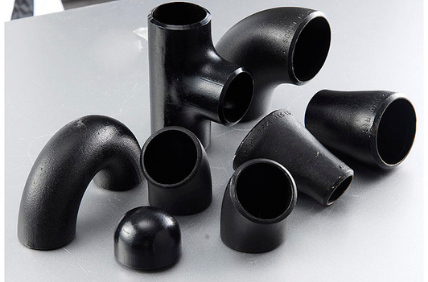
Carbon Steel Fittings
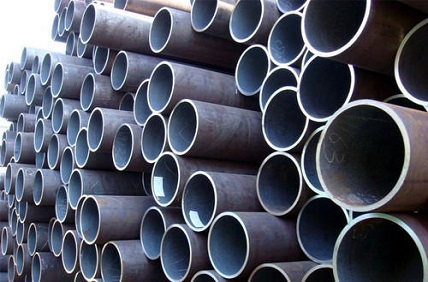
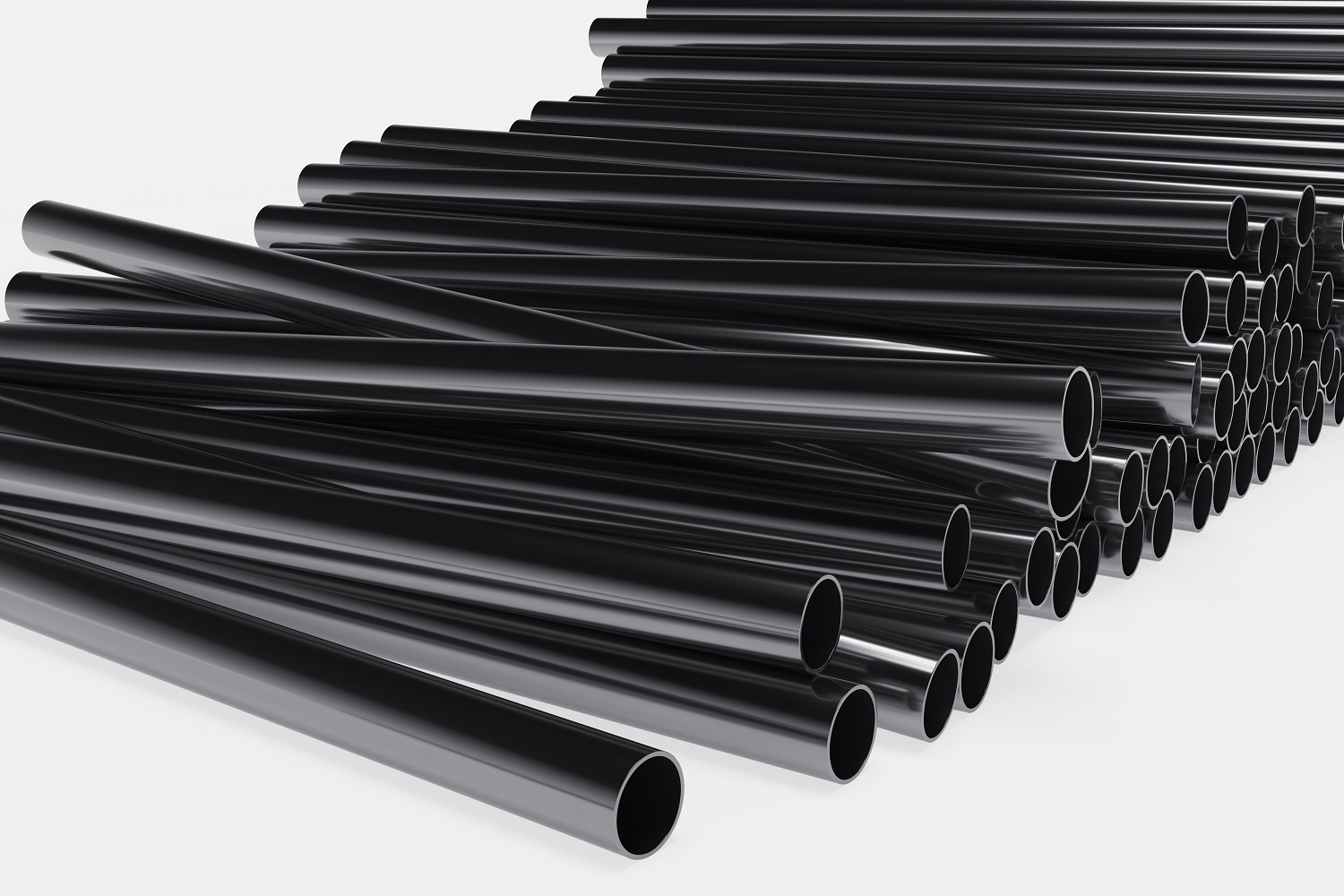
Carbon Steel Pipes
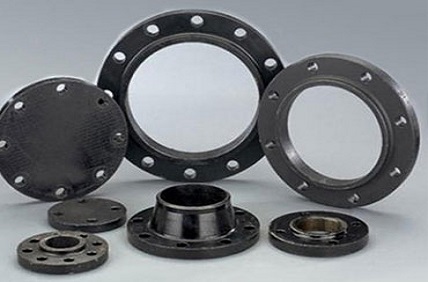
Carbon Steel Flanges
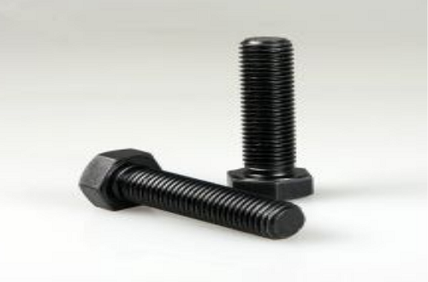
Carbon Steel Fastener
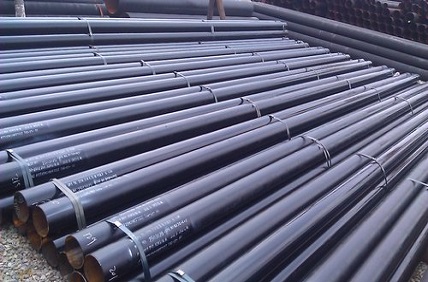
Carbon Steel Line Pipes
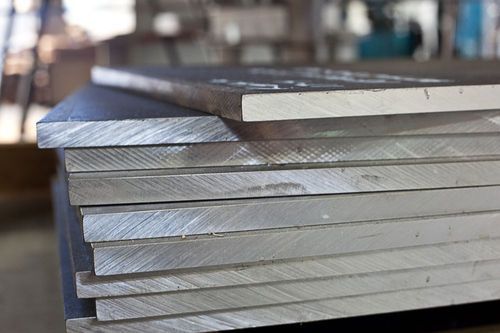
Carbon Steel ASTM A36
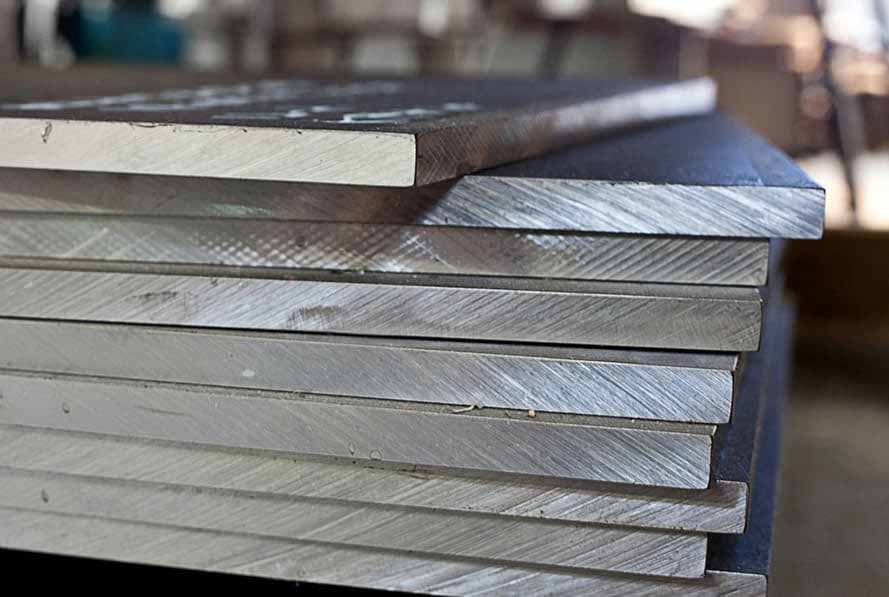
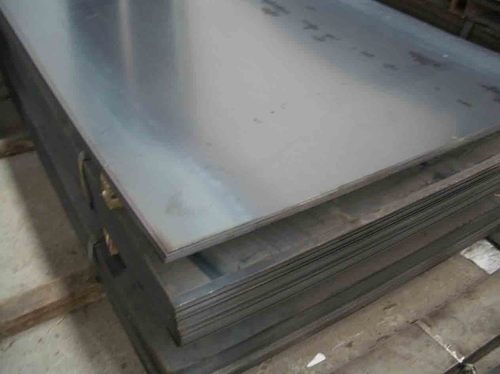
E350C Hot Rolled Steel Plates
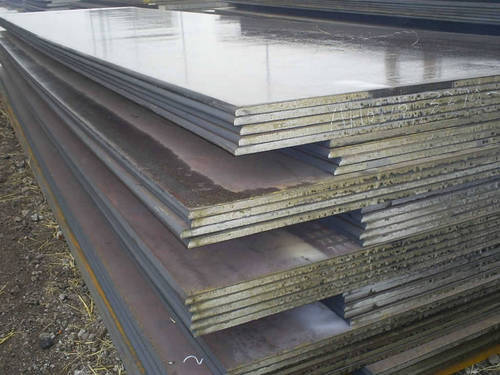
E250BR Sheets and Plates
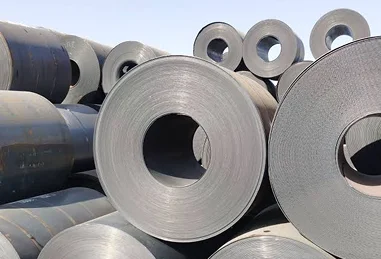
ASTM A1018 Steel Sheet
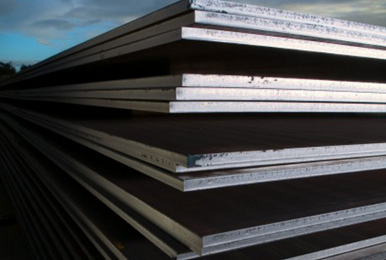
S235JR Carbon Steel Plate
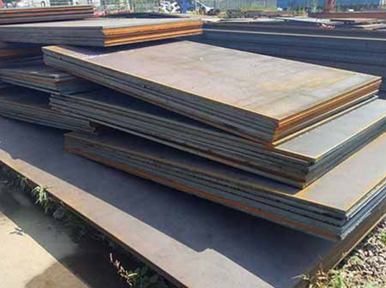
S355JR Plate
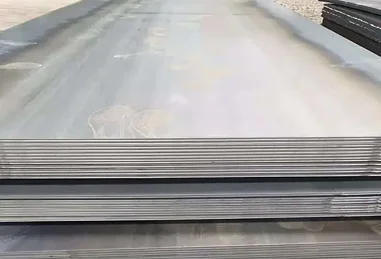
ASTM A1020 Steel Sheet
Carbon Steel Product Range
|
Product / Grade |
Buyer Use |
|---|---|
|
A53, A106, A333 and API 5L routes for pressure, process and line-pipe requirements. |
|
|
Structural, pressure-vessel and engineering flat products. |
|
|
Forged piping connections in project-specific grade and class. |
|
|
Butt-weld and forged connections selected by grade, schedule and service. |
|
|
Bolting and nuts for pressure, structural and mechanical assemblies. |
|
|
General structural plate and section requirements. |
|
|
Engineering steel for shafts, pins and machined components. |
|
|
Medium-carbon engineering grade for selected mechanical parts. |
Material and Grade Selection Guide
|
Option |
Reference / Composition Basis |
Choose It When |
Selection Caution |
|---|---|---|---|
|
Low-carbon / mild steel |
Generally below about 0.25% carbon |
Forming, welding and structural fabrication |
Do not treat every structural grade as interchangeable. |
|
Medium-carbon steel |
Approximately 0.25% to 0.60% carbon |
Shafts, gears, axles and machined parts after suitable processing |
Properties depend strongly on heat treatment and section size. |
|
High-carbon steel |
Generally above about 0.60% carbon |
Springs, wire, wear and cutting applications |
Lower weldability and ductility require process review. |
|
Pressure and piping grades |
ASTM/ASME and API grade-specific chemistry and properties |
Pipelines, steam, process and low-temperature service |
Select by design code, temperature, pressure and toughness. |
|
Structural plate grades |
ASTM, EN and IS structural specifications |
Frames, equipment, bridges and fabrication |
Strength class and impact requirement must match the design. |
Standards by Product Form
|
Product Form |
Common Reference |
What to State in the Enquiry |
|---|---|---|
|
Pipe |
ASTM A53, A106, A333; API 5L |
NPS, schedule, seamless/welded, ends and test requirement |
|
Plate and sheet |
ASTM A36, A516; EN 10025; project specifications |
Grade, thickness, width, length, condition and impact requirement |
|
Forged flanges |
ASTM A105, A350, A694 |
Size, class, facing and service temperature |
|
Butt-weld fittings |
ASTM A234, A420, A860 |
Grade, schedule, type and dimensional standard |
|
Bolting and nuts |
ASTM A193, A194, A320 |
Grade, diameter, coating and design code |
|
Bars |
ASTM A29 and grade-specific standards |
Diameter, condition, tolerance and heat treatment |
How to Select the Right Product Form
- Use pipe and tube pages when the enquiry is controlled by OD or NPS, wall thickness, schedule, construction method and pressure or heat-transfer service.
- Use plate and sheet pages when thickness, width, length, finish, forming and fabrication are the main buying variables.
- Use bar pages when diameter or section, condition, tolerance, machining and heat treatment control the requirement.
- Use flange and fitting pages when the design is controlled by size, pressure class, facing, schedule, joint type and piping code.
- Use component pages for drawing-based parts with defined tolerances, inspection and end-use information.
Industries We Serve
- Oil and gas: Process piping, line pipe, flanges, fittings and bolting selected for pressure, temperature and fluid service.
- Power and boilers: Pipe, tube, plates and forged components specified to pressure and temperature requirements.
- Construction and infrastructure: Structural plates, sections and fasteners for frames, bridges and fabricated assemblies.
- Machinery and automotive: Bars and engineering grades for shafts, gears, axles and machined parts.
- Chemical and process plants: Piping and equipment components where corrosion allowance, coating and service temperature are defined.
Testing and Documentation
Testing and documentation should be agreed before quotation. Depending on the product standard and project, the requirement may include a mill test certificate, heat-number traceability, chemical and mechanical test results, dimensional inspection, positive material identification, non-destructive examination, pressure testing, impact testing, surface or coating records and third-party inspection. Lakshya Steel should publish only the services that are confirmed for the selected product and supply route.
Prepare a Clear Enquiry
- Material or grade
- Product form and governing standard
- Dimensions, thickness, wall, schedule, section or pressure class
- Quantity and length
- Condition, temper, heat treatment or finish
- Testing, certificate and inspection requirement
- Drawing and tolerances for components
- Delivery destination and end use
Frequently Asked Questions
1. How do I choose between low-, medium- and high-carbon steel?
Start with the required strength, hardness, ductility, weldability and heat-treatment route. Low-carbon grades suit forming and welding, medium-carbon grades are common for machined and heat-treated parts, and high-carbon grades suit wear or spring applications. The final choice must follow the applicable product standard and design requirement.
2. Which carbon steel standard applies to pipes?
The standard depends on the service. ASTM A53 is common for general pipe, ASTM A106 for seamless high-temperature service, ASTM A333 for low-temperature pipe and API 5L for line pipe. Specify the grade, manufacturing method, NPS, schedule, length, ends and testing rather than ordering only by the term carbon steel pipe.
3. Is mild steel the same as carbon steel?
Mild steel is a low-carbon subset of carbon steel, commonly used for structural sections, sheets and general fabrication. Carbon steel is a broader family that also includes medium- and high-carbon engineering grades and pressure-product specifications. The two terms should not be used as exact substitutes on technical purchase documents.
4. Which carbon steel products are used in pressure piping?
Typical products include seamless or welded pipe, forged flanges, butt-weld fittings, branch fittings, valves and bolting. Each component requires a product-specific ASTM or ASME grade and a compatible pressure class, schedule, temperature range and test requirement.
5. What documentation should be requested with carbon steel products?
The purchase order may request a mill test certificate, heat-number traceability, chemical and mechanical results, dimensional inspection, impact testing, hydrostatic or non-destructive examination and third-party inspection. Availability depends on the product standard and should be confirmed before quotation.
Request A Quote
