
SMO 254 Products Manufacturer, Supplier and Exporter in India
SMO 254 products, designated as UNS S31254 and EN 1.4547, are manufactured from super austenitic stainless steel containing high levels of chromium, nickel, molybdenum and nitrogen. This alloy composition provides strong resistance to pitting, crevice corrosion and chloride stress corrosion cracking in seawater, acidic media and chloride-bearing industrial environments.
Lakshya Steel supplies SMO 254 products in India for demanding industrial and engineering applications. The available product range includes SMO 254 rods, round bars, hex bars, square bars, sheets, plates, coils and engineered components. Products can be supplied according to applicable ASTM, ASME, EN and DIN specifications based on the required product form and project conditions.
Buyers can specify the required grade, dimensions, surface finish, tolerance, heat-treatment condition, testing and certification when submitting an enquiry. Since standards and dimensional requirements differ between bars, sheets, plates and components, each quotation is prepared according to the exact technical and commercial requirement.
SMO 254 stainless steel products are commonly selected for marine equipment, desalination systems, chemical-processing plants, oil and gas facilities, pulp and paper equipment, pollution-control systems, heat exchangers and other applications exposed to corrosive process media.
SMO 254 Products
Select the required form below. Each product page should carry its own size, tolerance, finish and quotation information so this pillar page remains focused on grade-level selection.
| Product Form | Common Standards | Typical Buyer Use | Product Page | |
|---|---|---|---|---|
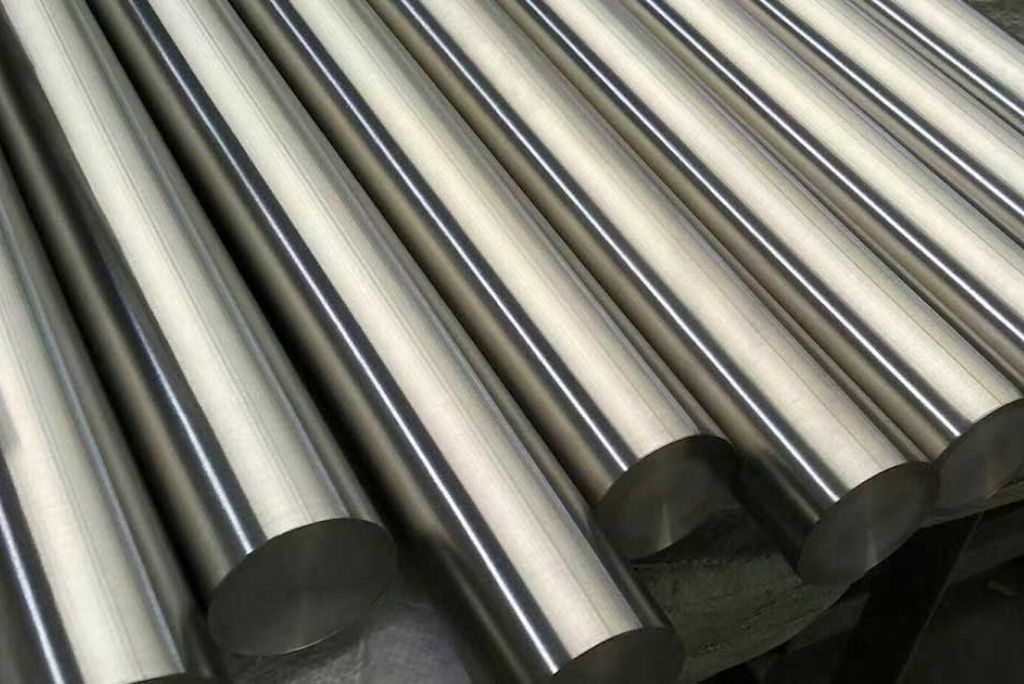 |
SMO 254 Rod / Round Bar | ASTM A276 / A479; EN 10088-3 | Shafts, machined parts, pump components and fasteners | View Product |
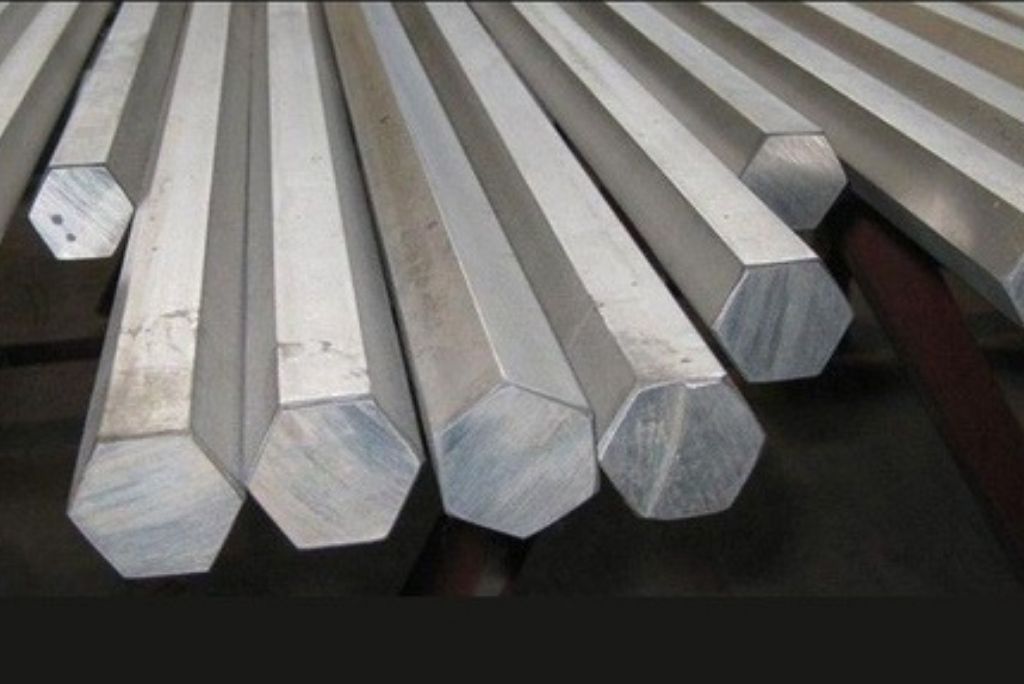 |
SMO 254 Hex Bar | ASTM A276 / A479; EN 10088-3 | Machined fittings, nuts, connectors and precision components | View Product |
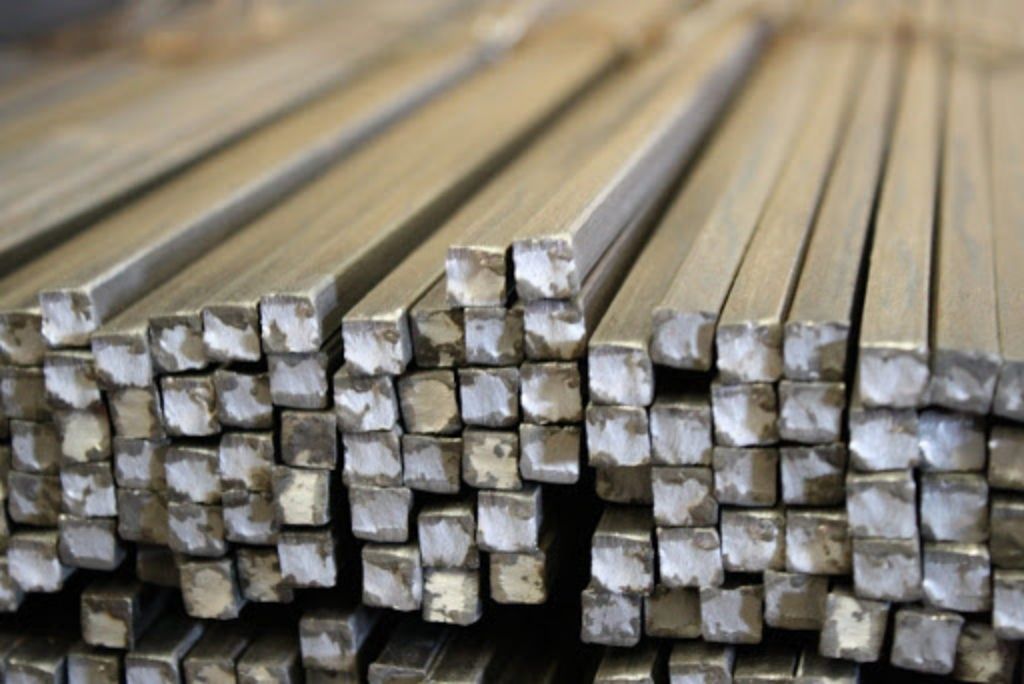 |
SMO 254 Square Bar | ASTM A276 / A479; EN 10088-3 | Fabricated frames, machined components and corrosion-resistant structures | View Product |
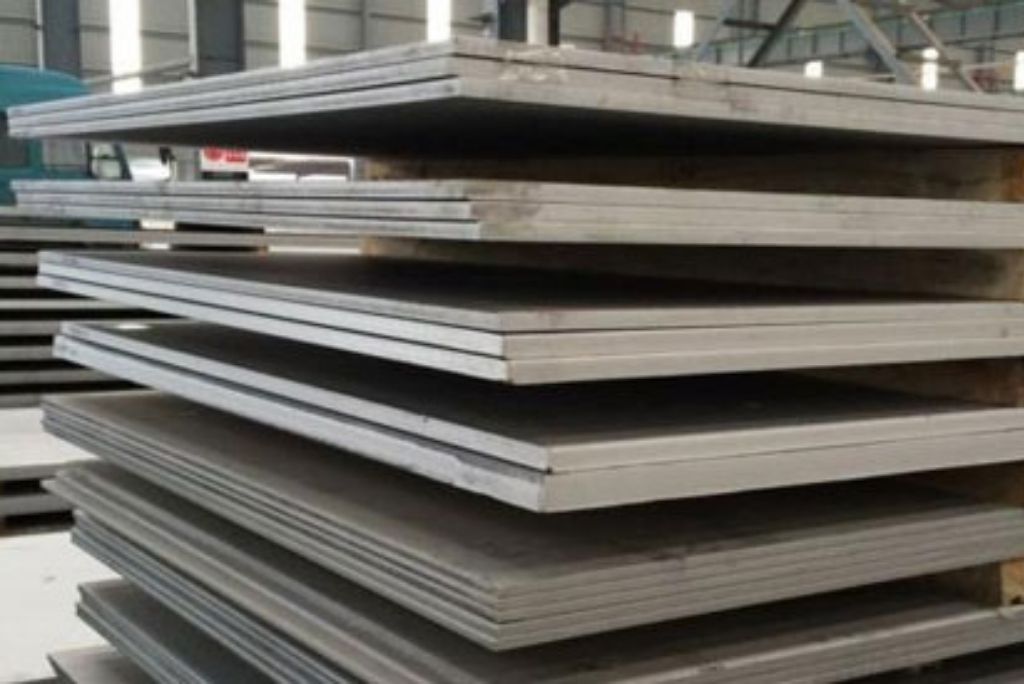 |
SMO 254 Sheet, Plate and Coil | ASTM A240/A240M; EN 10088-2; EN 10028-7 | Vessels, tanks, heat-exchanger parts, cladding and process equipment | View Product |
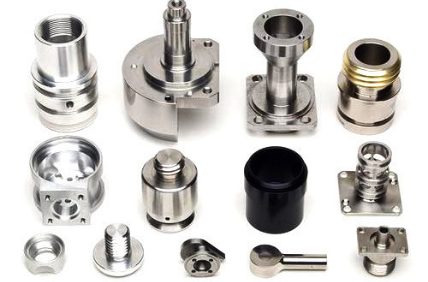 |
SMO 254 Components | Drawing and application dependent | Custom machined or fabricated parts produced to an approved drawing | View Product |
What Is SMO 254 Stainless Steel?
SMO 254 is a high-alloy austenitic stainless steel containing approximately 6% molybdenum with elevated chromium, nickel and nitrogen. This chemistry gives the grade high resistance to localised corrosion in chloride-bearing environments. Its austenitic structure also provides good formability, weldability and impact toughness when the material is correctly processed and supplied in the required condition.
The grade is commonly selected for seawater handling, chemical process equipment, pulp bleaching systems, gas-cleaning equipment and other duties where standard austenitic grades may not provide sufficient corrosion resistance. Actual service performance still depends on temperature, chloride concentration, pH, fabrication quality, surface condition and crevice design.
SMO 254 Standards and Designations
|
Category |
Designation / Standard |
Buyer Note |
|
UNS designation |
S31254 |
Primary unified alloy designation |
|
EN material number |
1.4547 |
European material designation |
|
EN grade name |
X1CrNiMoCuN20-18-7 |
European chemical-designation name |
|
Sheet / plate / coil |
ASTM A240/A240M; EN 10088-2; EN 10028-7 |
Select the exact standard by application and pressure-equipment requirement |
|
Bars |
ASTM A276; ASTM A479; EN 10088-3 |
Round, hex and square bar orders |
|
Forged products |
ASTM A473 |
Applicable where the ordered component is supplied as a forging |
SMO 254 Chemical Composition
The table gives nominal or maximum composition values for reference. The applicable material standard and heat-specific Mill Test Certificate control the final acceptance values.
|
Element |
Typical / Maximum % by Mass |
|
Carbon (C) |
≤ 0.020 |
|
Silicon (Si) |
≤ 0.80 |
|
Manganese (Mn) |
≤ 1.00 |
|
Phosphorus (P) |
≤ 0.030 |
|
Sulfur (S) |
≤ 0.010 |
|
Chromium (Cr) |
Approx. 20.0 |
|
Nickel (Ni) |
Approx. 18.0 |
|
Molybdenum (Mo) |
Approx. 6.1 |
|
Nitrogen (N) |
Approx. 0.20 |
|
Copper (Cu) |
Approx. 0.7 |
|
Iron (Fe) |
Balance |
SMO 254 Mechanical and Physical Properties
Representative room-temperature values are shown below for solution-annealed material. Mechanical properties vary with product form, thickness, condition and the governing standard.
|
Property |
Reference Value |
Important Note |
|
0.2% proof strength |
Typically ≥ 310 MPa |
Reference value; confirm by product standard and MTC |
|
Tensile strength |
Typically 655-850 MPa |
Product-form and thickness dependent |
|
Elongation |
Typically ≥ 35% |
Gauge length and standard dependent |
|
Hardness |
Typically ≤ 96 HRB |
Reference for solution-annealed tube/pipe data |
|
Density |
Approx. 8.0 g/cm³ |
Physical-property reference |
|
Pitting Resistance Equivalent |
Approx. 43 |
Calculated from Cr, Mo and N; actual heat chemistry varies |
SMO 254 Equivalent Grade and Material Designations
Use UNS S31254 and EN 1.4547 as the principal designations for this alloy. ASTM and EN product standards define the ordered form and acceptance requirements; they are not equivalent grades. Do not substitute a BS, JIS, GOST, duplex or nickel-alloy grade without the project engineer’s approval.
|
System |
Designation |
Buyer Note |
|
UNS |
S31254 |
Primary unified alloy designation |
|
EN material number |
1.4547 |
European material number |
|
EN grade name |
X1CrNiMoCuN20-18-7 |
European chemical-designation name |
|
Common description |
6Mo super austenitic stainless steel |
Descriptive alloy family, not a separate standard |
|
Trade name |
SMO 254 / 254 SMO |
Use the project-approved designation and applicable product standard |
|
Product standards |
ASTM A240, A276, A312, A269, A479 and A473 |
Select only the standard relevant to the ordered product form |
SMO 254 Heat Treatment and Forming
Heat-treatment guidance must be tied to the product form, section thickness and governing standard. The values below are general mill-datasheet guidance and should not replace an approved fabrication procedure.
- Solution annealing: Common guidance is approximately 1150–1200°C followed by rapid cooling to restore the intended corrosion-resistant structure.
- Hot forming: A typical hot-forming range is approximately 1200–1000°C. Fabricators should avoid uncontrolled cooling or prolonged exposure in critical precipitation ranges.
- Hardening response: SMO 254 is not hardened by conventional heat treatment. Strength can increase through cold work, which also raises forming and machining difficulty.
- Welding and post-fabrication cleaning: Use a qualified welding procedure, controlled heat input and suitable filler selection. Remove heat tint and surface contamination before corrosive service.
SMO 254 vs 316L Stainless Steel
SMO 254 is not required for every stainless-steel duty. The comparison below helps buyers decide when the higher-alloy grade may be justified. Final selection should follow the actual chloride level, temperature, pH, pressure, fabrication condition and corrosion study.
|
Selection Factor |
SMO 254 |
316L |
Buyer Guidance |
|
Alloy system |
Approx. 20% Cr, 18% Ni, 6.1% Mo and 0.20% N |
Lower molybdenum and nitrogen alloy content |
Consider SMO 254 where chloride attack is a primary design risk |
|
Localised corrosion |
High resistance to pitting and crevice corrosion; PRE is approximately 43 |
Suitable for many moderate industrial and hygienic duties |
Use service chemistry and temperature, not grade name alone |
|
Strength |
Higher minimum proof strength in common solution-annealed flat-product standards |
Lower strength in common solution-annealed forms |
The design code and product standard still govern allowable stress |
|
Fabrication |
Greater work hardening and more demanding machining and welding control |
Generally easier to machine and fabricate |
Plan tooling, cutting speeds, filler selection and surface cleaning |
|
Commercial selection |
Higher alloy content and cost; chosen for demanding service |
Usually more economical for standard corrosion duty |
Do not specify SMO 254 where 316L is technically adequate |
Why SMO 254 Is Selected for Aggressive Environments
- Resistance to pitting and crevice corrosion: The high chromium, molybdenum and nitrogen content supports a PRE value around 43, making the grade suitable for many chloride-bearing duties.
- Resistance to chloride stress corrosion cracking: The high nickel and molybdenum content gives better resistance than conventional 300-series austenitic grades in many chloride environments.
- Strength with austenitic toughness: SMO 254 combines higher proof strength than common austenitic stainless steels with useful ductility and impact toughness.
- Fabrication capability: The grade can be formed and welded, but controlled procedures, suitable filler selection, surface cleaning and heat-input control are important for maintaining corrosion performance.
- Product-form flexibility: Bars, sheets, plates, coils and drawing-based components allow the grade to be specified for both fabricated equipment and machined parts.
Industries We Serve
- Desalination and seawater systems: Used for piping components, pumps, heat-exchanger parts and equipment exposed to chloride-rich seawater and brine.
- Chemical processing: Selected for tanks, pipelines, reactor parts and process equipment handling chloride-bearing or acidic media, subject to a full corrosion review.
- Oil and gas: Applied in offshore systems, seawater utilities, instrumentation components and process equipment where pitting and crevice corrosion are key material-selection concerns.
- Pulp and paper: Used in bleaching equipment and other process areas exposed to aggressive chemicals and chlorides.
- Power and gas cleaning: Considered for flue-gas cleaning components, scrubber systems and related wet-corrosion service.
- Food and pharmaceutical processing: Can be specified for process equipment where corrosion resistance, cleanability and the applicable surface and documentation requirements are defined by the project.
Fabrication and Welding Guidance
SMO 254 can be cold formed and welded, but it work-hardens more strongly and is more difficult to machine than lower-alloy austenitic grades. Lower cutting speeds and suitable tooling may be required. Welding procedures should control heat input and use a filler metal selected for the joint design and corrosive service. Weld oxides, heat tint and surface contamination should be removed before the component enters service.
For critical equipment, the fabricator should review the product standard, solution-annealed condition, weld procedure, filler selection, post-weld cleaning, passivation and inspection plan before production begins.
Testing and Documentation
State the required documentation in the purchase enquiry. Common project requests may include a Mill Test Certificate, heat-number traceability, positive material identification, dimensional inspection, mechanical-test results or third-party inspection. Availability and the applicable certificate format should be confirmed at quotation stage.
Request an SMO 254 Products Quote
Share the required product form, standard, size, quantity and delivery location. Lakshya Steel will review the enquiry and respond with the applicable product details and commercial offer.
|
Enquiry Field |
Status |
|
Name |
Required |
|
Company Name |
Required |
|
Email Address |
Required |
|
Phone Number |
Required |
