
Aluminium Products Supplier in India
Lakshya Steel supplies aluminium sheets, plates, foil, bars, pipes, tubes, flanges and fittings in different alloy series and tempers for industrial and fabrication requirements
Aluminium is chosen for many projects because it offers a useful combination of low weight, corrosion resistance, formability and thermal or electrical conductivity. However, not every aluminium grade performs in the same way. The suitable alloy depends on the required strength, fabrication process, operating conditions, product form and temper.
Lakshya Steel supplies aluminium products for construction, transport, electrical, process equipment, machinery and general engineering applications. The available range includes aluminium sheets, plates, foil, round bars, square and hex bars, seamless pipes, tubes, flanges, fittings and drawing-based components.
Buyers should share the required alloy grade, temper, dimensions, quantity, product standard and end use when requesting a quotation. These details help the team identify the appropriate product form and specification for the application.
Aluminium Product Range
| Product / Grade | Buyer Use |
| Aluminium foil | Thin-gauge product selected by alloy, temper, thickness and end use. |
| Aluminium plates and sheets | Flat products for fabrication, transport, electrical and process applications. |
| Aluminium rods and bars | Round and shaped bars for machining and structural components. |
| Aluminium square and hex bars | Shaped bars for machined fittings and components. |
| Aluminium seamless pipes | Pipe selected by alloy, temper, OD and wall thickness. |
| Aluminium seamless tubes | Tubing for structural, heat-transfer and engineering use. |
| Aluminium flanges and fittings | Piping components for compatible pressure and process service. |
| Aluminium components | Drawing-based machined or fabricated parts. |
Material and Grade Selection Guide
| Option | Reference / Composition Basis | Choose It When | Selection Caution |
| 1xxx | Commercially pure aluminium | High conductivity, corrosion resistance and formability | Electrical, foil and chemical equipment depending on grade and temper. |
| 3xxx | Aluminium-manganese | Moderate strength and good forming behaviour | Foil, sheet, heat exchangers and general fabrication. |
| 5xxx | Aluminium-magnesium | Good marine corrosion resistance and weldability | Marine, transport and welded structures; sensitization limits may apply. |
| 6xxx | Aluminium-magnesium-silicon | Heat-treatable, extrudable and machinable | Profiles, bars, structural components and general engineering. |
| 7xxx | Aluminium-zinc | High-strength heat-treatable alloys | Aerospace and high-load components; corrosion and welding need grade review. |
Standards by Product Form
| Product Form | Common Reference | What to State in the Enquiry |
| Sheet and plate | ASTM B209; ANSI H35.2 tolerances | Alloy, temper, thickness, width, length and finish |
| Extruded bars, profiles and tube | ASTM B221 | Alloy, temper, profile, dimensions and tolerance |
| Seamless pipe and tube | ASTM B241 / B210, depending on form | OD or NPS, wall, temper, length and testing |
| Forgings | ASTM B247 | Alloy, temper, drawing and inspection |
| Foil | ASTM B479 or project/industry specification, where applicable | Alloy, temper, thickness, width and surface |
| Dimensional tolerances | ANSI H35.2 | Use the form- and temper-specific tolerance table |
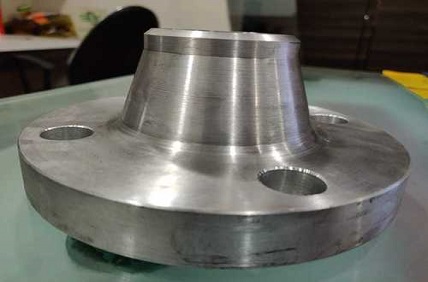
Aluminium Flanges
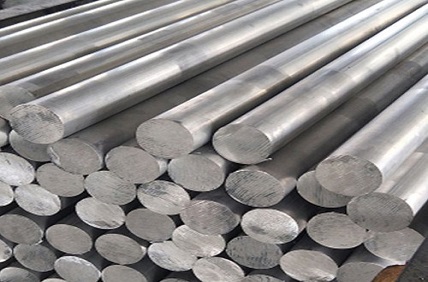
Aluminium Rod & Aluminium Bars
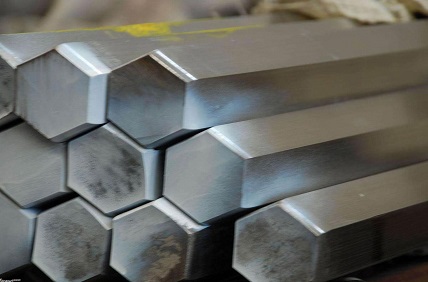
Aluminium Hex Bars
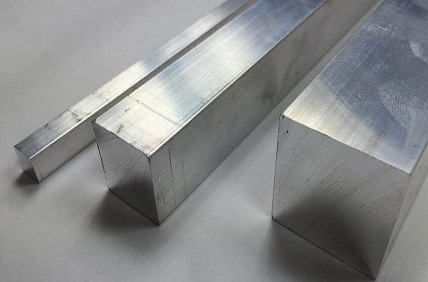
Aluminium Square Bars
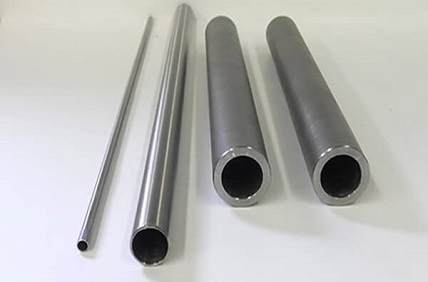
Aluminium Seamless Pipes
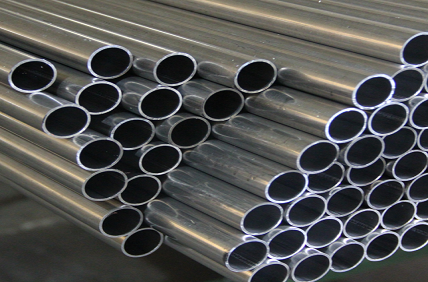
Aluminium Welded Pipes
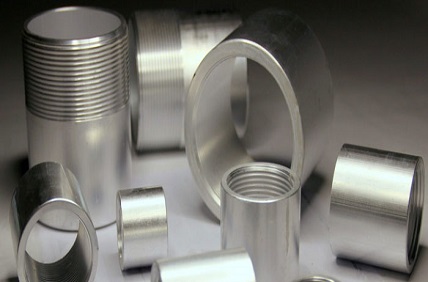
Aluminum Pipe Fittings
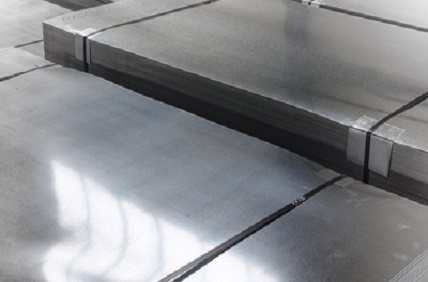
Aluminium Plates & Aluminium Sheets
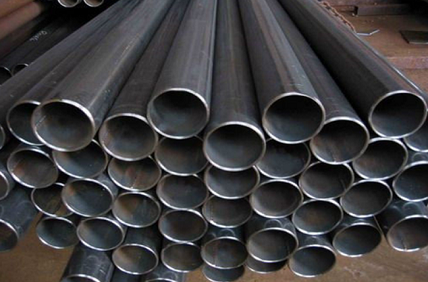
Aluminium Welded Tubes
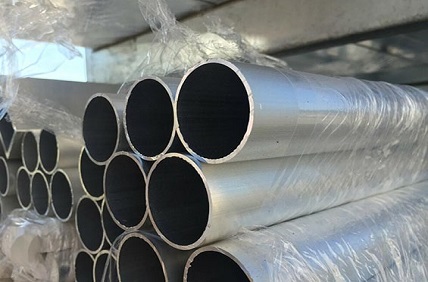
Aluminium Seamless Tubes
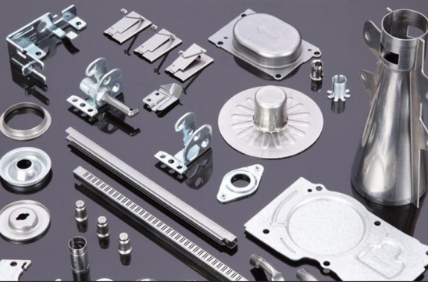
Aluminium Components
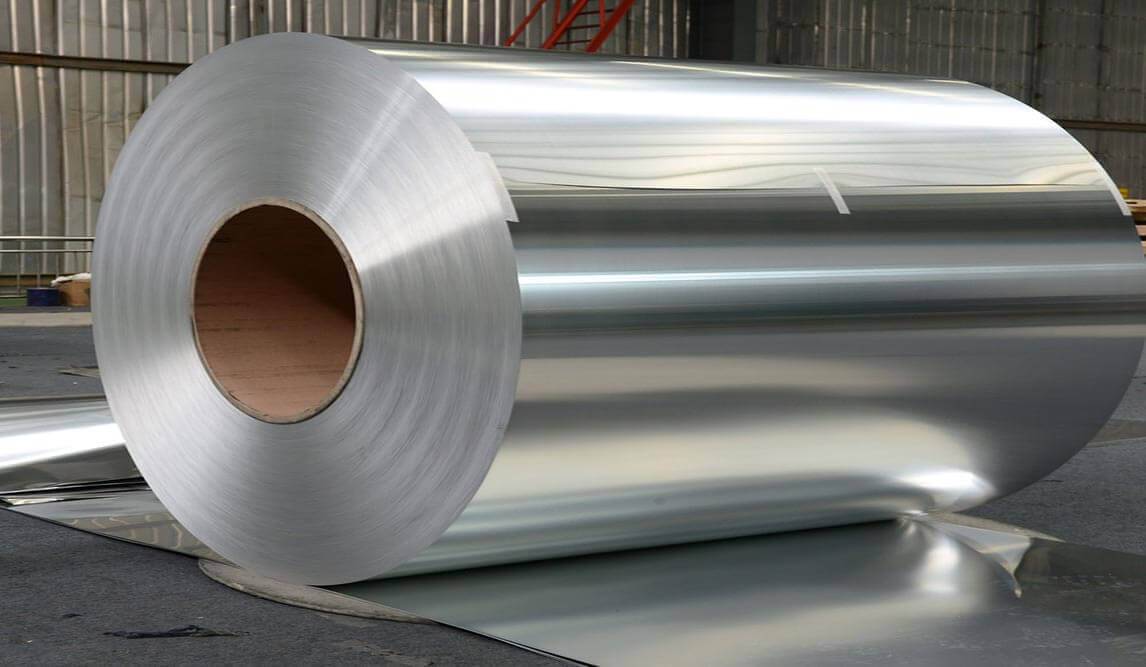
Aluminium Foil
How to Select the Right Product Form
- Use pipe and tube pages when the enquiry is controlled by OD or NPS, wall thickness, schedule, construction method and pressure or heat-transfer service.
- Use plate and sheet pages when thickness, width, length, finish, forming and fabrication are the main buying variables.
- Use bar pages when diameter or section, condition, tolerance, machining and heat treatment control the requirement.
- Use flange and fitting pages when the design is controlled by size, pressure class, facing, schedule, joint type and piping code.
- Use component pages for drawing-based parts with defined tolerances, inspection and end-use information.
Industries We Serve
- Aerospace and transport: High-strength plates, bars and components where weight reduction and certified alloy condition are critical.
- Electrical and electronics: 1xxx series, foil and conductors selected for conductivity, purity and dimensions.
- Marine and offshore: 5xxx series sheets, plates and components selected for corrosion resistance and weldability.
- Construction and architecture: 6xxx extrusions, sheets and fabricated components for frames, facades and structural systems.
- Packaging and heat exchange: Foil, sheet and tubing selected by forming, thermal performance and hygiene requirements.
- General engineering: Bars, plates, pipes and components selected by strength, machinability, temper and finish.
Testing and Documentation
Testing and documentation should be agreed before quotation. Depending on the product standard and project, the requirement may include a mill test certificate, heat-number traceability, chemical and mechanical test results, dimensional inspection, positive material identification, non-destructive examination, pressure testing, impact testing, surface or coating records and third-party inspection. Lakshya Steel should publish only the services that are confirmed for the selected product and supply route.
Prepare a Clear Enquiry
- Material or grade
- Product form and governing standard
- Dimensions, thickness, wall, schedule, section or pressure class
- Quantity and length
- Condition, temper, heat treatment or finish
- Testing, certificate and inspection requirement
- Drawing and tolerances for components
- Delivery destination and end use
Frequently Asked Questions
1. How do I choose an aluminium alloy series?
Choose the alloy series from the required strength, corrosion resistance, conductivity, forming, welding, machining and heat-treatment route. The series indicates the main alloy family, but the complete four-digit grade and temper are needed because properties can change substantially between alloys and delivery conditions.
2. What does the aluminium temper designation mean?
The temper suffix describes the processing condition. O generally indicates annealed material, H identifies strain-hardened conditions and T identifies thermally treated conditions. Additional digits define the exact treatment. The purchase order should state both alloy and temper, such as 6061-T6, rather than only the alloy number.
3. Which standards apply to aluminium sheets, bars and tubes?
ASTM B209 is common for sheet and plate, B221 for extruded bars, profiles and tube, B241 for seamless pipe and tube, B210 for drawn seamless tube and B247 for forgings. ANSI H35.2 provides dimensional-tolerance guidance for many aluminium mill products.
4. Can aluminium products be welded?
Many aluminium alloys can be welded, but procedure, filler selection, heat input and post-weld properties depend on the alloy and temper. Some heat-treatable or high-strength alloys lose strength in the heat-affected zone or have limited weldability, so the design should use grade-specific fabrication data.
5. What should be included in an aluminium enquiry?
Provide the alloy and temper, product form, ASTM or EN standard, dimensions, thickness or wall, quantity, finish, tolerance, testing and delivery destination. For profiles or components, include a drawing. For foil, state thickness, width, temper, surface and end-use requirements.
Request A Quote
