
Lakshya International offers Stainless Steel 309 Products for uses where heat resistance, oxidation protection and thermal exposure are important. AISI 309 is usually known as UNS S30900, while 309S is a lower-carbon version that is chosen when welding and fabrication matters. This grade has chromium and nickel, which help it work well in hot environments.
Stainless Steel 309 is often chosen for furnace parts, heat-treatment equipment, kilns, heat exchangers, boilers, petrochemical equipment and other components that face elevated temperatures. When comparing grades, Stainless Steel 304 Products can be considered for more general-purpose applications, while Stainless Steel 310 Products may be evaluated for more demanding high-temperature service. The right product depends on the operating temperature, the atmosphere around it, the load, how it is manufactured, its size and the applicable material standard.
For a project, provide the grade, product shape, size, required quantity, applicable standard and any testing requirements when you ask Lakshya International for a Request a Quote.
Stainless Steel 309 Products
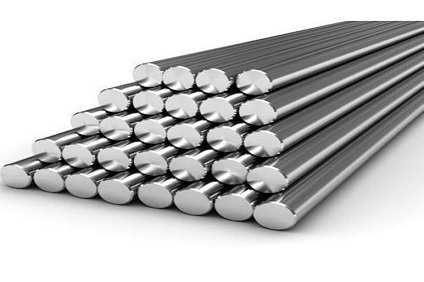
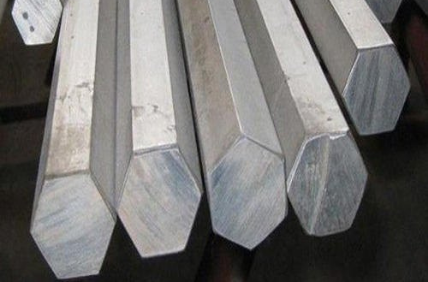
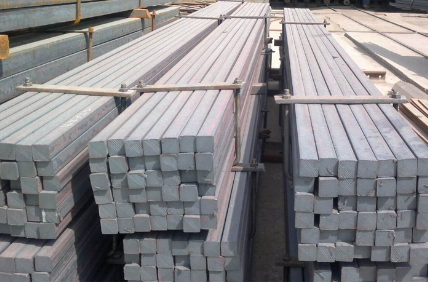
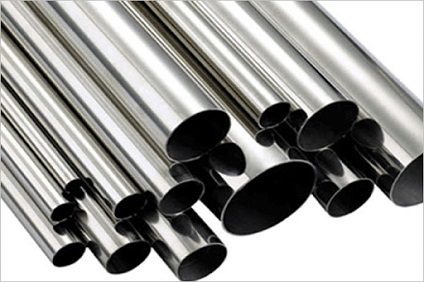
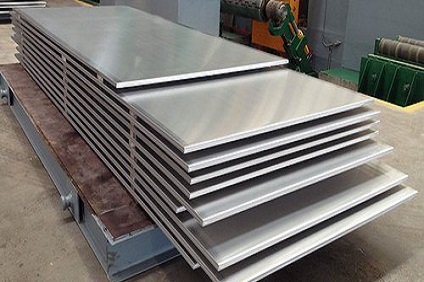
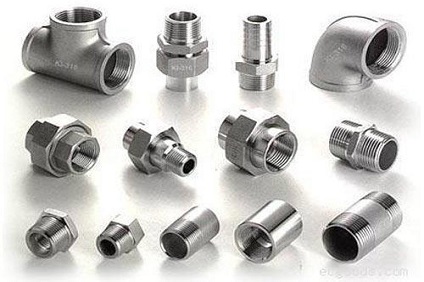
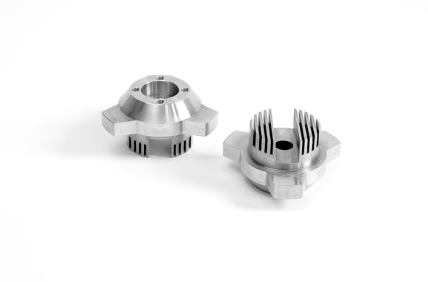
Choose the product form first, then confirm the dimensions, condition, finish and applicable standard. Lakshya’s current product architecture lists 309 rod/bar, hex bar, square bar, welded pipes, plates/sheets, fittings and components.
What Is Stainless Steel 309?
Stainless Steel 309 is an austenitic chromium-nickel stainless steel developed for elevated-temperature service. Its higher chromium and nickel content compared with common general-purpose grades helps it resist oxidation and maintain useful performance in suitable thermal environments.
309S is the lower-carbon version. It is often considered when welding and carbide-precipitation control are important. Grade selection should follow the exact product standard, fabrication method and service requirements.
- Stainless Steel 309 Grade and Designation Guide
- Stainless Steel 309 Specifications
- Chemical Composition of Stainless Steel 309
- Stainless Steel 309 Mechanical Properties
- Physical Properties of Stainless Steel 309
Stainless Steel 309 Grade and Designation Guide
| System | Designation |
| AISI | 309 |
| UNS | S30900 |
| Low-carbon grade | 309S |
| UNS 309S | S30908 |
| EN / Werkstoff | 1.4828 |
| JIS | SUS 309 |
| Common EN designation | X15CrNiSi20-12 |
Stainless Steel 309 Specifications
| Specification | Stainless Steel 309 |
| Grade | AISI 309 |
| UNS | S30900 |
| Low-carbon grade | 309S / UNS S30908 |
| Werkstoff | 1.4828 |
| JIS | SUS 309 |
| Product standards | Depend on product form; confirm the applicable specification before ordering. |
Chemical Composition of Stainless Steel 309
The following composition reflects the chemistry shown on the current Lakshya 309 page. Final acceptance should follow the governing product standard and heat-specific Mill Test Certificate. citeturn3view0
| Element | Composition |
| Chromium (Cr) | 22.0–24.0% |
| Nickel (Ni) | 12.0–15.0% |
| Carbon (C) | 0.20% max |
| Manganese (Mn) | 2.00% max |
| Silicon (Si) | 0.75% max |
| Phosphorus (P) | 0.045% max |
| Sulfur (S) | 0.030% max |
| Iron (Fe) | Remainder |
Stainless Steel 309 Mechanical Properties
Mechanical properties depend on the product form, condition and governing standard. The current Lakshya page lists the following minimum/reference values under its stated ASTM A167 table. citeturn3view0
| Property | Reference value |
| Yield strength | 30 ksi / approx. 205 MPa min. |
| Tensile strength | 75 ksi / approx. 515 MPa min. |
| Elongation | 40% min. |
| Hardness | 95 HRB max. / approx. 210 HBW |
Physical Properties of Stainless Steel 309
| Property | Reference value |
| Density | 0.285 lb/in³ |
| Modulus of elasticity | 29.0 × 10⁶ psi |
| Coefficient of thermal expansion, 68–212°F | 8.7 × 10⁻⁶ /°F |
| Thermal conductivity | 9.0 Btu/ft·hr·°F |
| Specific heat | 0.12 Btu/lb·°F |
| Electrical resistivity | 30.7 microohm-in |
Why Choose Stainless Steel 309?
- Designed for elevated-temperature applications.
- Good oxidation resistance in suitable high-temperature atmospheres.
- Higher chromium and nickel content than 304 supports thermal-service performance.
- Useful for furnace, kiln and heat-treatment equipment.
- Suitable for components exposed to thermal cycling when the application is properly evaluated.
- 309S offers a lower-carbon option when welding and carbide precipitation are important.
- Available across several product forms, subject to the applicable standard and current supply capability.
Stainless Steel 309 High-Temperature Performance
High-temperature service is the main reason engineers consider 309. The alloy’s chromium and nickel content helps it resist oxidation and retain useful performance at elevated temperatures. The practical service limit, however, depends on atmosphere, temperature, loading, thermal cycling and the component design.
Stainless Steel 309 vs 304
| Selection factor | Stainless Steel 309 | Stainless Steel 304 |
| Primary strength | High-temperature / oxidation performance | General-purpose corrosion resistance and fabrication |
| Chromium / nickel | Higher | Lower |
| Elevated-temperature service | Better suited | More limited |
| General fabrication | Suitable | Excellent |
| Typical applications | Furnaces, kilns, thermal processing | General fabrication, food, architectural and process equipment |
| Best choice when | Elevated temperature is a major design requirement | Ambient/general service is the priority |
If the component will operate mostly at normal temperatures, 304 may be a more practical choice. When elevated temperature and oxidation resistance drive the specification, 309 should be evaluated.
Stainless Steel 309 vs 310
| Factor | 309 | 310 |
| Typical selection | High-temperature service with a balance of chromium and nickel | More demanding high-temperature service |
| Chromium level | Lower than 310 | Higher than 309 |
| Nickel level | Lower than 310 | Higher than 309 |
| Relative cost | Often lower | Often higher |
| Selection approach | Use when 309 meets the actual thermal requirement | Consider when the design requires a higher-temperature alloy |
Stainless Steel 309 Welding
309 can be welded using appropriate procedures, while 309S is the lower-carbon grade commonly considered when weldability and carbide precipitation are important. Filler selection, heat input, joint design and the applicable welding procedure should be assessed together.
309 filler metals are also used in some dissimilar-metal welding applications. This is a fabrication-specific decision and should follow the relevant welding procedure or code rather than a generic product-page recommendation.
Stainless Steel 309 Corrosion and Oxidation Resistance
Stainless Steel 309 provides useful oxidation resistance in suitable high-temperature environments. Its performance depends on the atmosphere, temperature, contaminants and thermal cycling. It should not automatically be treated as the best grade for every aqueous or chloride-containing environment.
Where the main requirement is corrosion resistance rather than high-temperature performance, buyers should compare the application with alternatives such as Stainless Steel 304 or Stainless Steel 316.
Stainless Steel 309 Applications
| Application | Why 309 is considered |
| Furnace manufacturing | Suitable for selected furnace components exposed to elevated temperatures. |
| Heat treatment equipment | Useful for thermal-processing components subject to repeated heating cycles. |
| Cement plants | Considered for selected high-temperature equipment. |
| Glass manufacturing | Used in selected furnace and thermal-processing components. |
| Power generation | Considered for thermal equipment where the grade meets service requirements. |
| Petrochemical processing | Used in selected high-temperature process equipment. |
| Oil refineries | Used in furnace and heat-processing applications where the material specification permits it. |
| Heat exchangers / boilers | Can be selected for suitable high-temperature components subject to the design and material standard. |
How to Select the Right Stainless Steel 309 Product
For a quotation, provide:
- Grade: 309 or 309S.
- Product form: rod/bar, hex bar, square bar, welded pipe, plate/sheet, fitting or component.
- Dimensions, thickness or diameter.
- Length or cut-to-size requirement.
- Quantity.
- Surface finish and material condition.
- Applicable ASTM, ASME, EN, DIN or JIS standard.
- Operating temperature and service environment where relevant.
- Testing, inspection and certification requirements.
- Delivery location and required schedule.
Stainless Steel 309 Price
The price of Stainless Steel 309 depends on product form, dimensions, thickness, finish, quantity, manufacturing route, applicable standard, testing requirements and prevailing nickel and chromium market conditions.
Request a Stainless
Steel 309 Quote
Share your Stainless Steel 309 or 309S grade, product form, dimensions, quantity and applicable standard. Providing the complete specification helps our team identify the right product form and prepare a project-specific quotation.
Frequently Asked Questions About Stainless Steel 309
Request A Quote
