
An alloy, steel is play a important role in the industrial world, it’s considered the backbone of many products. Steel is largely made up of carbon and iron, but includes various trace elements. One is known as stainless steels, which use chromium to prevent commonly encountered iron corrosion. In this informative article, we talk about the most common SS steel grade 304, its physical, mechanical and practical properties. Understanding its characteristics will allow designers to better understand the potential uses, strengths and applicability of SS 304 in their own designs.
The SS 304 steel is used because of its numerous advantages. This steel is the type of austenitic steel that provides good anti-corrosion properties along with high strength and toughness, along with good weldability. For larger parts where full SS 304 anti-corrosion properties are needed, a low-carbon-content grade of steel is used, referred to as 304L.
Grade 304 stainless steel is made up of 18% chromium, giving it its resistance to corrosion. Additionally, 8% nickel forms its austenitic structure. This makes grade 304 highly formable and suitable for fabrication, allowing it to be easily used in various applications.
Stainless Steel 304’s corrosion resistance allows it to be widely used where durability of both appearance and function is important. Its sanitary and cleanable surface is also an added advantage for different applications. For thicker sections (above about 6mm) requiring full corrosion resistance, the low-carbon 304L steel grade is the only option. Likewise, for high temperature applications (such as pressure vessels), the higher carbon content 304H stainless steel may be required.
Grade 304 stainless steel, ss304, aisi 304 stainless steel, sus 304 stainless steel, steel 304 offers an attractive option in many applications. Our all part of our complete Stainless Steel range is resistant to corrosion, formable and easy to maintain and thus offers a long-lasting option for products requiring high performance.
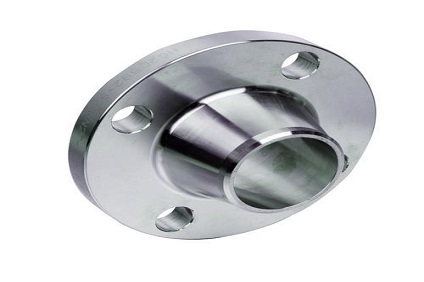
Stainless Steel 304 Flanges
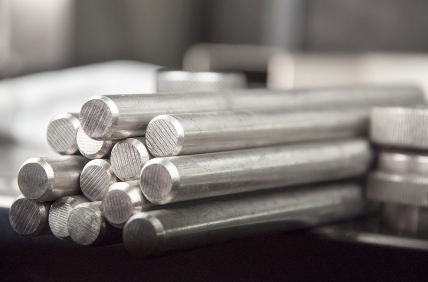
Stainless Steel 304 Rod/Bar
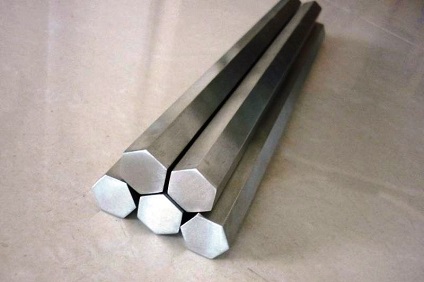
Stainless Steel 304 Hex Bar
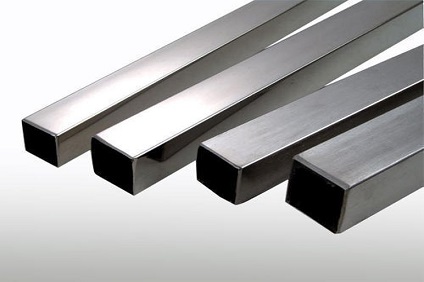
Stainless Steel 304 Square Bar
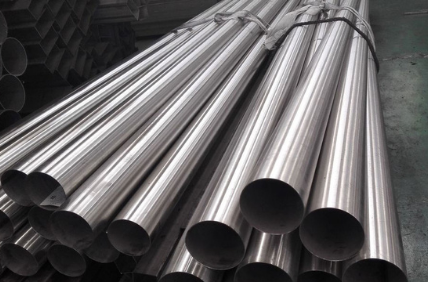
Stainless Steel 304 Seamless Pipes
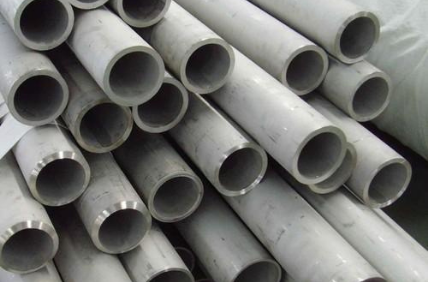
Stainless Steel 304 Welded Pipes
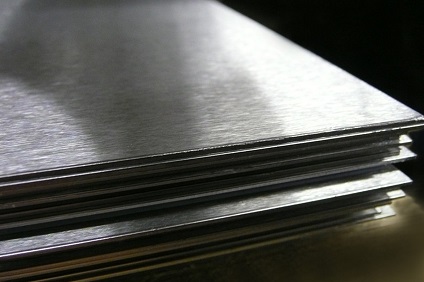
Stainless Steel 304 Plates/Sheet
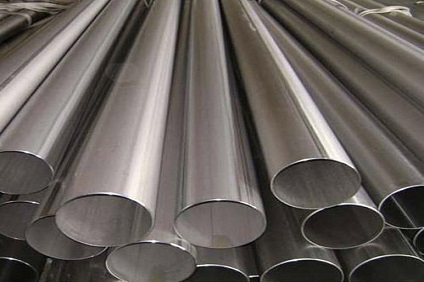
Stainless Steel 304 Seamless Tubes
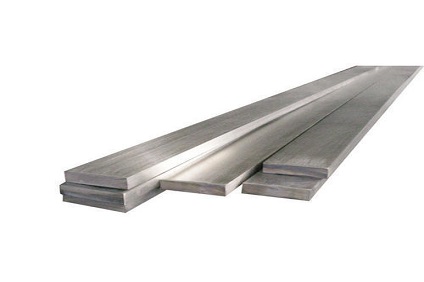
Stainless Steel 304 Flat Bar
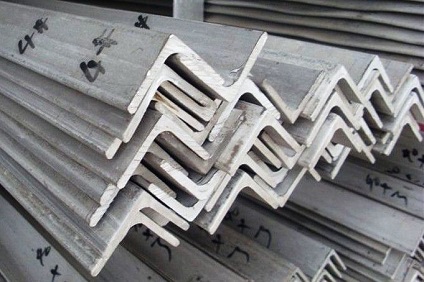
Stainless Steel 304 Angle
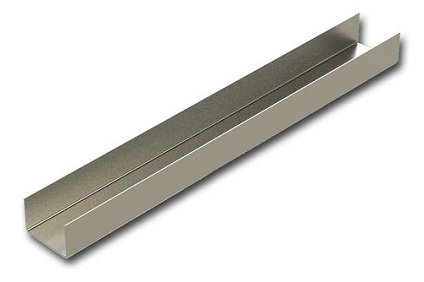
Stainless Steel 304 Channel
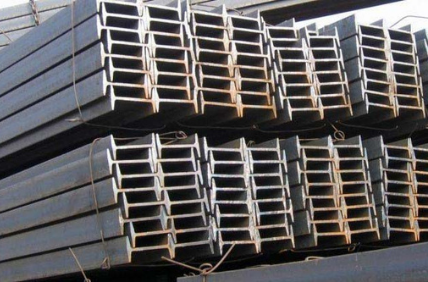
Stainless Steel 304 H Beam
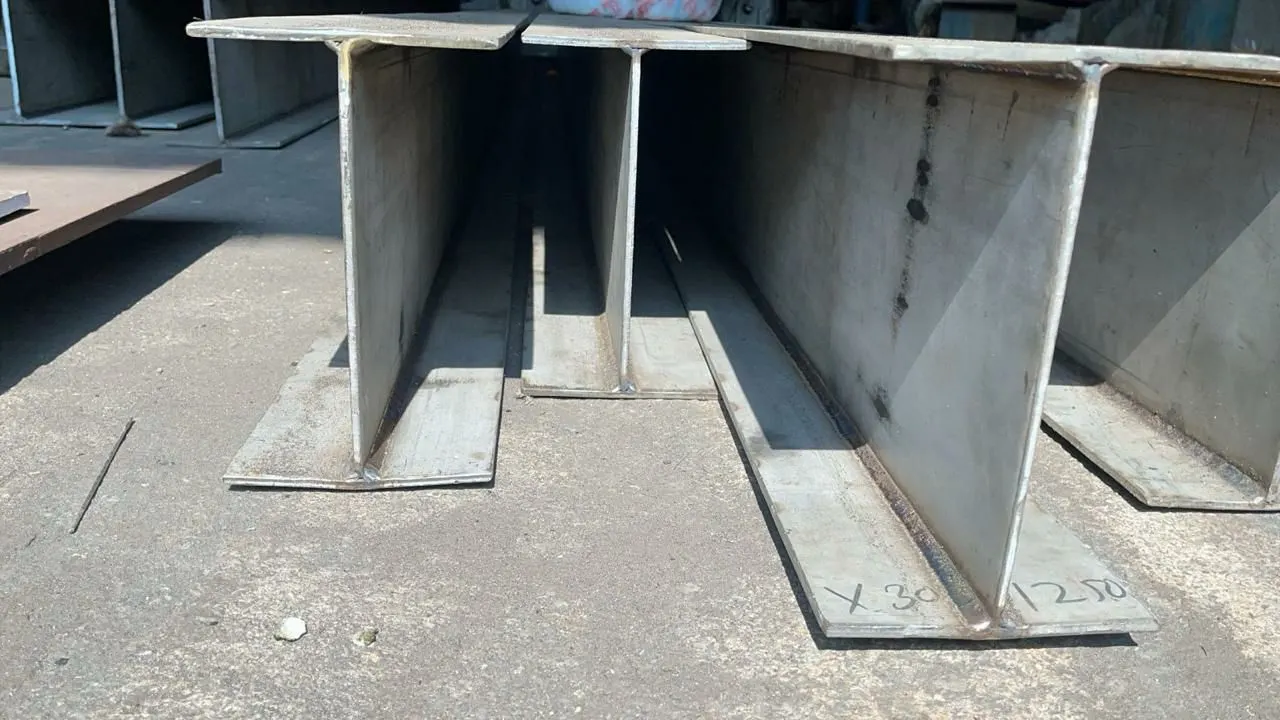
Stainless Steel 304 I Beam
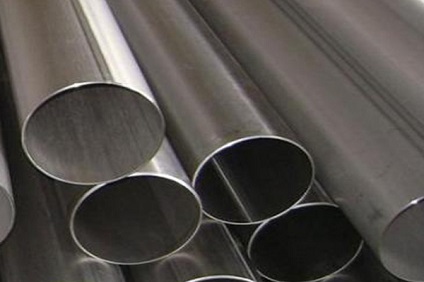
Stainless Steel 304 Welded Tubes
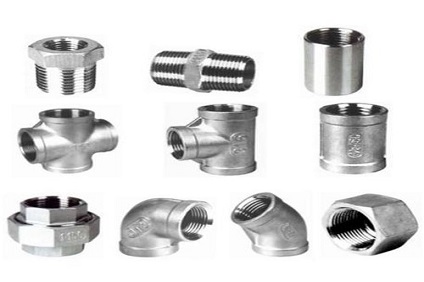
Stainless steel 304 Fittings
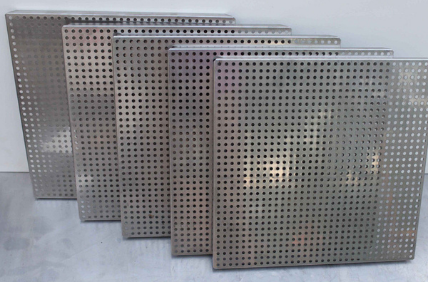
Stainless Steel 304 Perforated Sheets
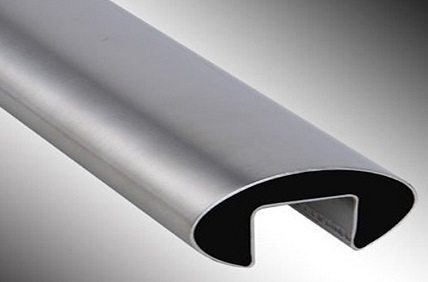
Stainless Steel 304 Single Slotted Pipe
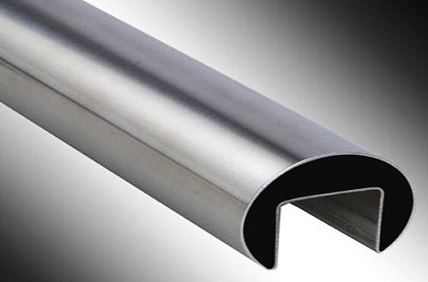
Stainless Steel 304 Double Slotted Pipe
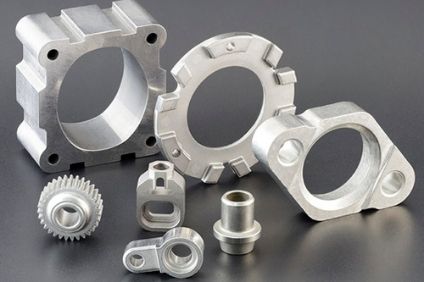
Stainless Steel 304 Components
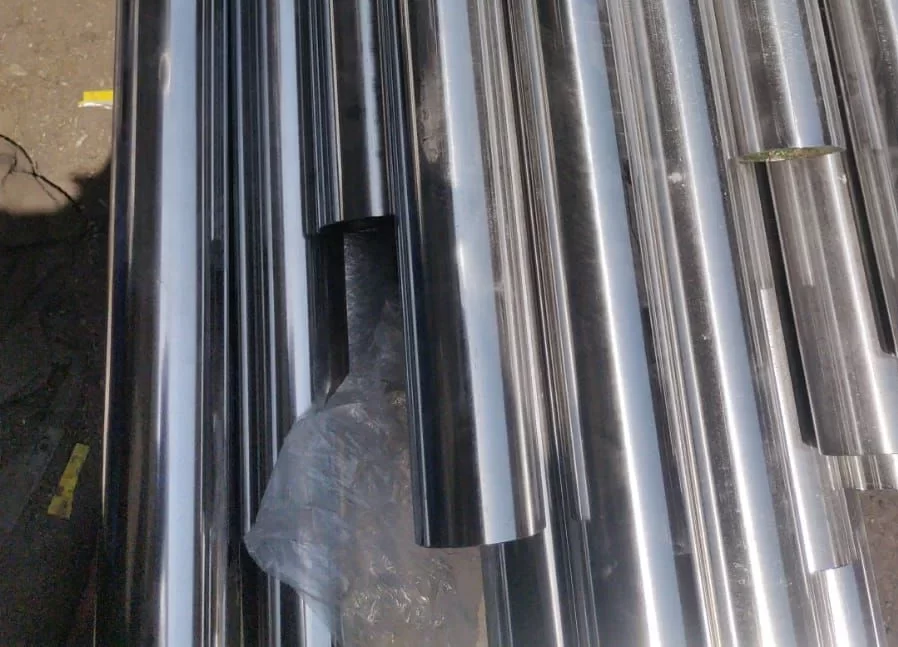
Stainless Steel 304 Tube
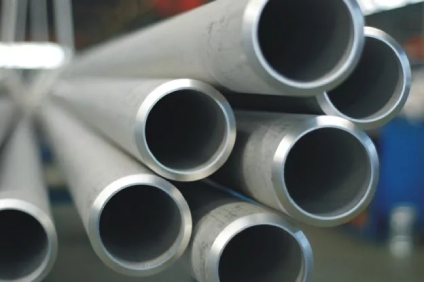
Stainless Steel 304 Pipe
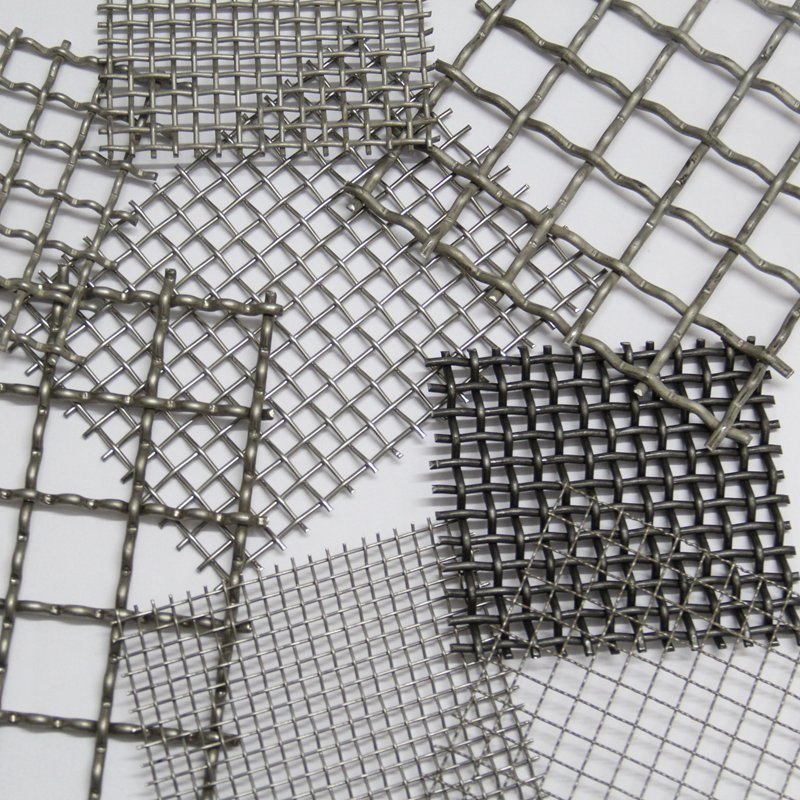
304 Stainless Steel Wire Mesh
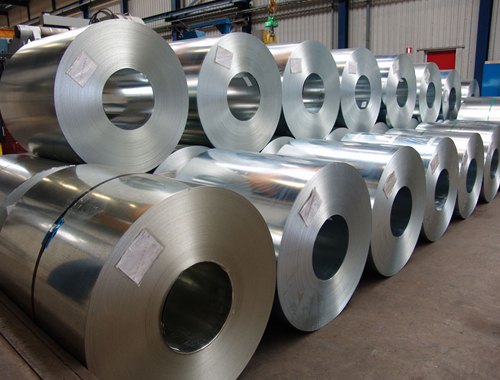
304 Stainless Steel Coil
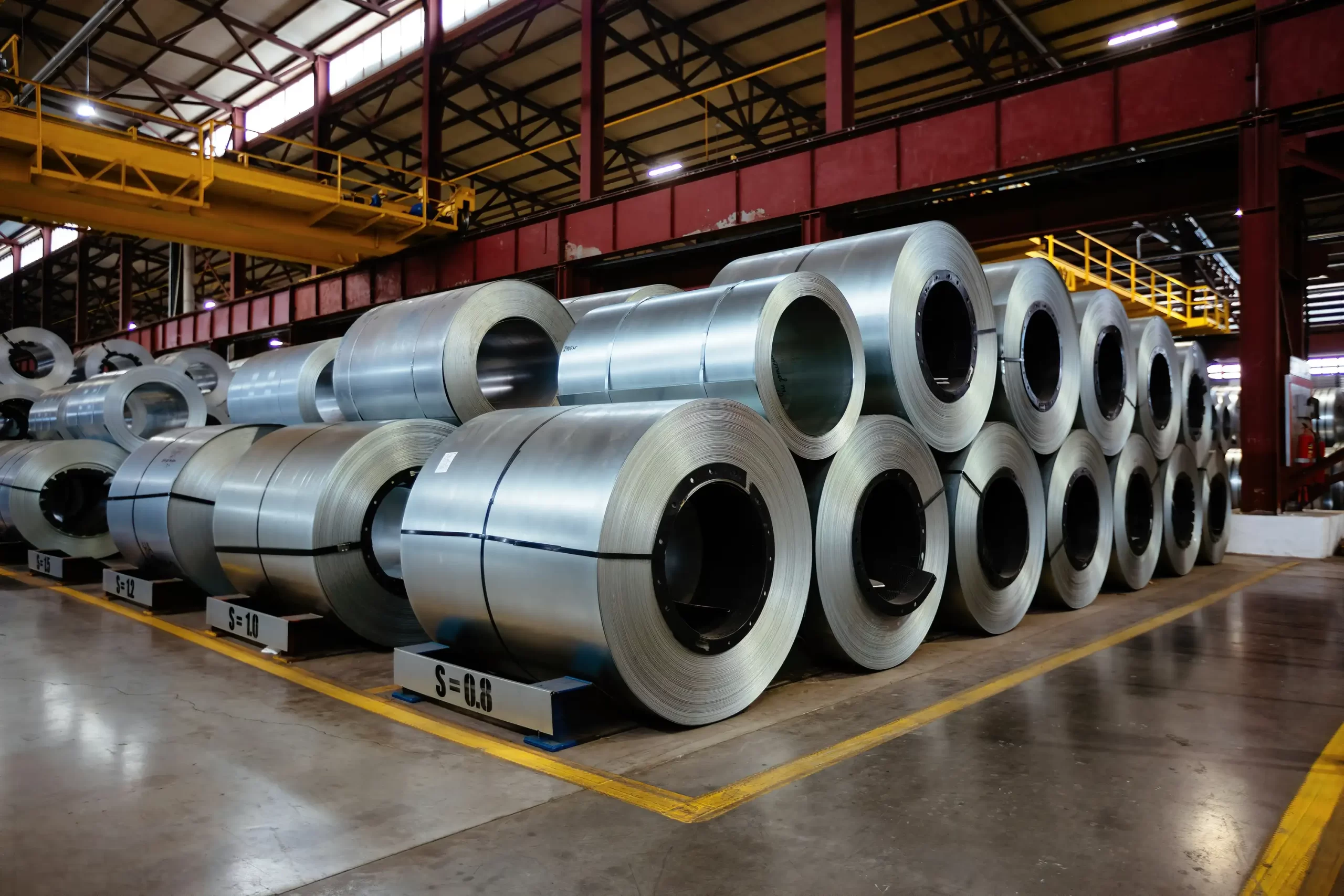
304L Stainless Steel Coil
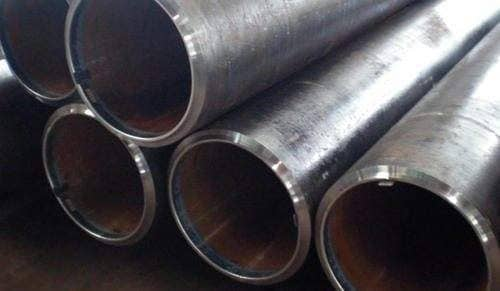
304L Stainless Steel Seamless Pipe
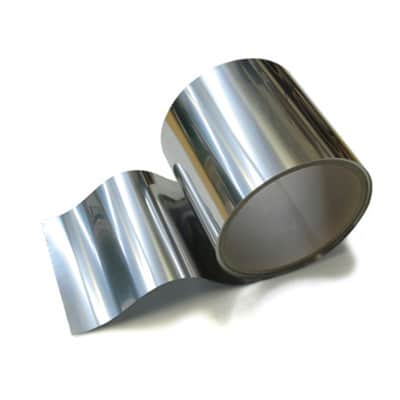
304 Stainless Steel Shims
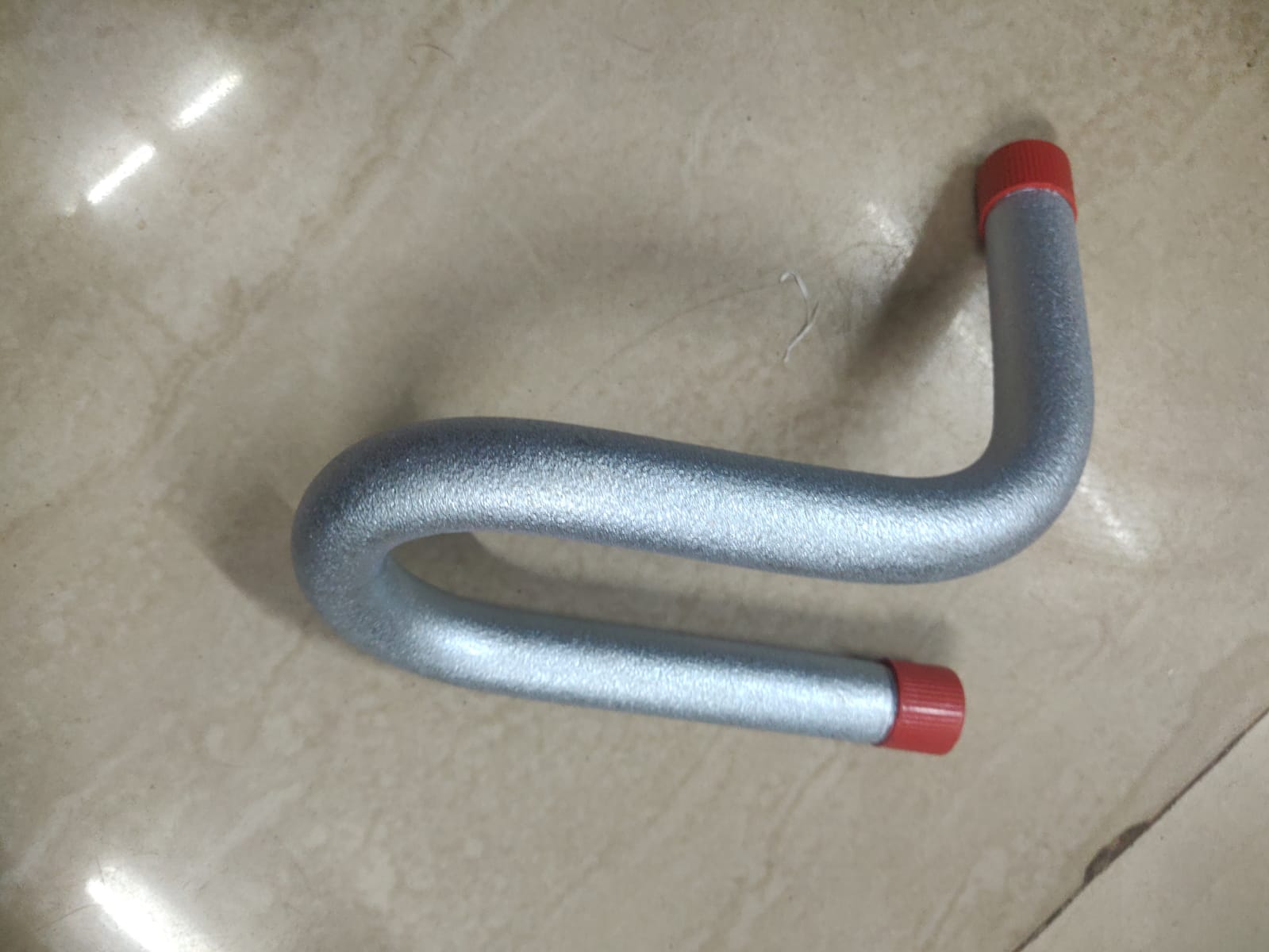
Stainless Steel 304/304L Syphon
304 Stainless Steel Chemical Composition
Table 1. Chemical composition for 304 stainless steel alloys
| % | 304 | 304L | 304H |
| C | 0.0 – 0.07 | 0.0 – 0.03 | 0.04 – 0.08 |
| Mn | 0.0 – 2.0 | 0.0 – 2.00 | 0.0 – 2.0 |
| Si | 0.0 – 1.00 | 0.0 – 1.00 | 0.0 – 1.0 |
| P | 0.0 – 0.05 | 0.0 – 0.05 | 0.0 – 0.04 |
| S | 0.0 – 0.03 | 0.0 – 0.02 | 0.0 – 0.02 |
| Cr | 17.50 – 19.50 | 17.50 – 19.50 | 17.00 – 19.00 |
| Ni | 8.00 – 10.50 | 8.00 – 10.50 | 8.00 – 11.00 |
| Fe | Balance | Balance | Balance |
| N | 0.0-0.11 | 0.0-0.11 | 0.0 – 0.10 |
304 Stainless Steel Properties
Mechanical Properties of Stainless Steel 304
Table 2a. Mechanical properties for 304 SS alloys – sheet up to 8 mm thick
| Grade | 304 | 304L | 304H |
| Tensile Strength (MPa) | 540 – 750 | 520 – 700 | – |
| Proof Stress (MPa) | 230 Min | 220 Min | – |
| Elongation A50 mm | 45 Min % | 45 Min % | – |
Table 2b. Mechanical properties for 304 stainless steel alloys – plate from 8 – 75 mm thick
| Grade | 304 | 304L | 304H |
| Tensile Strength (MPa) | 520 – 720 | 500 – 700 | – |
| Proof Stress (MPa) | 210 Min | 200 Min | – |
| Elongation A5 | 45 Min % | 45 Min % | – |
Table 2c. Mechanical properties for 304 stainless steel alloys – bar and section up to 160 mm diameter / thickness
| Grade | 304 | 304L | 304H |
| Tensile Strength (MPa) | 500 – 700 | 500 – 700 | 500 – 700 |
| Proof Stress (MPa) | 190 | 175 Min | 185 Min |
| Elongation A50 mm | 45 Min % | 45 Min % | 40 Min % |
| Hardness Brinell | 215 Max HB | 215 Max HB | – |
Physical Properties of Stainless Steel 304
Table 3. Physical properties for 304 UNS-S30400 alloys
| Property | Value |
| Density | 8.00 g/cm3 |
| Melting Point | 1450 °C |
| Modulus of Elasticity | 193 GPa |
| Electrical Resistivity | 0.72 x 10⁻⁶ Ω.m |
| Thermal Conductivity | 16.2 W/m.K |
| Thermal Expansion | 17.2 x 10⁻⁶/K |
Alloy Designations
Stainless steel 304 also corresponds to the following standard designations and specifications:
| Euronorm | UNS | BS | En | Grade |
| 1.4301 | S30400 |
304S15 304S16 304S31 |
58E | 304 |
| 1.4306 | S30403 | 304S11 | – | 304L |
| 1.4307 | – | 304S11 | – | 304L |
| 1.4311 | – | 304S11 | – | 304L |
| 1.4948 | S30409 | 304S51 | – | 304H |
Stainless Steel 304 vs 304L vs 304H
|
Feature |
SS 304 |
SS 304L |
SS 304H |
|
UNS |
S30400 |
S30403 |
S30409 |
|
Carbon Content |
0.08% max |
0.03% max |
0.04–0.10% |
|
Yield Strength (min) |
205 MPa |
170 MPa |
205 MPa |
|
Best For |
General fabrication, kitchenware |
Welded sections >6 mm, chemical service |
Pressure vessels, high-temp service to 800°C |
|
Welding Sensitisation Risk |
Possible >6 mm |
Eliminated |
Possible — manage thermally |
Stainless Steel 304 Applications & Industries Served
- Food & Beverages Sector
SS 304 is a popular choice in the food and beverage industry due to its smooth surface, ease of cleaning and resistance to corrosion. Typical uses include tanks, mixers, conveyors, dairy processing, breweries, bakery trolleys and kitchen counters. - Chemicals and Pharmaceuticals Industry
Reactors, process tanks, sanitary pipework, clean room ducting, sterile tanks, and bioreactors for pharmaceutical applications. SS 304 is resistant to many non-chloride process streams and is easy to sanitise and has a long lifetime. - Architectural & Construction Applications
It is used for hand rails, balustrades, façade cladding, lift cabin panels, roof trims, signage, kitchen splash backs and decorative architectural features. It is preferred for its strength, polished finish and durability. - Automobile Industry
Automotive exhaust front ends, trim and decoration, fuel tanks, wheel covers, bus body panels, truck cabins, and reinforcing components requiring corrosion resistance and good formability. - Kitchenware & Appliance Manufacturing
Most common grade used for kitchen sinks, cookware, cutlery, refrigerator liners, washing machine drums, dishwasher liners, microwave liners and decorative appliance trims. SS 304 is also referred to as the “18/8” grade of stainless steel. - Marine & Wastewater Management
Commonly used for fresh water storage tanks, municipal water supply, valves, sewage treatment systems and brackish-water systems. If exposed directly to seawater or high-chloride environments, SS 316L or duplex is preferred. - Industrial Processing
Used in process piping, heat exchangers, bolts and welded assemblies, pumps, machinery frames and hydraulic fittings. Its weldability, strength and durability make SS 304 the most popular austenitic steel for fabrication.
Frequently Asked Questions:
Is 304 stainless steel good quality?
Yes, 304 stainless steel is high-quality, durable, and widely used for corrosion-resistant applications.
Which is better 304 or 316 stainless steel?
316 is better for stronger corrosion resistance, while 304 is better for general-purpose and lower-cost use.
What does 304 mean for stainless steel?
304 refers to a common austenitic stainless steel grade containing chromium and nickel.
Is 304 or 400 stainless steel better?
304 is better for corrosion resistance, while 400 series is better for hardness and magnetic properties.
What is the Stainless Steel 304 price per kg in India?
Stainless Steel 304 price per kg in India depends on size, finish, quantity, and current market rates.
Is SS 304 magnetic?
SS 304 is non-magnetic in the annealed condition. After cold working or forming, it may develop slight magnetism, which is normal.
What is the difference between SS 304 and SS 304L?
SS 304L has lower carbon than SS 304, which gives better weldability and improved corrosion resistance after welding. SS 304 is suitable for general use, while 304L is preferred for welded applications
Supplied Forms
Stainless steel 304 is typically supplied by Lakshya Steel in a range of finishes in the following forms:
