Hastelloy Products Supplier in India

Home » Hastelloy Products


Get Connected

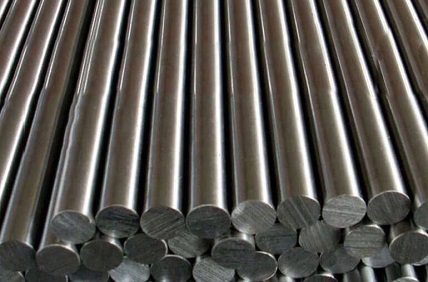
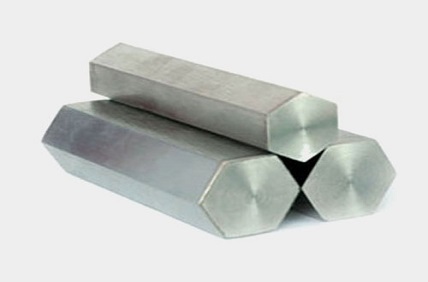
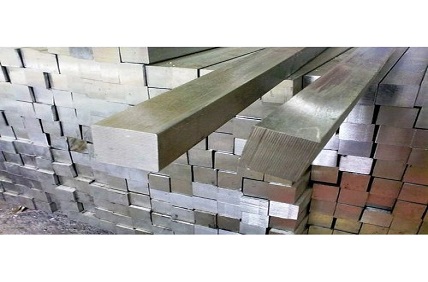
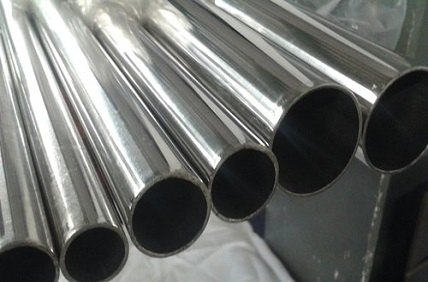
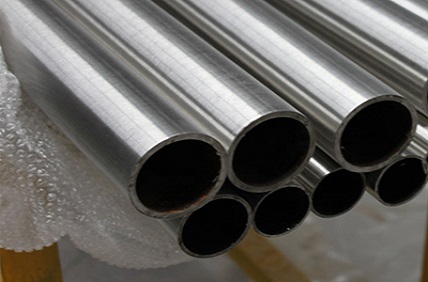
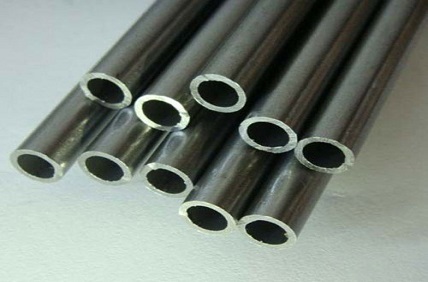
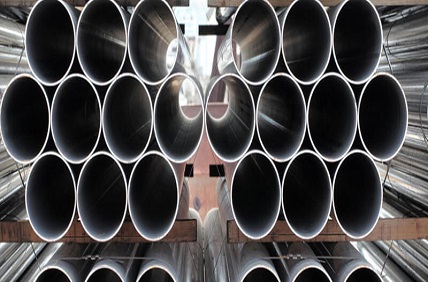
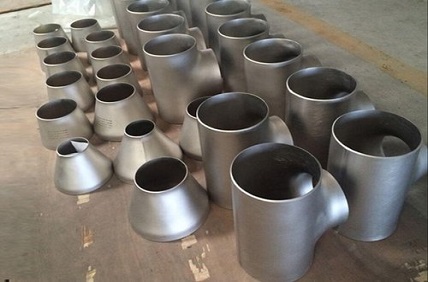
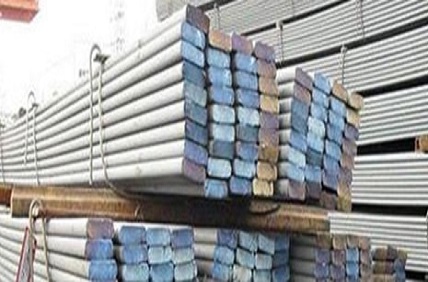
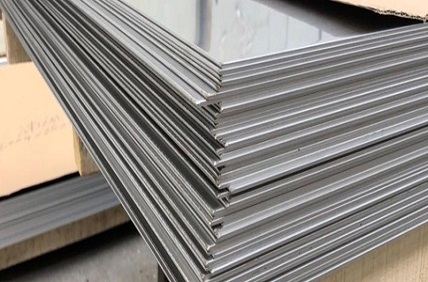
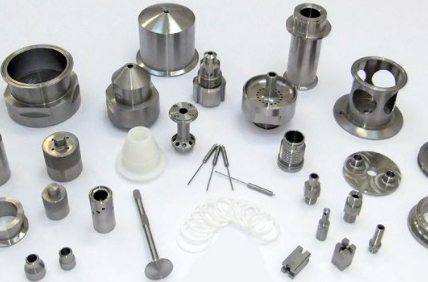
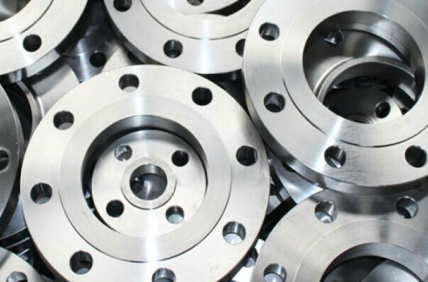
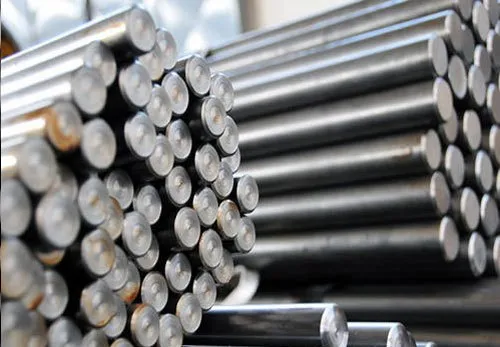
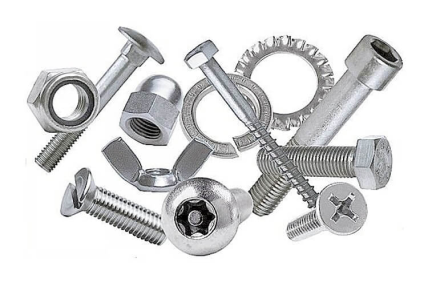
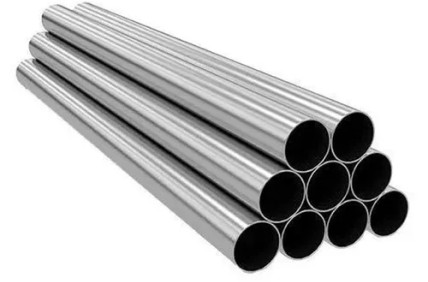
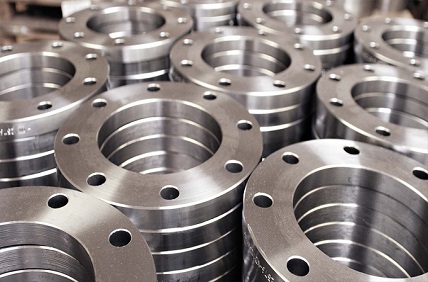
Choosing a Hastelloy grade usually starts with the process media. Lakshya Steel supplies Hastelloy products in C-22 and C-276 grades for equipment exposed to acids, chlorides, oxidising chemicals and other demanding process conditions. The available range includes flanges, rods, bars, hex bars, square bars, seamless and welded pipes, tubes, fittings, flat bars, sheets, plates and drawing-based components. Buyers can review Hastelloy C-22 products or send the required grade, product form, size, standard, quantity and testing requirement through the request-a-quote form for a product-specific offer.

The correct selection depends on more than the alloy name. C-22 is often considered where resistance to oxidising and mixed chemical environments is important, while C-276 is widely specified for aggressive chemical processing, pollution-control and chloride-bearing service. Product standards also vary by form, so the specification for a plate, bar, seamless pipe or forged flange should be confirmed separately before ordering.

Hastelloy Products Available
What Are Hastelloy Products?

Hastelloy is a family of nickel-based alloys developed for corrosive and high-temperature environments. The chemistry differs by grade, which is why C-22 and C-276 should not be presented as interchangeable materials. Both belong to the nickel-chromium-molybdenum family, but the chromium, molybdenum, tungsten and iron balance gives each grade a different corrosion profile. Final selection should be based on the actual chemical concentration, contamination, temperature, pressure, fabrication route and design code.

Hastelloy C-22 and C-276 Grade Selection

Grade Designation Selection Characteristic Typical Use Buyer Caution
C-22 UNS N06022 Higher chromium than C-276; broad resistance to oxidising and non-oxidising chemicals, pitting, crevice attack and chloride stress corrosion cracking. Mixed chemical streams, chemical-process equipment, reactors, heat exchangers and columns where oxidising contaminants may be present. Confirm exact process chemistry and temperature. Do not select from a generic corrosion claim alone.
C-276 UNS N10276 Nickel-chromium-molybdenum-tungsten alloy with broad chemical-process history and resistance to chloride-bearing and sour environments. Reactors, heat exchangers, columns, pollution-control equipment, acid service and selected oilfield duties. Review reducing and oxidising conditions, contaminants, weld condition and service temperature.
B-type grades Grade must be confirmed B-type alloys are selected mainly for reducing-acid service and are not substitutes for C-type alloys. Pure reducing-acid duties may require B-2 or B-3 after a formal material review. Do not add B-2 or B-3 to the Lakshya product range until supply capability is confirmed.

Standards by Product Form

Product Form Primary Standard Scope Note
Sheets, plates and strip ASTM / ASME B575 / SB575 C-22 and C-276 flat products
Billets, rods and bars ASTM / ASME B574 / SB574 Rod, bar and billet requirements
Seamless pipes and tubes ASTM / ASME B622 / SB622 Seamless pipe and tube
Welded pipe ASTM / ASME B619 / SB619 Welded pipe
Welded tube ASTM / ASME B626 / SB626 Welded tube
Fittings ASTM / ASME B366 / SB366 Wrought fittings
Forged flanges and fittings ASTM / ASME B462 / SB462 Forged or rolled flanges, fittings and valves
Forgings ASTM / ASME B564 / SB564 Nickel-alloy forgings where applicable

Nominal Chemical Composition

Element Hastelloy C-22, wt.% Hastelloy C-276, wt.%
Nickel Balance, nominal 56 Balance, nominal 57
Chromium 22 16
Molybdenum 13 16
Tungsten 3 4
Iron 3 5
Cobalt 2.5 max. 2.5 max.
Manganese 0.5 max. 1.0 max.
Silicon 0.08 max. 0.08 max.
Carbon 0.01 max. 0.01 max.
Copper 0.5 max. 0.5 max.

Representative Room-Temperature Mechanical Properties

Grade Representative Form / Condition 0.2% Yield Strength Ultimate Tensile Strength Elongation
C-22 Plate, mill annealed 372 MPa 786 MPa 62%
C-22 Bar, mill annealed 359 MPa 765 MPa 70%
C-276 Sheet, mill annealed 356 MPa 792 MPa 61%
C-276 Plate, mill annealed 365 MPa 785 MPa 59%

Fabrication and Welding Guidance

  • Confirm the supplied condition and the heat-treatment requirement before fabrication. Wrought C-22 and C-276 products are normally supplied in the mill-annealed condition unless otherwise specified.
  • Use clean tools and handling practices that avoid contamination from carbon steel or other shop materials.
  • GTAW/TIG, GMAW/MIG and SMAW processes can be used with grade-compatible filler metals and qualified welding procedures.
  • Nickel alloys work harden during machining. Use rigid tooling, suitable carbide grades, positive feeds and adequate cooling.
  • Hot-formed or heavily cold-worked components may require re-annealing to restore corrosion performance. The final route should follow the alloy producer and project specification.

Industries We Serve

Industry Typical Components Why Hastelloy Is Considered
Chemical processing Reactors, columns, mixers, transfer piping, heat exchangers and acid-handling components. Broad resistance to aggressive chemical media, subject to process review.
Pollution control Scrubbers, ducting, absorbers and flue-gas desulfurisation equipment. Resistance to chloride-bearing condensates and mixed acid environments.
Oil and gas Selected sour-service, offshore, process-piping and high-corrosion components. Grade selection depends on H2S, chlorides, pressure, temperature and NACE requirements.
Pharmaceutical processing Vessels, piping and process components exposed to aggressive cleaning or process chemicals. Material choice depends on media, cleanability, surface finish and validation requirements.
Marine and desalination Seawater-exposed equipment, brine service and coastal process systems. High resistance to pitting and crevice corrosion in chloride-bearing media.
Pulp and paper Bleaching, chemical-recovery and process-equipment components. Resistance to mixed oxidising chemicals and chlorides, depending on duty.
Power and waste treatment Heat exchangers, scrubbers and waste-treatment equipment. Useful where stainless steels do not provide sufficient corrosion margin.

Testing and Documentation

Depending on the product form and project requirement, buyers may request:

  • Mill test certificate with heat-number traceability
  • Chemical and mechanical test results
  • Positive material identification (PMI)
  • Dimensional and visual inspection
  • Ultrasonic, hydrostatic or other product-form testing where applicable
  • EN 10204 certificate type and third-party inspection, subject to confirmation
  • Surface-finish and supplementary testing requirements stated in the purchase order

Information Required for a Hastelloy Quote

RFQ Field Information to Share
Alloy grade C-22 / UNS N06022 or C-276 / UNS N10276
Product form Pipe, tube, flange, fitting, rod, bar, sheet, plate, flat bar or component
Standard ASTM, ASME, EN or project specification
Dimensions OD, NB/NPS, schedule, wall thickness, plate thickness, width, length or drawing
Quantity Pieces, metres, kilograms or project quantity
Condition and finish Mill annealed, surface finish, machining allowance or other requirement
Testing and documentation MTC, PMI, inspection, NDT and certificate requirement
Delivery information Destination, required date and packing instructions

Related Material Options

Projects that do not require a C-type Hastelloy alloy may also be reviewed against Nickel 200/201 productsInconel productsMonel 400 and K500 products, or SMO 254 products. The final choice should be based on the process chemistry, temperature, pressure, mechanical requirement and project code rather than the alloy name alone.

Frequently Asked Questions About Hastelloy Products

What are Hastelloy products used for?
Hastelloy products are used in chemical-processing, pollution-control, marine, pharmaceutical, oil and gas, pulp and paper, and waste-treatment equipment. Typical components include pipes, tubes, heat exchangers, reactors, columns, flanges, fittings, plates and machined parts. The correct grade depends on the chemicals present, their concentration, operating temperature, pressure and fabrication route.
What is the difference between Hastelloy C-22 and C-276?
Both are nickel-chromium-molybdenum alloys, but their chemistry gives them different corrosion profiles. C-22 contains more chromium and is often considered for oxidising or mixed chemical environments. C-276 has a long record in broad chemical-process and chloride-bearing service. Selection should be confirmed against the actual media and temperature.
Which ASTM standards apply to Hastelloy products?
The standard depends on the product form. ASTM B575 covers sheet, plate and strip; B574 covers rod and bar; B622 covers seamless pipe and tube; B619 covers welded pipe; B626 covers welded tube; B366 covers fittings; and B462 covers forged flanges and fittings. The purchase order should identify the exact grade and standard.
Can Hastelloy C-22 and C-276 be welded?
C-22 and C-276 can be welded using qualified GTAW/TIG, GMAW/MIG and SMAW procedures with compatible filler metals. Cleanliness, heat input, joint preparation and post-forming condition affect the finished component. Fabricators should follow the relevant welding procedure, alloy-producer guidance and project code.
What information is needed for a Hastelloy quotation?
Share the alloy grade, product form, ASTM or ASME standard, dimensions, quantity, condition, surface finish, testing, certificate requirement and delivery destination. For fabricated parts, include a drawing and service details. This allows the supplier to review material availability, manufacturing route and documentation before issuing a quotation.
Our Latest Blogs
Enquire Now
close slider

    Enquire Now

    Need pricing or technical specs?

    [hidden post-url default:shortcode[_post_url]]

    Fill the Captcha