
Stainless Steel Products Supplier in India
Lakshya Steel supplies stainless steel sheets, plates, pipes, tubes, bars and fittings in grades suited to fabrication, corrosion resistance and high-temperature service.Home »
Stainless steel is not one material that works for every job. A grade used for general fabrication may not be suitable for a marine system, chemical plant or high-temperature application. The choice depends on where the material will be used, what it will come into contact with and whether it needs to be welded, formed or machined.
Grades such as 304, 316, 310 and 321 have different properties and uses. For example, 304 is commonly used for general fabrication, while 316 may be preferred in certain chloride or process environments. Grade 310 is generally considered for heat-related applications, and 321 is used where welded components may be exposed to higher temperatures. Buyers should therefore check the complete grade, standard and service requirement instead of selecting stainless steel only by a familiar grade name.
Lakshya Steel supplies stainless steel sheets, plates, pipes, tubes, bars, flanges, fittings and fabricated components for industrial and project requirements. Share the required grade, dimensions, quantity, finish and testing details with our team for a suitable product recommendation and quotation.
Stainless Steel Products Lists
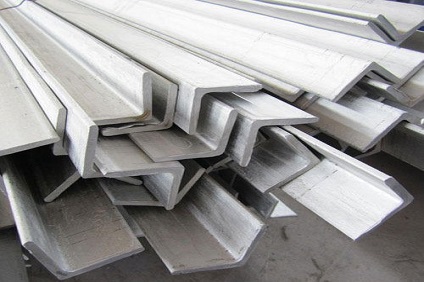
Stainless Steel 202 Products
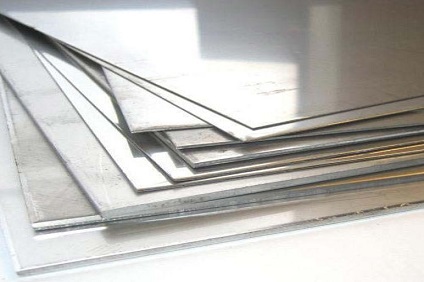
Stainless Steel 301 Products
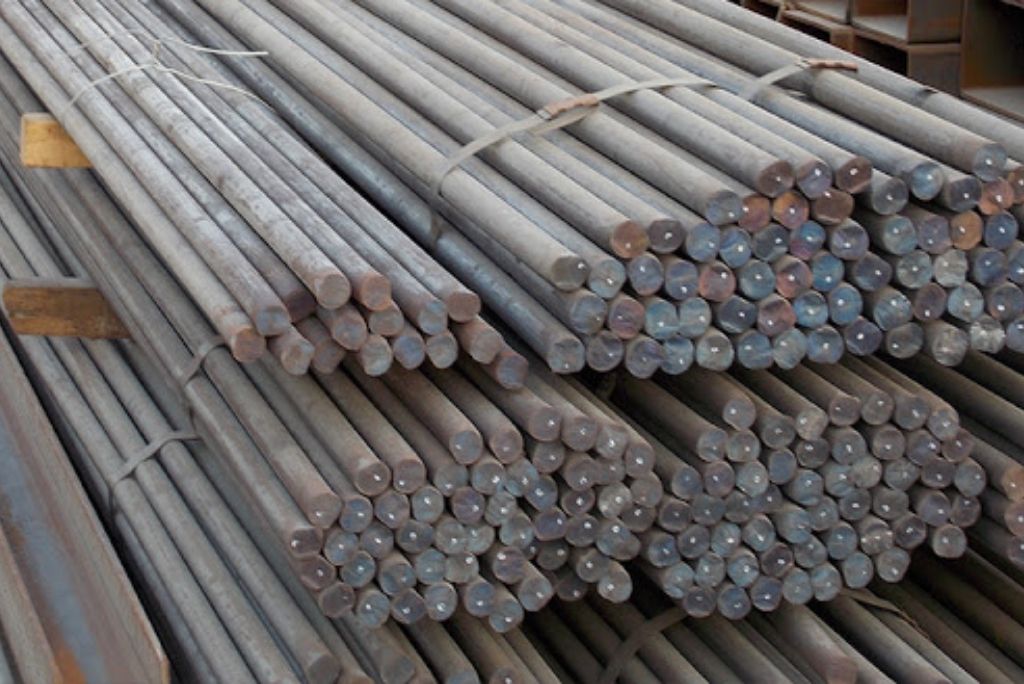
Stainless Steel 303 Products
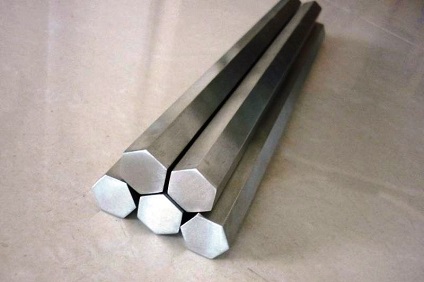
Stainless Steel 304 Products
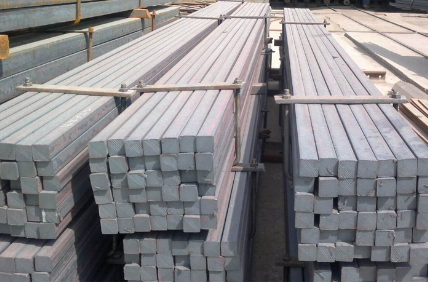
Stainless Steel 309 Products
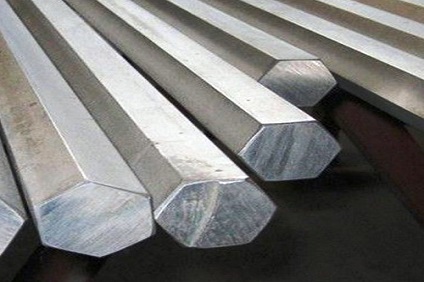
Stainless Steel 310 Products
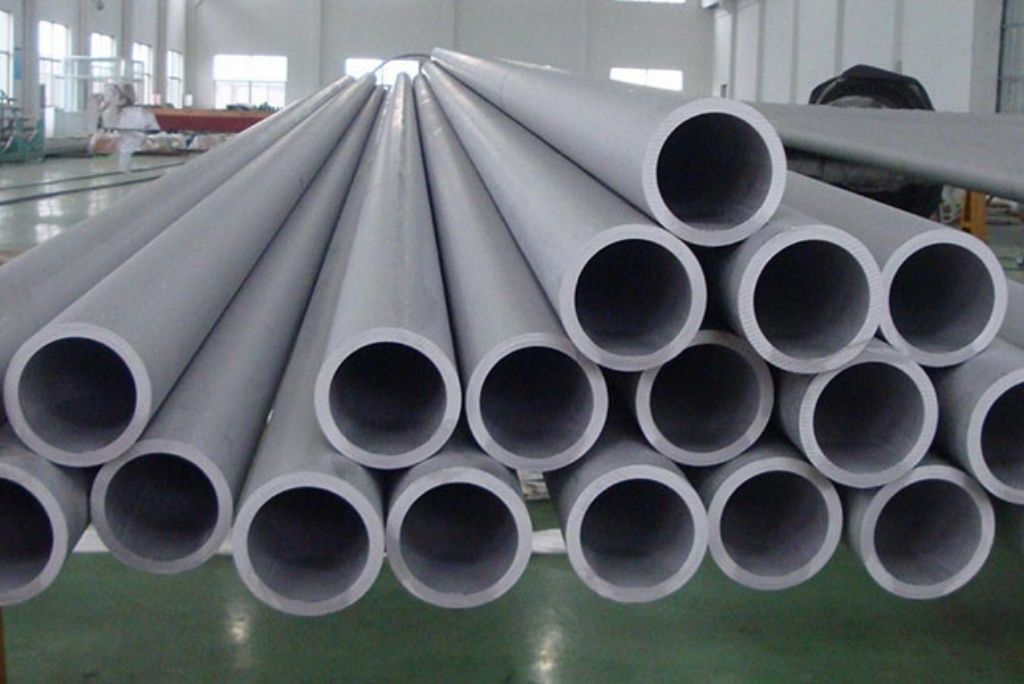
Stainless Steel 316 Products
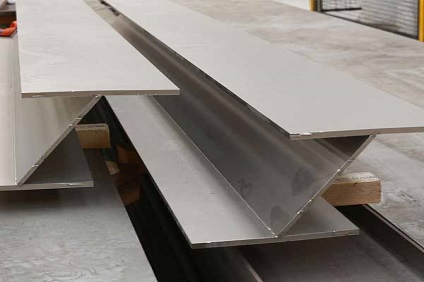
Stainless Steel 317L Products
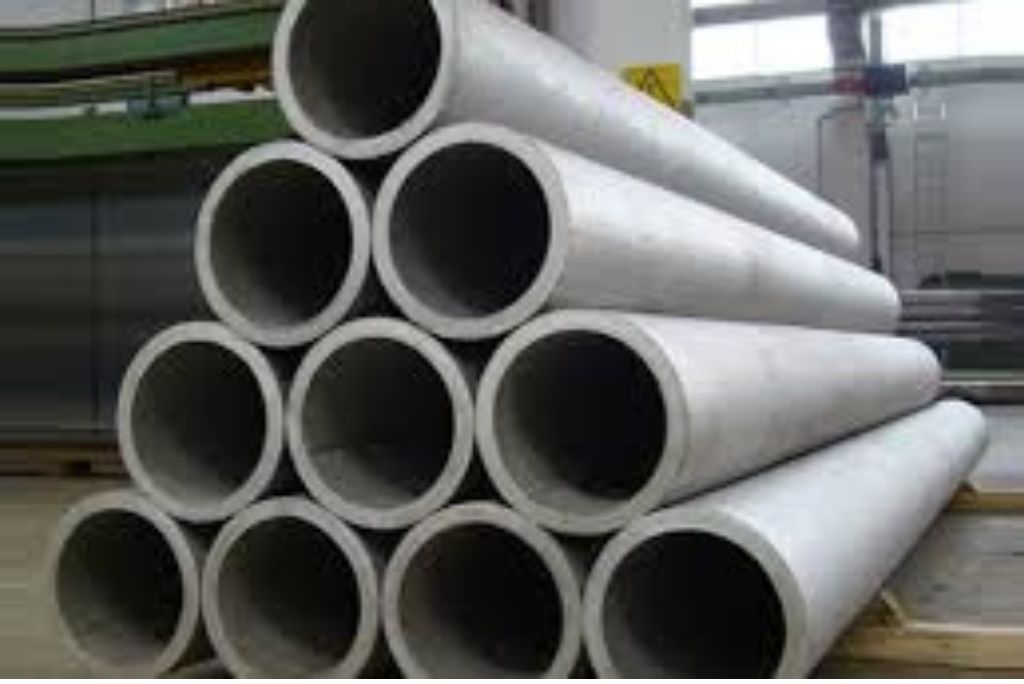
Stainless Steel 321 / 347 Products
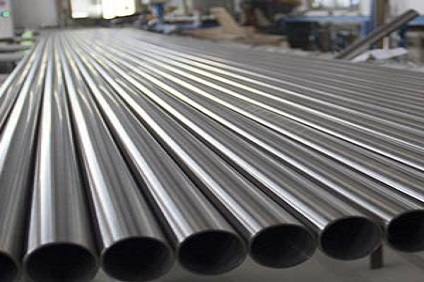
Stainless Steel 409 / 410 / 430 / 431 / 439 / 441 Products
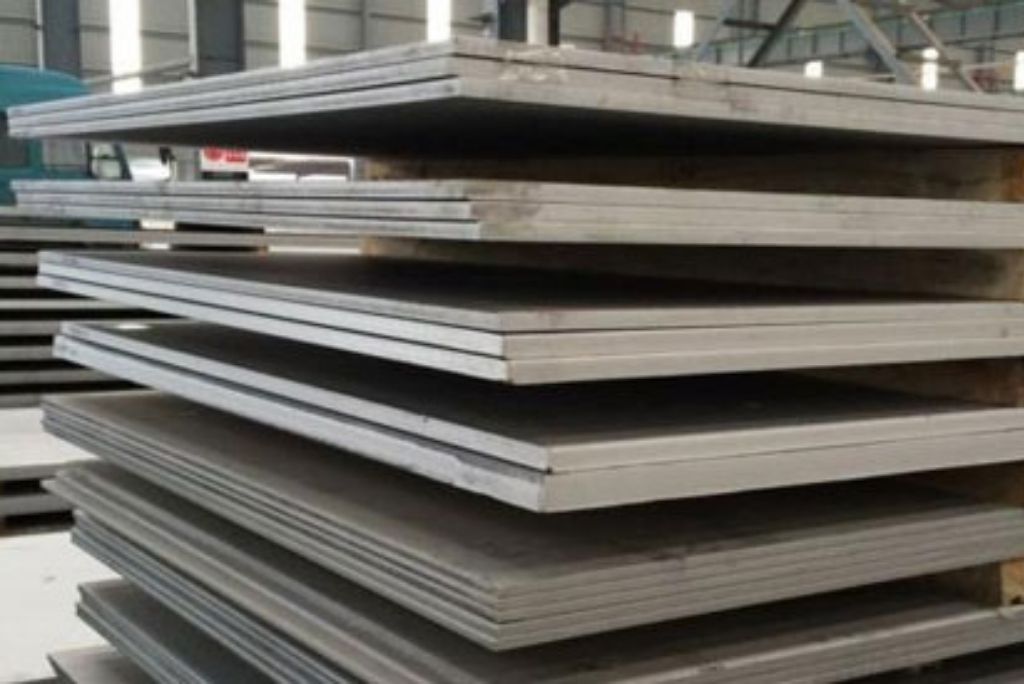
Stainless Steel 416 / 440C / 446 Products
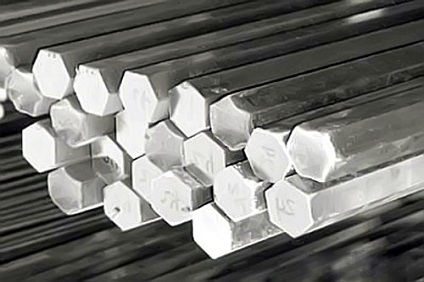
Stainless Steel 420 / 420B/ 420C Products
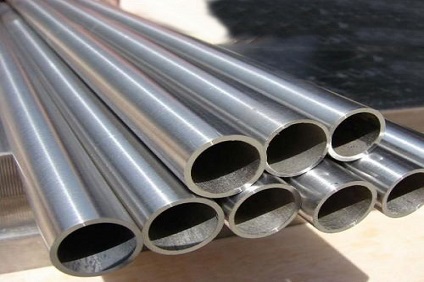
Stainless Steel 904L Products
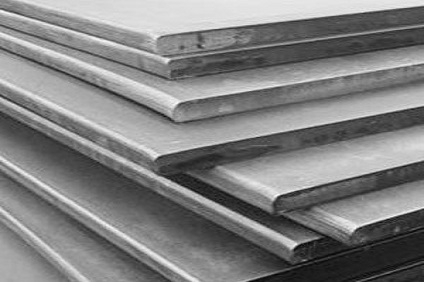
Stainless Steel 201 / J1 /J2 / J3 / J4 / 204CU / JSL AUS / JSL USD / JSL UDD Products
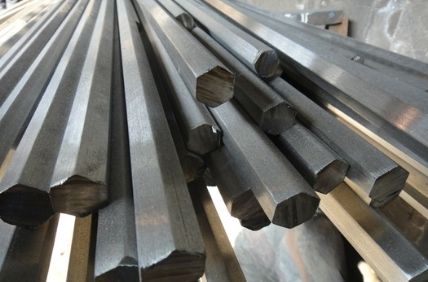
Precipitation Hardened Stainless Steel 11-10 PH / 13-8 PH/ 15-5 PH / 17-4 PH / 17-7 PH / 08X14H7M / Custom 450 and 465 Products
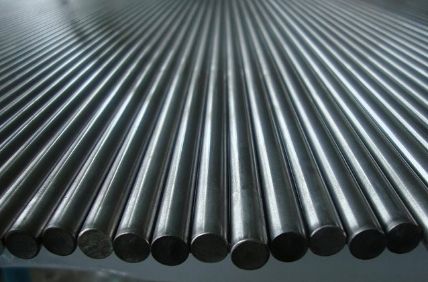
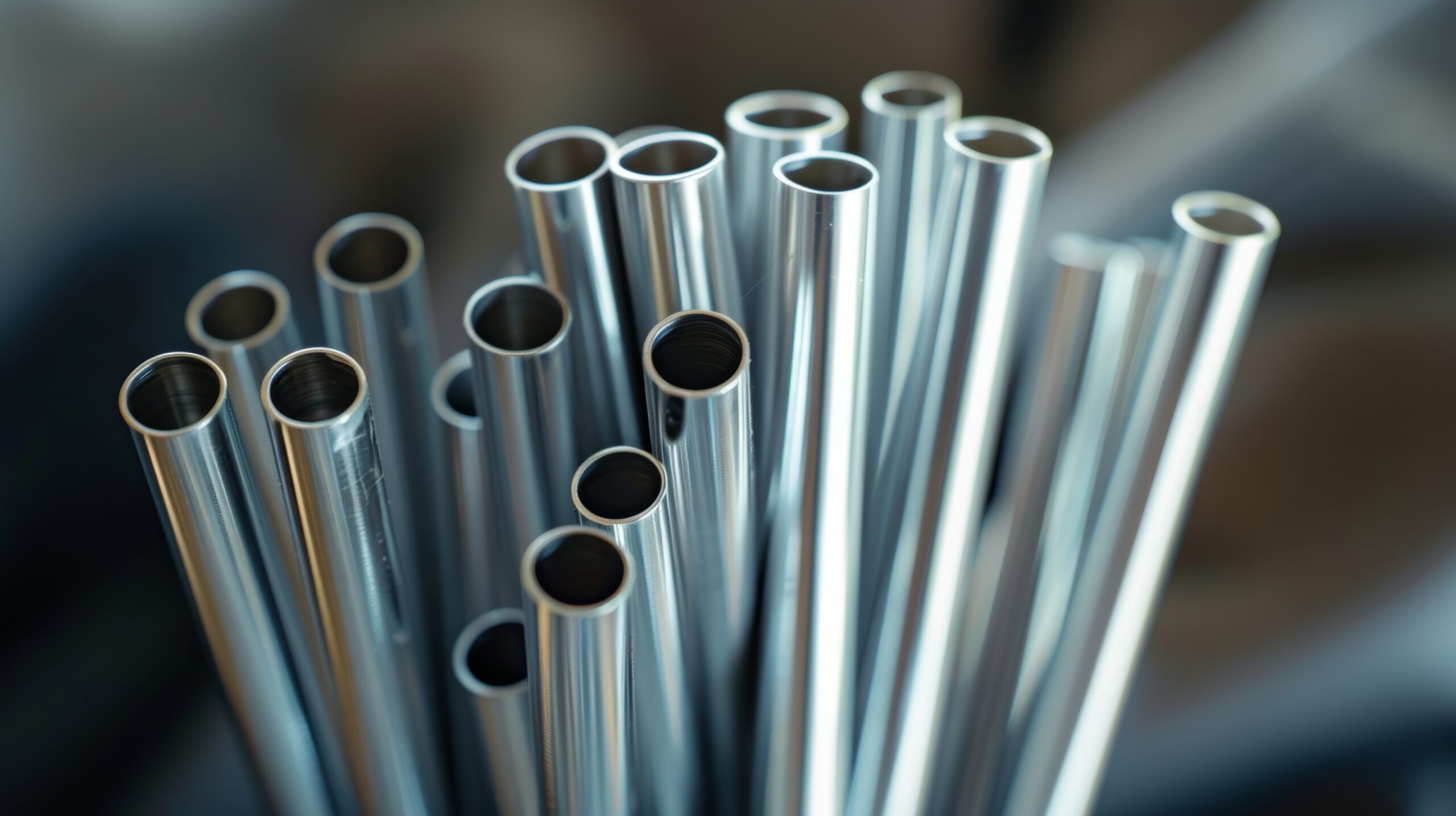
Stainless Steel Bright Annealed Tubes
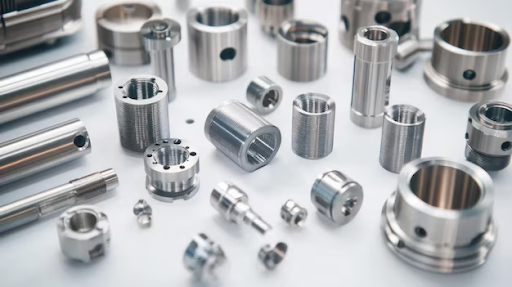
Stainless Steel Components
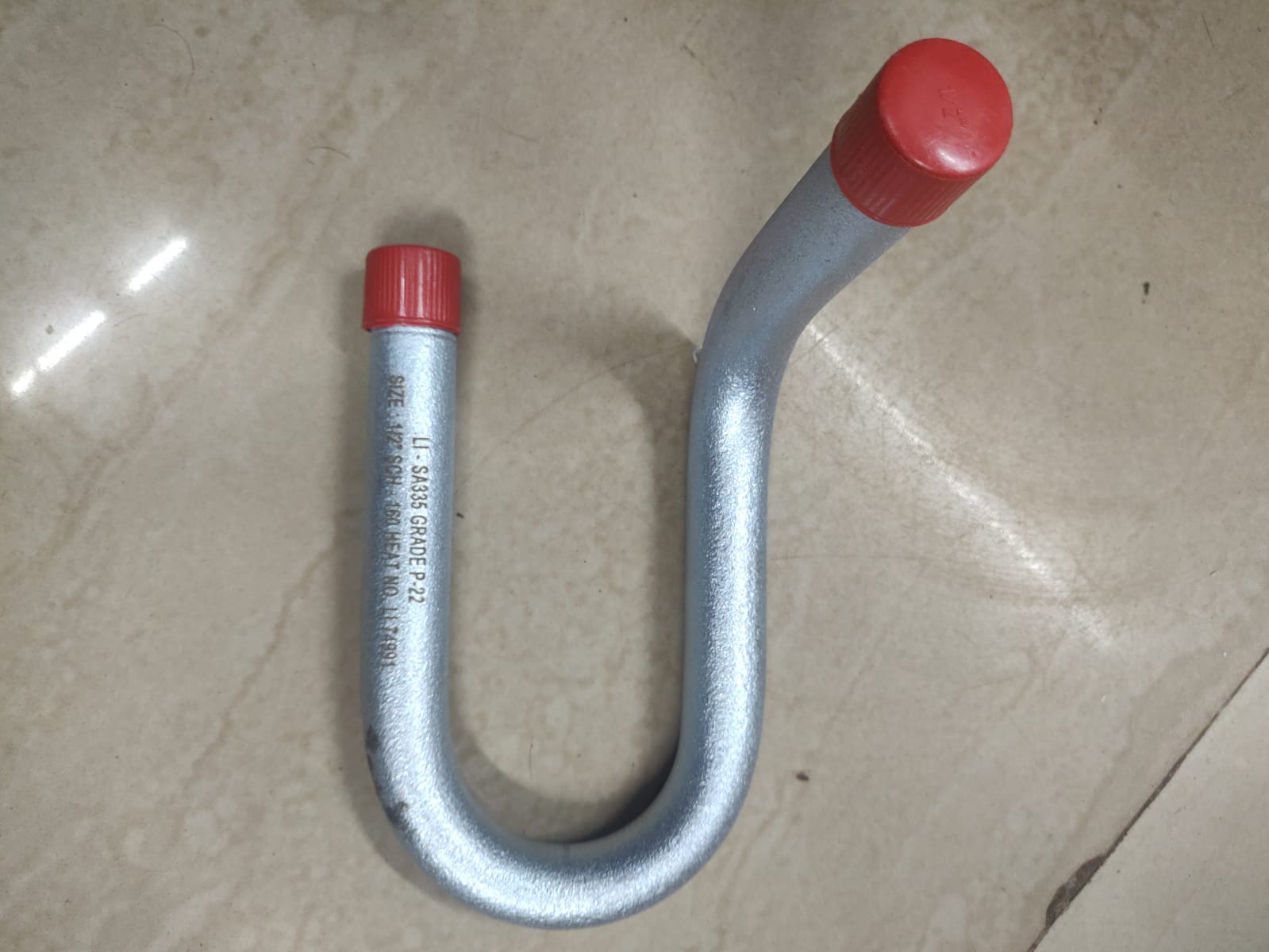
Stainless Steel Siphon
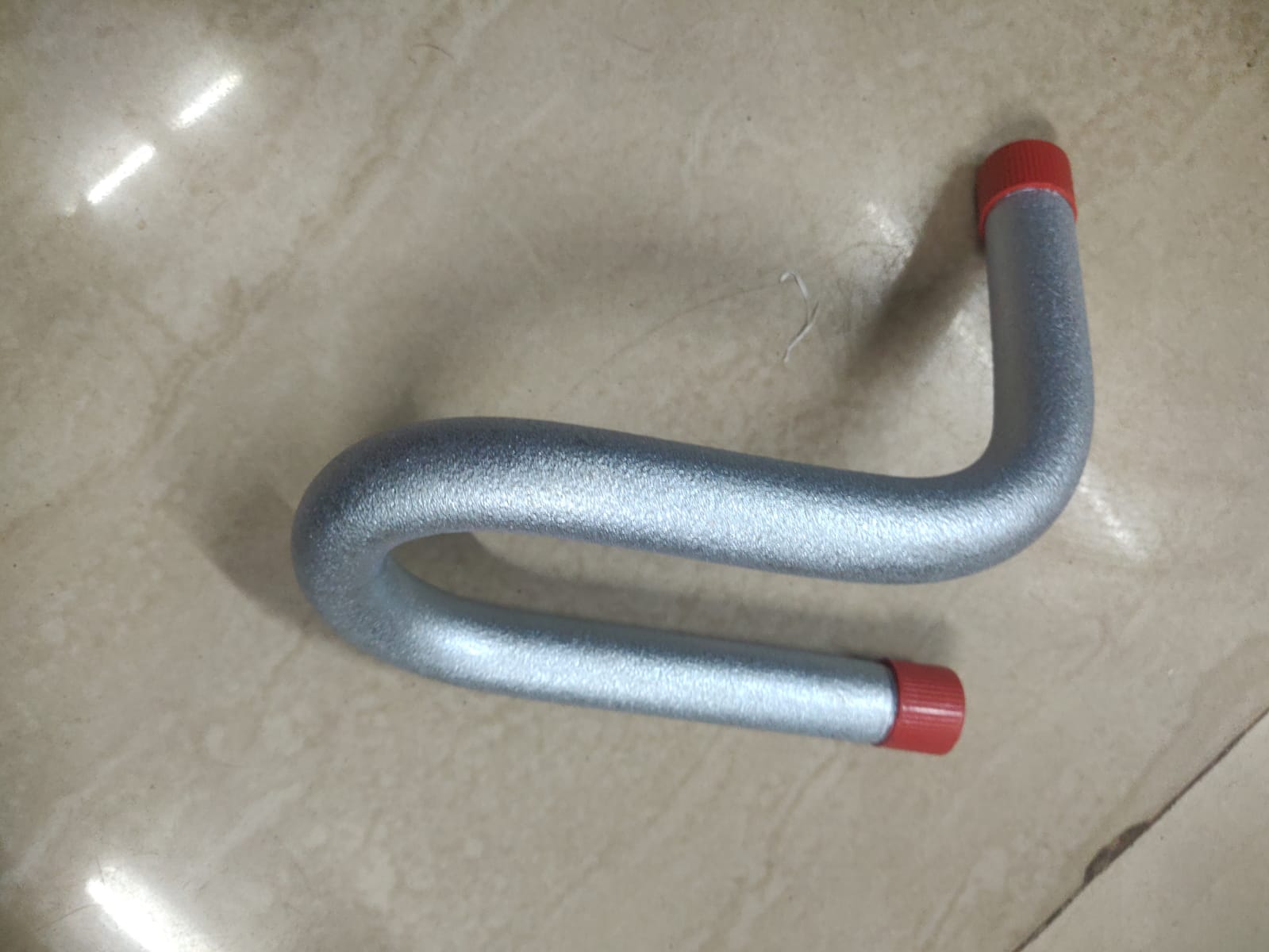
Stainless Steel Syphon Pipes & Tubes
Stainless Steel Product Range
| Product / Grade | Buyer Use |
| Stainless steel 304 products | General-purpose austenitic grade across many product forms. |
| Stainless steel 316 products | Molybdenum-bearing grade for selected chloride and process environments. |
| Stainless steel 310 products | Heat-resistant grade family for elevated-temperature components. |
| Stainless steel 321 and 347 products | Stabilized grades for welded and heat-exposed service. |
| Stainless steel 904L products | High-alloy austenitic grade for selected severe corrosion duties. |
| PH stainless steel products | 15-5PH, 17-4PH and 17-7PH products with condition-dependent strength. |
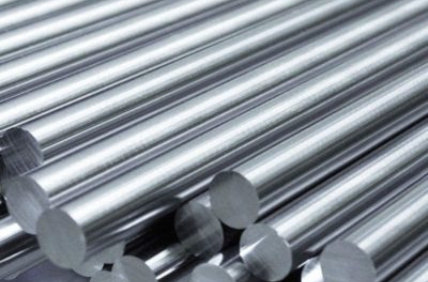
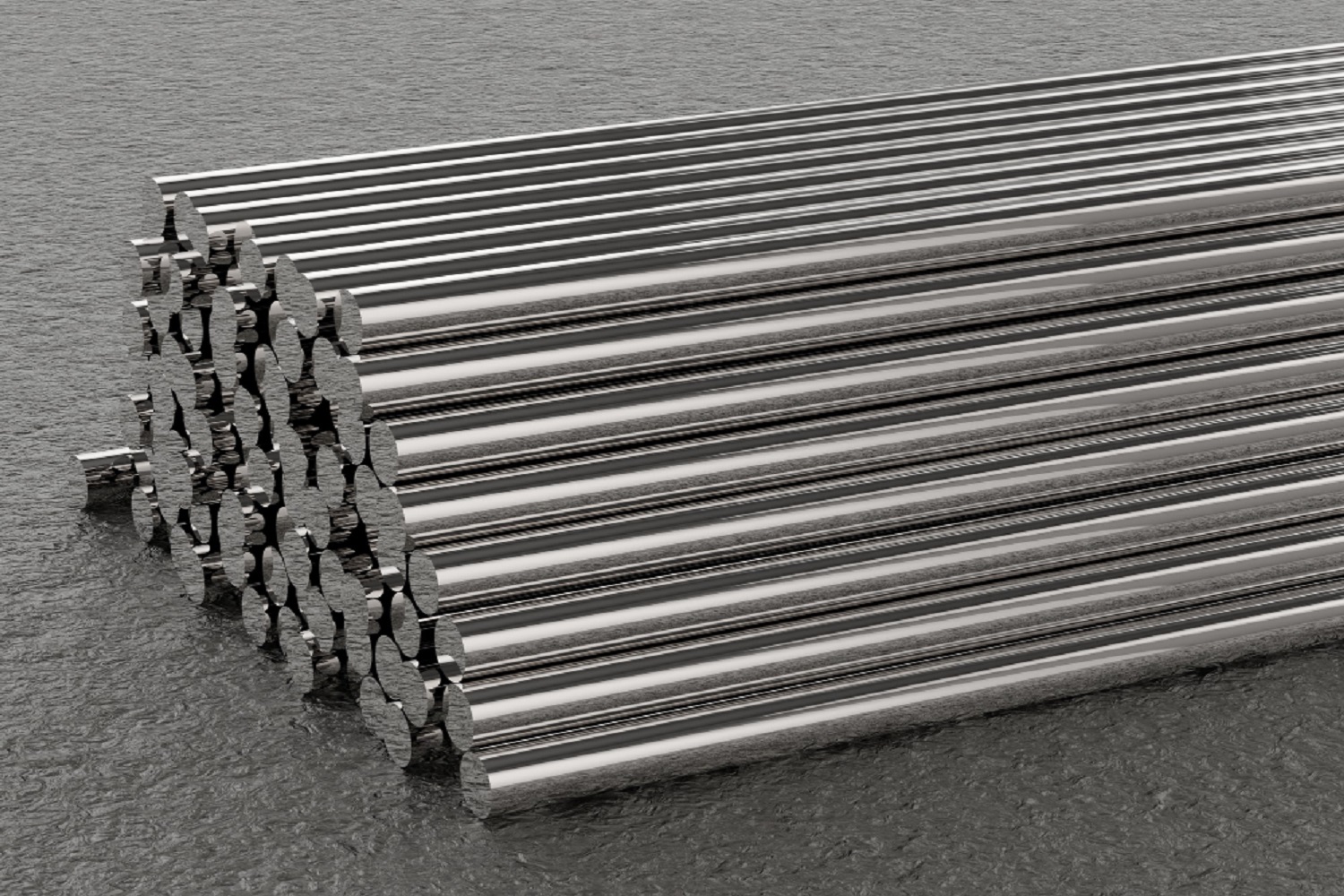
| Stainless steel bars and rods | Round and shaped bars for machining and fabrication. |
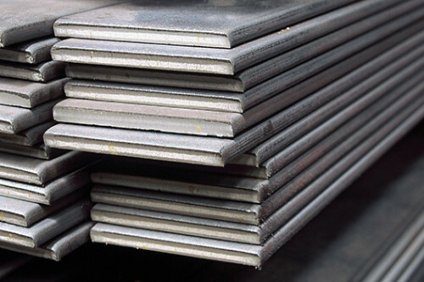
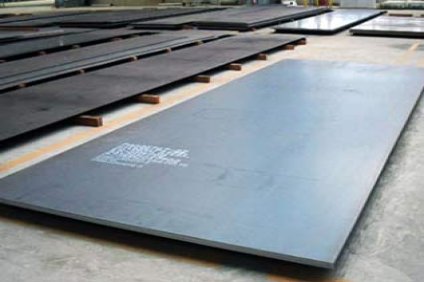
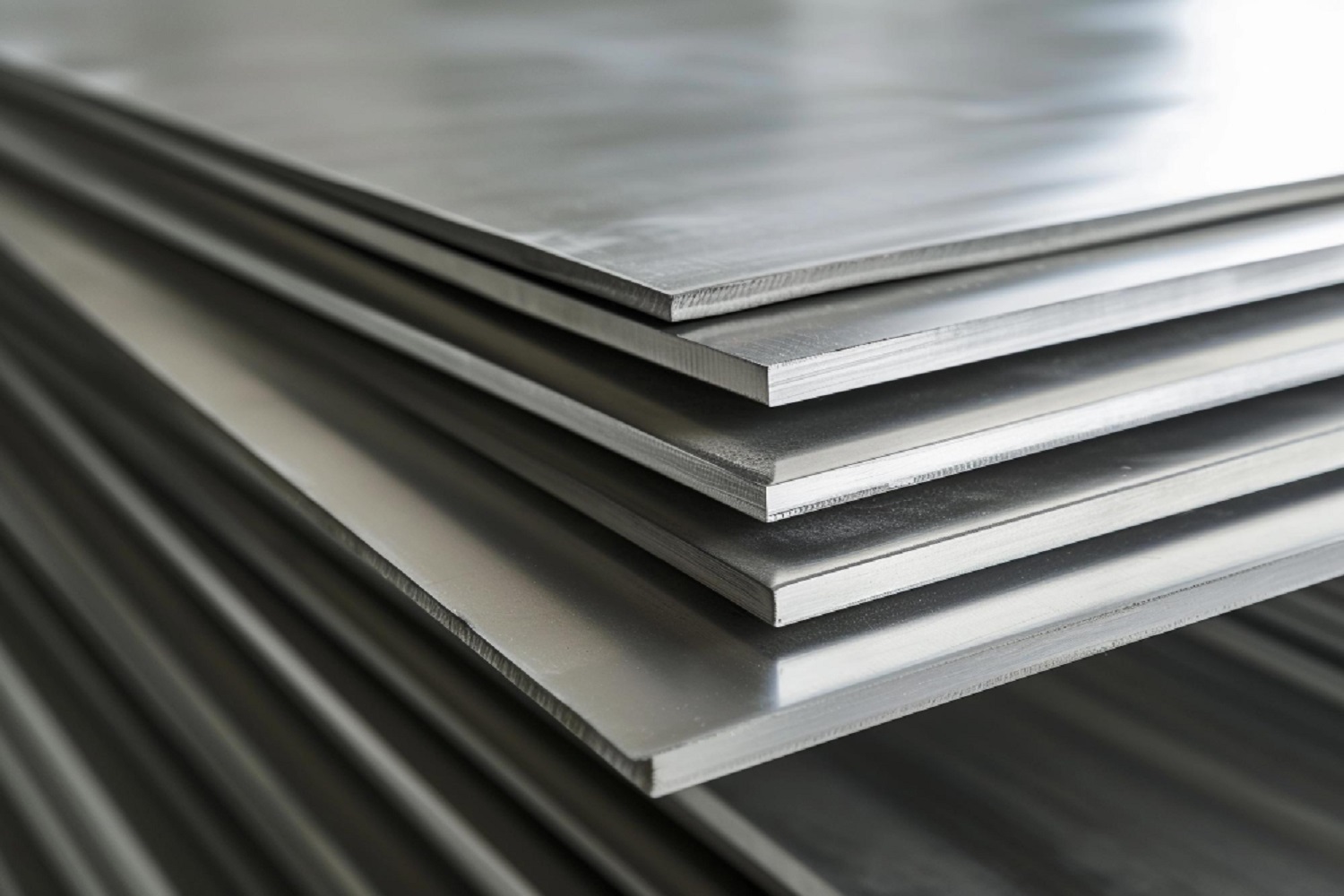
| Stainless steel sheets and plates | Flat products selected by grade, thickness, finish and standard. |
Material and Grade Selection Guide
| Option | Reference / Composition Basis | Choose It When | Selection Caution |
| Austenitic | 202, 304, 316, 317L, 321, 347, 904L | Formability, weldability and broad corrosion resistance | Grade 316 or higher alloy is not automatically suitable for every chloride or acid service. |
| Ferritic | 409, 430, 439, 441, 446 | Magnetic grades for appliances, exhaust and selected heat service | Weldability and toughness vary by grade and thickness. |
| Martensitic | 410, 420, 440C | Heat-treatable strength, hardness and wear resistance | Corrosion resistance is lower than common austenitic grades. |
| Precipitation hardening | 15-5PH, 17-4PH, 17-7PH | High strength with condition-dependent properties | Purchase order must state heat-treatment condition. |
| Duplex and super duplex | 2205, 2507, S32760 | Higher strength and chloride stress-corrosion resistance | Use the dedicated duplex pillar and qualified welding guidance. |
Standards by Product Form
| Product Form | Common Reference | What to State in the Enquiry |
| Plate, sheet and strip | ASTM A240 / ASME SA240; EN 10088-2 | Grade, thickness, finish and dimensions |
| Bars and shapes | ASTM A276 / A479; EN 10088-3 | Grade, condition, section and tolerance |
| Pipe | ASTM A312 / A358, depending on construction | NPS, schedule, grade, ends and testing |
| Tube | ASTM A213 / A249 / A269, depending on service | OD, wall, length, heat treatment and testing |
| Forged flanges | ASTM A182 | Grade, type, class, facing and heat treatment |
| Butt-weld fittings | ASTM A403 | Grade, type, schedule and dimensions |
How to Select the Right Product Form
- Use pipe and tube pages when the enquiry is controlled by OD or NPS, wall thickness, schedule, construction method and pressure or heat-transfer service.
- Use plate and sheet pages when thickness, width, length, finish, forming and fabrication are the main buying variables.
- Use bar pages when diameter or section, condition, tolerance, machining and heat treatment control the requirement.
- Use flange and fitting pages when the design is controlled by size, pressure class, facing, schedule, joint type and piping code.
- Use component pages for drawing-based parts with defined tolerances, inspection and end-use information.
Industries We Serve
- Chemical and petrochemical: Pipes, plates, flanges and equipment selected by chemical compatibility, pressure and temperature.
- Food and pharmaceutical: Sheets, tubes and fabricated equipment where surface finish, cleaning and grade control are important.
- Marine and desalination: 316, duplex and higher-alloy grades for selected chloride-bearing systems after service review.
- Automotive and transport: Ferritic exhaust grades, structural components and decorative products.
- Power and heat treatment: Heat-resistant and stabilized grades for furnace, boiler and thermal equipment.
- Architecture and construction: Sheets, sections, bars and components selected for finish, corrosion exposure and structural requirements.
Prepare a Clear Enquiry
- Material or grade
- Product form and governing standard
- Dimensions, thickness, wall, schedule, section or pressure class
- Quantity and length
- Condition, temper, heat treatment or finish
- Testing, certificate and inspection requirement
- Drawing and tolerances for components
- Delivery destination and end use
Frequently Asked Questions
1. How do I choose the correct stainless steel grade?
Start with the process medium, chloride level, temperature, required strength, fabrication route, cleaning requirement and product form. Grade 304 suits many general uses, 316 adds molybdenum for selected chloride exposure, stabilized grades address heat-affected service and duplex grades provide higher strength. Confirm the choice against the governing standard.
2. What is the difference between austenitic, ferritic and martensitic stainless steel?
Austenitic grades are generally formable and weldable with broad corrosion resistance. Ferritic grades are magnetic and often used in appliances, exhaust and heat-related applications. Martensitic grades can be heat treated for hardness and strength. Their corrosion, toughness and fabrication characteristics differ, so family names are not interchangeable.
3. Which standards cover stainless steel products?
Common references include ASTM A240 for flat products, A276 or A479 for bars, A312 for pipe, A213 or A249 for tube, A182 for forged flanges and A403 for butt-weld fittings. The complete grade, product form, dimensions, condition and testing must be stated.
4. Is 316 stainless steel always better than 304?
No. Grade 316 offers improved resistance in some chloride and process environments because of molybdenum, but it is not universally required or immune to corrosion. Grade 304 may be more suitable for many general applications. Selection should consider environment, cleaning, fabrication, availability and lifecycle cost.
5. What documents should be requested with stainless steel products?
Depending on the project, request a mill test certificate, heat-number traceability, chemical and mechanical results, PMI, intergranular-corrosion testing, dimensional inspection, surface-finish records and third-party inspection. The required documentation should be agreed before quotation and linked to the product standard.
Request A Quote
