
Nickel Products
At Lakshya Steel, we specialize exclusively in the supply and export of premium-grade nickel products with a strong focus on Nickel 200, Nickel 201 and high-performance nickel alloys. Known for their exceptional corrosion resistance, thermal conductivity and mechanical strength, these materials are essential in industries like chemical processing, marine engineering and high-temperature manufacturing. With 14 years of hands-on expertise and a commitment to metallurgical excellence, we ensure our nickel solutions meet the highest global standards for quality and reliability.
Nickel Products Manufacturer & Supplier in India
Nickel Products, Nickel Products Manufacturers, Nickel Manufacturers In India, Nickel Products Suppliers, Nickel Products Lists, Nickel Grades, Nickel Composition, Nickel 200, Nickel 201, Nickel Products Exporter, Nickel Flanges, Nickel Rods, Nickel Pipes, Nickel Fittings, Nickel Plates, Nickel Tubes
At Lakshya International, our nickel products don’t just fill a spec sheet, they fuel industries. From high-purity Nickel 200 and 201 to complex nickel alloy components, every product is a result of precision, purpose, and performance. We understand the stakes in environments where failure isn’t an option and that’s exactly where our materials shine.
Whether you’re reinforcing a chemical processing plant, outfitting marine-grade systems, or engineering for high-temperature resistance, our nickel offerings are tested to outperform. And with a diverse range of products not limited to nickel piping products including pipes, rods, fittings, plates, flanges, tubes and custom components, we give you more than just materials – we give you confidence.
Explore our range of nickel grades and compositions to find the perfect solution for your project needs. With Lakshya International, you can expect nothing but excellence in both product quality and customer service.Contact us today for more information.
Nickel Products Lists
Our inventory features a broad and precisely engineered range of nickel products designed to meet critical industrial demands. From corrosion-resistant Nickel 200/201 rods, bars and hex bars, to high-strength seamless and welded pipes, pipe fittings, tubes and precision flanges each product in our list is manufactured to deliver mechanical integrity and long-term performance.
Whether you’re involved in fabrication, fluid transfer, structural frameworks or thermal systems, our nickel products list is built to support versatile and high-performance applications. Every component is crafted with tight tolerances and reliable chemical composition to ensure compatibility and durability in extreme conditions.
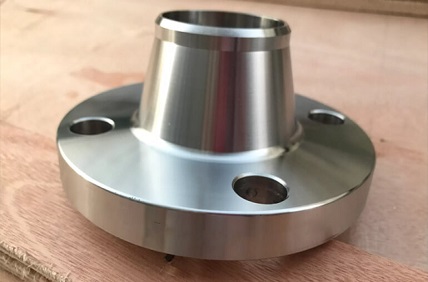
Nickel 200 / 201 Flanges
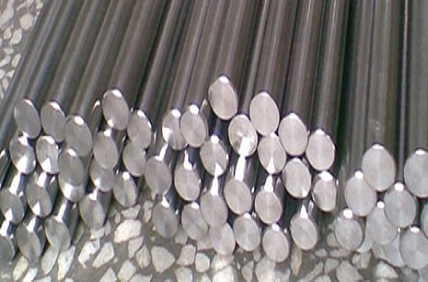
Nickel 200 / 201 Rod & Bar
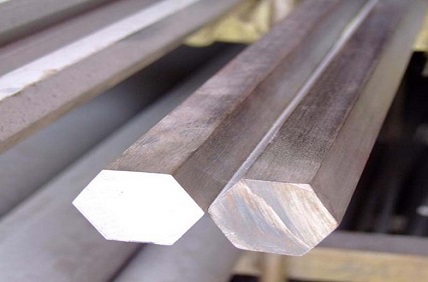
Nickel 200 / 201 Hex Bar
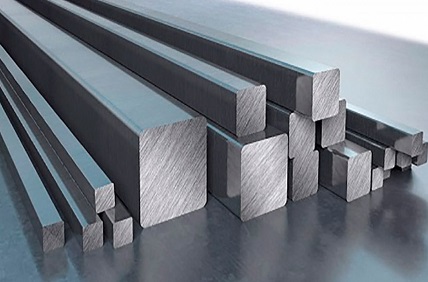
Nickel 200 / 201 Square Bar

Nickel 200 / 201 Seamless Pipes
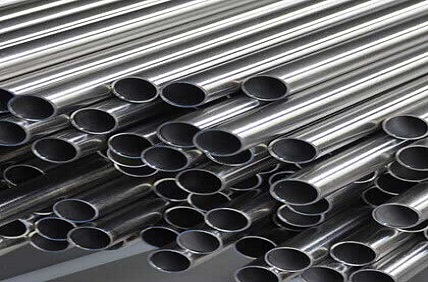
Nickel 200 / 201 Welded Pipes
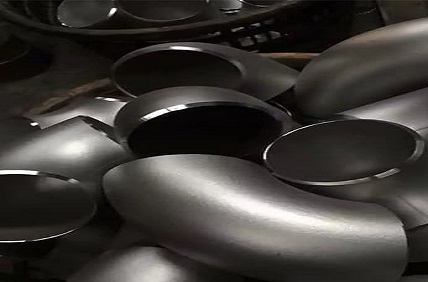
Nickel 200 / 201 Pipe Fittings
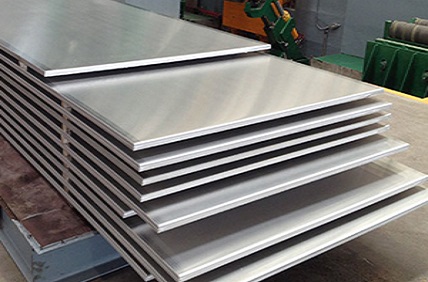
Nickel 200 / 201 Plates
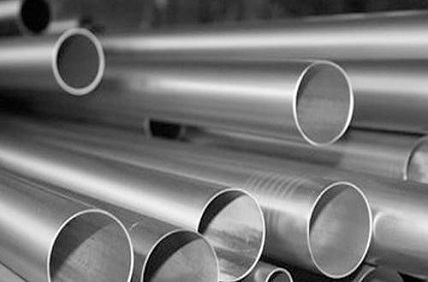
Nickel 200 / 201 Welded Tubes
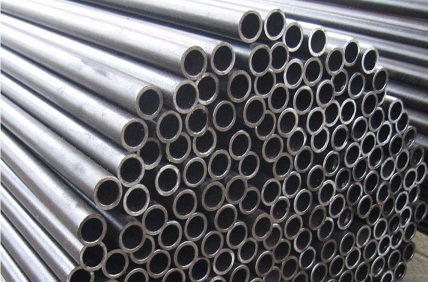
Nickel 200 / 201 Seamless Tubes
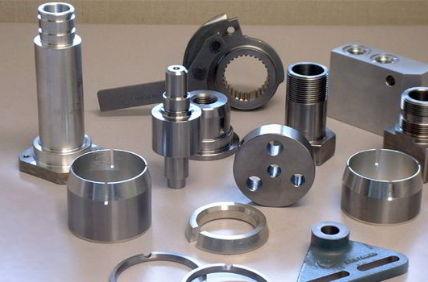
HIGH NICKEL ALLOY 15-5PH/17-4 PH/17-7PH Components
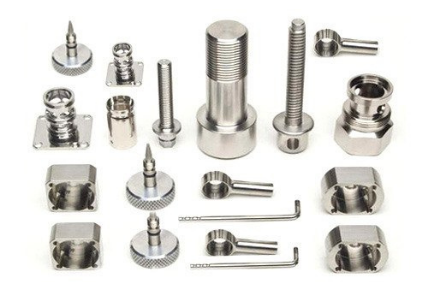
Nickel 200 / 201 Components
Nickel 200 / 201 Chemical Composition
The nickel chemical composition of grades 200 and 201 plays a vital role in determining their mechanical strength, corrosion resistance and thermal performance. Below is the standard composition:
| Element | Nickel 200 (%) | Nickel 201 (%) |
| Nickel (Ni) | ≥ 99.0 | ≥ 99.0 |
| Carbon (C) | ≤ 0.15 | ≤ 0.02 |
| Iron (Fe) | ≤ 0.40 | ≤ 0.40 |
| Manganese (Mn) | ≤ 0.35 | ≤ 0.35 |
| Silicon (Si) | ≤ 0.35 | ≤ 0.35 |
| Sulfur (S) | ≤ 0.01 | ≤ 0.01 |
| Copper (Cu) | ≤ 0.25 | ≤ 0.25 |
Mechanical Properties of Nickel Alloy 200 / 201 Grade
Nickel Alloy 200 and 201 are known for their outstanding mechanical strength, ductility, and performance stability across a wide temperature range. Below is an overview of the typical mechanical properties of these grades:
| Property | Nickel 200 | Nickel 201 |
| Tensile Strength (MPa) | 340 min | 340 min |
| Yield Strength (0.2% Offset) (MPa) | 105 min | 105 min |
| Elongation (% in 50mm) | 45 min | 45 min |
| Hardness (Rockwell B) | 60 max | 60 max |
| Modulus of Elasticity (GPa) | ~207 | ~207 |
| Melting Point (°C) | 1446 | 1446 |
The primary difference lies in their carbon content, Nickel 201 has a lower carbon content, making it better suited for applications involving higher temperatures where graphitization must be avoided.
Nickel Alloy Equivalent Grades
Below is a table showcasing the equivalent grades of Nickel 200 and Nickel 201 as per international standards:
| Standard | Nickel 200 Equivalent | Nickel 201 Equivalent |
| UNS | N02200 | N02201 |
| ASTM | B160, B161, B162, B366 | B160, B161, B162, B366 |
| Werkstoff (Germany) | 2.4066 | 2.4068 |
| EN / DIN | Ni 99.2 | LC-Ni 99 |
| JIS (Japan) | NW 2200 | NW 2201 |
| BS (UK) | NA11 | NA12 |
| AFNOR (France) | N-100M | N-100L |
| ISO | Ni99.2 | Ni99.2 |
Understanding these nickel alloy equivalent grades ensures better decision-making in global sourcing, engineering compatibility and compliance with international codes and project specifications.
Nickel 200 vs Nickel 201
Nickel 200 and Nickel 201 are both commercially pure wrought nickel alloys, with minimum 99.6% nickel content. Nickel 200 contains a slightly higher carbon level, while Nickel 201 is the low-carbon variant designed specifically to reduce the risk of embrittlement under high temperatures. Here’s the brief comparison:
| Property | Nickel 200 | Nickel 201 |
| Carbon Content | ≤ 0.15% | ≤ 0.02% |
| Melting Point | 1446°C (2635°F) | 1446°C (2635°F) |
| Electrical Conductivity | High | High |
| Thermal Stability | Moderate (prone to graphitization) | Excellent (resists graphitization) |
| Recommended Use Cases | General industrial, marine, chemical | High-temp chemical & nuclear settings |
Nickel 200 / 201 Melting Point & Thermal Characteristics
Nickel 200, a commercially pure wrought nickel (minimum 99.6%), is prized for its high melting point of 1446°C (2635°F) and exceptional thermal stability. These properties make it highly suitable for demanding industrial environments. Refer to the table below for a quick overview of Nickel 200’s key thermal characteristics and related specifications.
| Property | Value |
| Melting Point (°C) | 1446°C |
| Melting Point (°F) | 2635°F |
| Thermal Conductivity | 90.7 W/m·K |
| Specific Heat Capacity | 0.444 J/g·K |
| Density | 8.89 g/cm³ |
| Modulus of Elasticity | ~207 GPa |
Nickel Alloy 200 / 201 Machinability
Nickel 200 or 201 offers good machinability, especially when compared to other high-nickel alloys. As a commercially pure nickel with excellent ductility and softness, it can be machined using conventional methods, but certain precautions are necessary to optimize tool life and surface finish. Nickel 200 or Nickel 201 machinability is manageable and reliable particularly when handled by experienced operators and CNC-controlled equipment. Check the table below:
| Property | Nickel 200 | Nickel 201 | 304 Stainless Steel |
| Machinability Rating | Moderate | Slightly Better | Good |
| Work Hardening Tendency | High | Lower | Medium |
| Preferred Cutting Tools | Carbide or HSS | Carbide | HSS |
| Lubrication Required | Yes | Yes | Yes |
Nickel Production in India
India’s domestic nickel production is minimal and largely dependent on imports. The country is currently exploring opportunities in recycling and processing of laterite ores to reduce import reliance.
| Aspect | Details |
| Domestic Nickel Mines | Very limited |
| Primary Source | Imports (from Indonesia, Russia, etc.) |
| Key Users | Stainless steel producers, EV battery makers |
| Recent Developments | Govt-backed exploration, recycling initiatives |
| Challenges | Low reserves, high production costs |
Global Nickel Production by Country (Projected for 2025)
Nickel is a critical metal in global industrial supply chains, especially with rising demand from stainless steel and electric vehicle battery sectors. In 2025, global nickel production is led by countries like Indonesia, the Philippines and Russia, each playing a vital role in shaping supply and pricing trends. As the world shifts toward greener technologies, nickel remains a cornerstone metal in the global energy transition. Check the below table here for nickel production by country:
| Rank | Country | Estimated Production (Metric Tons) | Remarks |
| 1 | Indonesia | 2,300,000 | Leading global producer with massive reserves and EV battery investments. |
| 2 | Philippines | 410,000 | Strong growth supported by increased downstream processing. |
| 3 | New Caledonia | 220,000 | High reserves, facing operational and regulatory challenges. |
| 4 | Russia | 205,000 | Slight decline due to geopolitical and logistical constraints. |
| 5 | Australia | 195,000 | Stable output, focused on sustainable mining and tech partnerships. |
| 6 | Canada | 185,000 | Mature industry, slight contraction expected. |
| 7 | China | 115,000 | Rising output driven by internal consumption and refining capacity. |
| 8 | Brazil | 80,000 | Gradual expansion with new mining projects underway. |
| 9 | Cuba | 46,100 | Consistent production from established reserves. |
| 10 | Colombia | 41,000 | Stable output from Cerro Matoso operations. |
Frequently Asked Questions About Nickel Alloy Products
What is nickel?
Is nickel alloy magnetic ?
Is nickel a ferrous metal?
What products are made from nickel?
Nickel is used to produce a wide range of industrial and consumer products, including:
- Pipes and tubing for chemical and marine industries
- Fittings and flanges for corrosive environments
- Sheets, plates, and rods for construction and fabrication
- Batteries, especially rechargeable lithium-ion batteries
- Coins, electronics, and plating materials for wear resistance
- Specialty alloys for aerospace and power generation
Its versatility makes nickel an indispensable material in both heavy industry and everyday life.
