
Mild Steel Products
Mild Steel Products Manufacturer and Supplier in India
Mild Steel Products Manufacturer, Mild Steel Angles Dealer, MS Round Bars Stockist, Exporter of MS Channels, Distributor of MS I beams, and Supplier of MS Flat Bars in Mumbai India.
Lakshya International is a renowned exporter of MS Angles, MS Round Bars, MS Square Bars, MS Channels, MS I Beams, and MS Flat Bars. As a leading manufacturer and supplier of mild steel products in India, we provide solutions that combine precision engineering with material excellence. Our mild steel products list is designed to cater to varied industrial requirements, ensuring every client finds the right fit for their project specifications. Contact us today for more information.
Our products are crafted using premium-grade mild steel sourced from reliable mills, processed through advanced machinery, and inspected under stringent quality protocols. This approach guarantees consistency in strength, dimensional accuracy and performance across every order. We cater to sectors such as construction, automotive, heavy machinery and fabrication delivering both standard and custom-sized options to match unique application needs.
With a strong distribution network and a customer-focused approach, Lakshya International ensures timely deliveries and seamless order handling for clients across India and overseas. We believe in creating long-term value through competitive pricing, transparent dealings, and technical guidance that helps customers make informed decisions. Whether you need bulk quantities for infrastructure projects or specialized products for precision engineering, we are committed to delivering excellence every time.
Mild Steel Products Lists
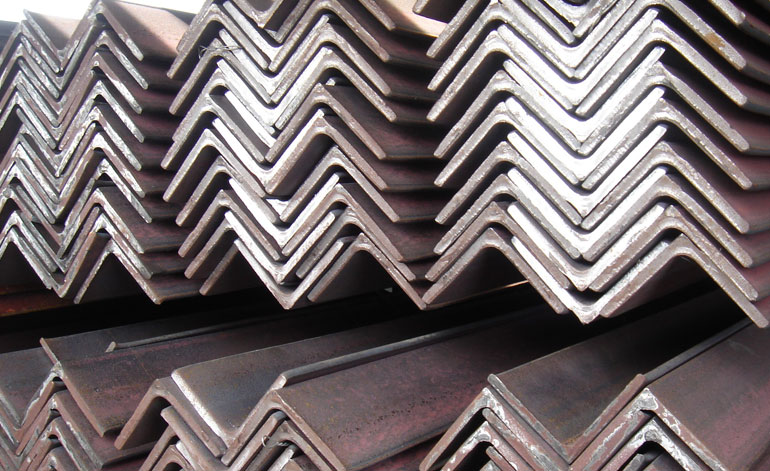
MS Angles
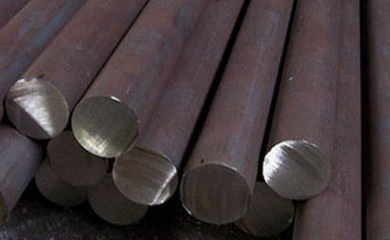
MS Round Bars
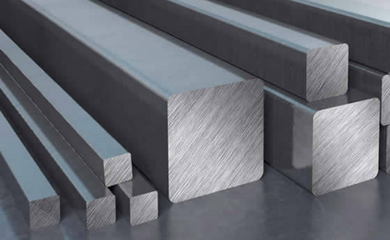
MS Square Bars
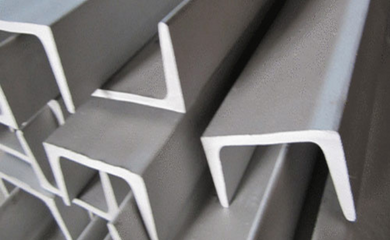
MS Channels
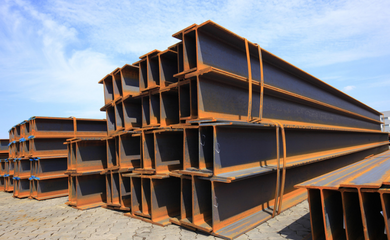
MS I Beam
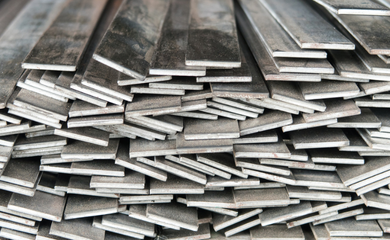
MS Flat Bars
Mild Steel Products Composition
Mild steel, also known as low carbon steel, is primarily composed of iron and carbon, with trace amounts of other elements. It is the most common form of steel used in various industries due to its affordability and versatility. Below are the key components of MS product composition:
- Iron: Primary component, providing structural integrity and strength.
- Carbon: Present in low amounts, typically less than 0.3%, enhancing hardness and strength.
- Manganese: Acts as a deoxidizer and enhances hardenability and tensile strength.
- Silicon: Improves the strength and malleability of mild steel.
- Phosphorus: Enhances machinability but should be kept low to prevent brittleness.
- Sulfur: A trace element that may be present in mild steel, affecting its machinability.
- Other trace elements: Including copper, nickel, chromium, and molybdenum, which may be present in minimal amounts and contribute to specific properties.
Mild Steel Products Grades
Mild steel grades, such as AISI 1008, AISI 1010, AISI 1015, AISI 1018, and AISI 1020, offer varying levels of strength, machinability, and weldability, making them suitable for a wide range of applications in manufacturing and construction industries. These grades are commonly used for components requiring moderate strength and excellent formability.
- AISI 1008: This grade of steel is commonly used in cold-rolled steel products. It offers good weldability, formability, and excellent surface finish. AISI 1008 is often used in automotive panels, appliances, and furniture components due to its versatility and cost-effectiveness.
- AISI 1010: Known for its excellent machinability and weldability, AISI 1010 is often used in cold-formed parts such as bolts, nuts, screws, and other components requiring moderate strength and good surface finish. It’s also suitable for automotive applications and structural components.
- AISI 1015: AISI 1015 is a low-carbon steel grade with good machinability and weldability. It’s commonly used in machinery parts, shafts, gears, and automotive components. This grade offers moderate strength and toughness while maintaining excellent formability.
- AISI 1018: AISI 1018 is a commonly used low-carbon steel grade with excellent weldability, machinability, and surface finish. It’s often used in shafts, pins, rods, and other structural components requiring moderate strength and good ductility. AISI 1018 can be easily heat treated for increased hardness and strength.
- AISI 1020: AISI 1020 is a low-carbon steel grade with good machinability and weldability. It’s often used in structural applications, machinery parts, gears, and shafts. AISI 1020 offers moderate strength and ductility, making it suitable for a wide range of manufacturing processes and applications.
Melting Point of Mild Steel
Mild steel’s ability to perform in a wide range of industrial processes is partly due to its relatively low carbon content, which influences its thermal and mechanical behavior. Knowing its melting point is important for applications involving welding, forging and heat treatment as it helps determine safe operating temperatures and processing methods.
| Property | Typical Value |
| Carbon Content | 0.05% – 0.25% |
| Melting Point Range | 1450°C – 1520°C (2642°F – 2768°F) |
| Density | ~7.85 g/cm³ |
| Tensile Strength | 400 – 550 MPa |
By understanding these values, engineers and fabricators can choose the right grade of mild steel for both high-temperature and structural applications without compromising performance.
Modulus of Elasticity of Mild Steel
The modulus of elasticity is a fundamental mechanical property that indicates how rigid a material is and how it responds to applied stress. In engineering and design, this value is used to predict how much a structural element will deform under load, ensuring safety and efficiency in applications such as beams, frames, and machinery components. For mild steel, this property is one of the key reasons it is preferred in both structural and precision engineering projects.
|
Property |
Typical Value |
|
Modulus of Elasticity |
~200 GPa (200 × 10⁹ N/m²) |
|
Yield Strength |
250 – 350 MPa |
|
Tensile Strength |
400 – 550 MPa |
|
Poisson’s Ratio |
~0.3 |
A strong modulus of elasticity means mild steel maintains its shape well under stress allowing for reliable and predictable performance in demanding industrial conditions.
Mild Steel Applications
Known for its strength, workability, and cost-effectiveness, mild steel is a versatile material used across multiple industries. Its ability to be easily cut, welded and shaped makes it suitable for both large-scale structural projects and precision-engineered components. Here’s are a few applications listed below:
- Construction & Infrastructure: Beams, columns, reinforcement bars and structural frameworks offering high load-bearing strength and easy fabrication.
- Automotive: Chassis frames, body structures, and engine mounts designed for durability and impact resistance.
- Manufacturing & Heavy Machinery: Machine frames, shafts, gears, and equipment housings capable of handling mechanical stress.
- Oil, Gas & Energy: Pipelines, offshore platforms, and support structures with protective coatings for corrosion resistance.
- Furniture & Consumer Goods: Furniture frames, tools, and household fixtures combining long service life with design flexibility.
- Agriculture: Equipment frames, irrigation systems, and fencing that withstand harsh outdoor conditions.
Frequently Asked Questions About Mild Steel Products
What is mild steel?
Is mild steel an alloy?
Can mild steel be heat treated?
How to calculate the weight of mild steel?
Weight (kg) = Volume (m³) × Density of Mild Steel (7850 kg/m³)
Manufacturers often provide ready-reference weight charts for common sizes of plates, bars and sections.
