
Inconel Products
At Lakshya International, with over 14+ years of experience we stand as a trusted manufacturer, supplier and exporter of high-performance Inconel products in India. Inconel alloys, renowned for their nickel-chromium composition, deliver exceptional corrosion resistance, high-temperature strength and long-term mechanical reliability.
Our Inconel solutions are specifically engineered to meet the stringent demands of aerospace, power generation, chemical processing and marine industries where precision, durability and safety are critical. Every product in our portfolio undergoes rigorous quality checks and metallurgical validation to ensure it meets global standards and delivers consistent performance in even the most extreme environments.
Inconel Products Manufacturer & Supplier in India
Lakshya International stands as a leading manufacturer, supplier, and exporter of premium Inconel alloys in India, trusted for over a decade by industries where performance and reliability cannot be compromised. Our expertise in nickel-chromium-based superalloys allows us to deliver products that excel in high-temperature environments, extreme corrosion conditions and mechanical stress applications.
We offer a comprehensive portfolio of Inconel products including rods, bars, hex bars, square bars, flat bars and precision-engineered components designed to meet the exacting standards of sectors such as aerospace, power generation, chemical processing, marine engineering and industrial fabrication.
Every Inconel product is meticulously tested and certified to ensure mechanical strength, thermal stability, and superior corrosion resistance, giving engineers and procurement professionals the confidence to rely on our materials for critical projects. Beyond supplying materials, we provide technical guidance and tailored solutions to help clients select the ideal Inconel grade and product type for their specific application.
With Lakshya International, you gain more than a supplier – you gain a trusted partner committed to quality, consistency and global compliance.
Inconel Products Lists
At Lakshya International, our Inconel range is meticulously engineered to meet the exacting demands of modern industries. We offer Inconel 600, 601, 625, 690, 718, 800, and 825 rods, bars, hex bars, square bars, flat bars, and custom components, each engineered to deliver exceptional durability, thermal stability, and superior mechanical performance. Whether your application involves structural frameworks, fluid systems, or specialized components, our Inconel products provide reliable performance and longevity in the most challenging environments.
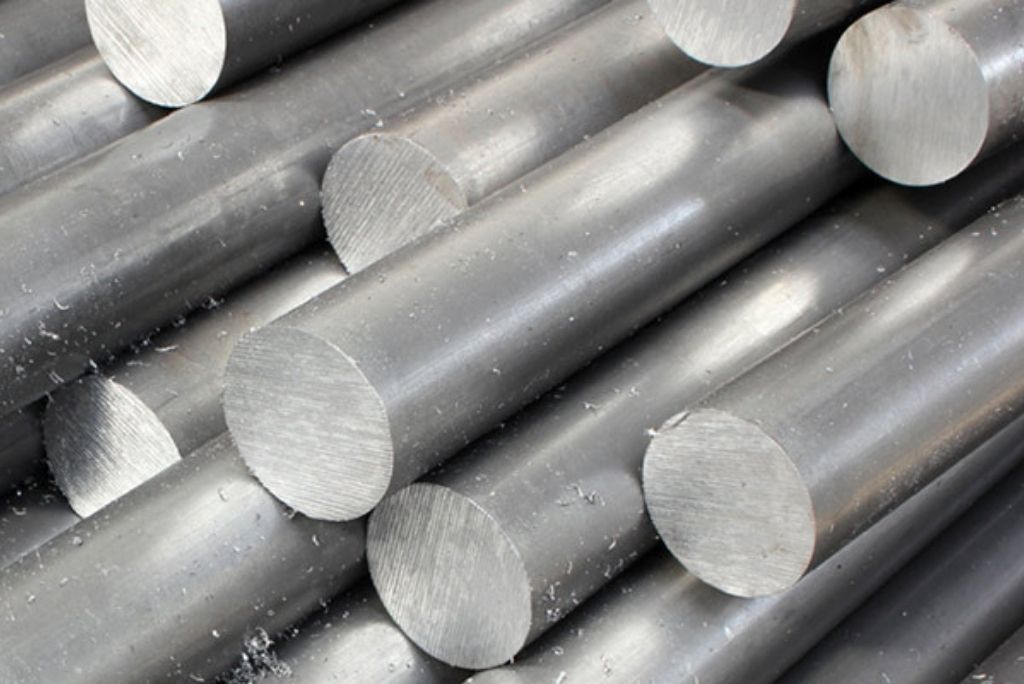
Inconel 600 / 601 / 625 / 690 / 718 / 800 / 825 Rod & Bars
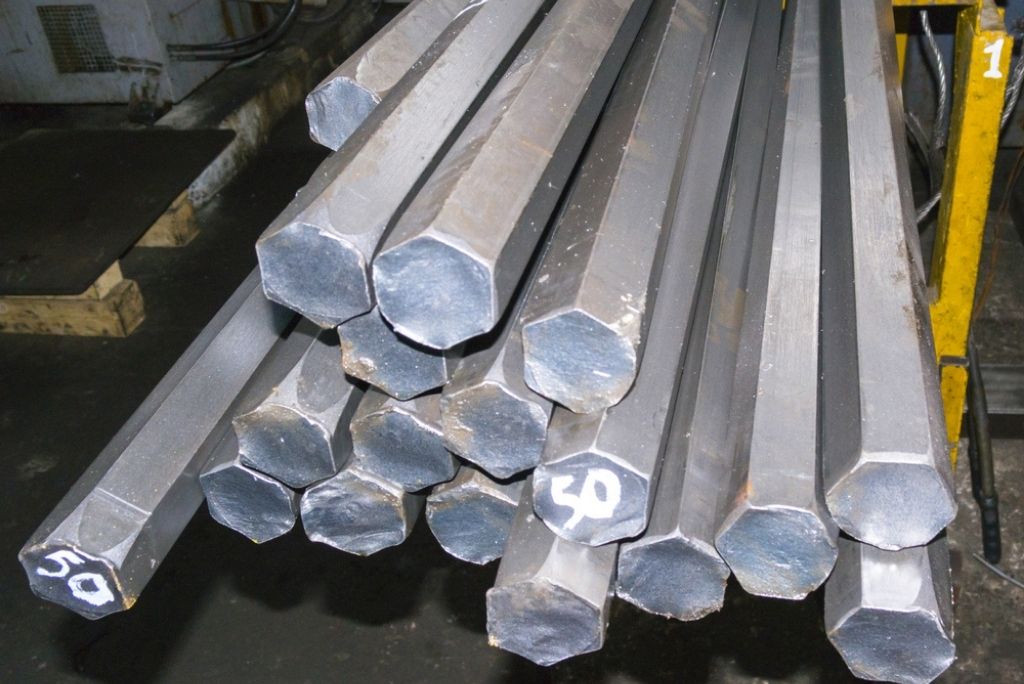
Inconel 600 / 601 / 625 / 690 / 718 / 800 / 825 Hex Bars
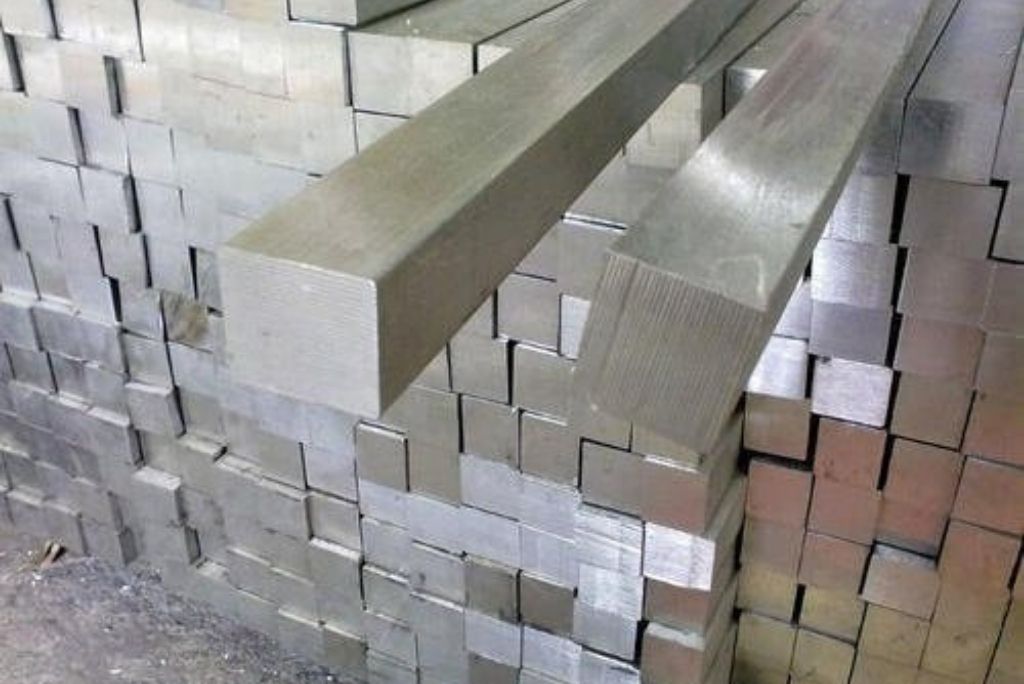
Inconel 600 / 601 / 625 / 690 / 718 / 800 / 825 Square Bars
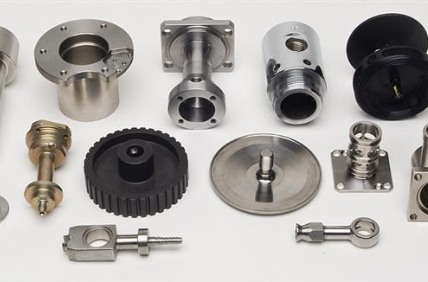
Inconel Components
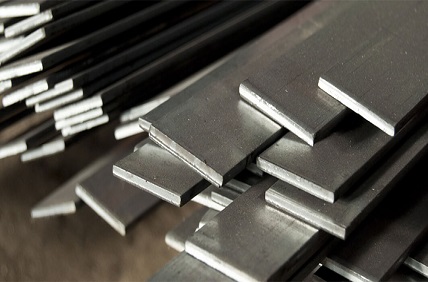
Inconel 617 Flat Bars
Chemical Composition of Inconel Material
Inconel is a family of nickel-chromium-based superalloys renowned for its high strength, corrosion resistance and performance at elevated temperatures. The chemical composition varies across grades (600, 601, 625, 690, 718, 800, 825) allowing each grade to meet specific industrial requirements:
|
Element |
Inconel 600 |
Inconel 601 |
Inconel 625 |
Inconel 690 |
Inconel 718 |
Inconel 800 |
Inconel 825 |
|
Nickel (Ni) |
72 min |
58–63 |
58–63 |
57–63 |
50–55 |
30–35 |
38–46 |
|
Chromium (Cr) |
14–17 |
20–23 |
20–23 |
27–31 |
17–21 |
19–23 |
19.5–23.5 |
|
Iron (Fe) |
6–10 |
6–10 |
5 max |
7–11 |
17 max |
39.5–44.5 |
38–46 |
|
Molybdenum (Mo) |
– |
– |
8–10 |
– |
2.8–3.3 |
– |
2.5–3.5 |
|
Copper (Cu) |
– |
– |
0.5 max |
– |
– |
– |
– |
|
Carbon (C) |
0.15 max |
0.08 max |
0.1 max |
0.08 max |
0.08 max |
0.06 max |
0.05 max |
|
Manganese (Mn) |
1 max |
1 max |
0.5 max |
1 max |
0.35 max |
1 max |
1 max |
|
Silicon (Si) |
0.5 max |
0.5 max |
0.5 max |
0.5 max |
0.35 max |
1 max |
1 max |
|
Titanium (Ti) |
– |
– |
– |
– |
0.65–1.15 |
– |
– |
|
Aluminum (Al) |
– |
– |
– |
– |
0.2–0.8 |
– |
– |
Mechanical Properties of Inconel Grade
The mechanical properties of Inconel alloys determine their performance under stress, load and temperature. Our range, including Inconel 600, 601, 625, 690, 718, 800 and 825, offers tensile strength, yield strength, elongation and hardness tailored to withstand demanding industrial conditions. Understanding these characteristics ensures reliable selection for applications requiring structural integrity and durability:
|
Property |
Inconel 600 |
Inconel 601 |
Inconel 625 |
Inconel 690 |
Inconel 718 |
Inconel 800 |
Inconel 825 |
|
Tensile Strength (MPa) |
515–827 |
580–790 |
827–1034 |
620–850 |
965–1380 |
480–620 |
585–690 |
|
Yield Strength (0.2% Offset, MPa) |
140–275 |
240–380 |
414–552 |
275–415 |
414–1100 |
275–380 |
205–380 |
|
Elongation (%) |
30–50 |
35–45 |
30–45 |
30–40 |
12–25 |
30–40 |
30–40 |
|
Hardness (HRB/ HRC) |
75–90 HRB |
80–95 HRB |
90–100 HRB |
90–100 HRB |
90–42 HRC |
70–90 HRB |
70–90 HRB |
|
Modulus of Elasticity (GPa) |
~207 |
~207 |
~205 |
~210 |
~205 |
~200 |
~205 |
|
Poisson’s Ratio |
0.31 |
0.31 |
0.3 |
0.3 |
0.29 |
0.31 |
0.31 |
Physical Properties of Inconel Material
The physical properties of Inconel alloys define their behavior under temperature, pressure, and environmental conditions. These values reflect the robust performance and reliability of our Inconel products, ensuring that every rod, bar, and component maintains its structural and thermal integrity in the most challenging industrial environments:
|
Property |
Inconel 600 |
Inconel 625 |
Inconel 718 |
Inconel 825 |
|
Density (g/cm³) |
8.47 |
8.44 |
8.19 |
8.25 |
|
Melting Point (°C) |
1350–1410 |
1290–1350 |
1260–1336 |
1350–1400 |
|
Thermal Conductivity (W/m·K) |
11 |
9.8 |
11.2 |
11 |
|
Specific Heat (J/g·K) |
0.435 |
0.42 |
0.435 |
0.43 |
|
Modulus of Elasticity (GPa) |
207 |
207 |
205 |
200 |
Inconel Equivalent Grades
Understanding the equivalent grades of Inconel is essential for global sourcing, engineering compatibility, and ensuring your projects meet international standards. Below is a reference table showing commonly recognized international equivalents for key Inconel grades:
|
Standard |
Inconel 600 |
Inconel 625 |
Inconel 718 |
Inconel 825 |
|
UNS |
N06600 |
N06625 |
N07718 |
N08825 |
|
ASTM |
B163, B164, B167 |
B443, B446, B447 |
B637, B637M |
B423, B424 |
|
Werkstoff (Germany) |
2.4816 |
2.4856 |
2.4668 |
2.4858 |
|
JIS (Japan) |
SUH660 |
SUS6625 |
SUS6718 |
SUS8825 |
|
BS (UK) |
N06600 |
N06625 |
N07718 |
N08825 |
|
EN |
NiCr20Fe |
NiCr22Mo9Nb |
NiCr19Fe19NbMo |
NiCr22Fe |
Inconel Melting Point & Thermal Characteristics
Proper understanding of melting point & thermal characteristics is crucial for designing equipment and components exposed to high temperatures, including turbines, heat exchangers and chemical reactors. Below is a summary of key thermal characteristics for commonly used Inconel grades:
|
Property |
Inconel 600 |
Inconel 625 |
Inconel 718 |
Inconel 825 |
|
Melting Point (°C) |
1350–1413 |
1290–1350 |
1260–1336 |
1370–1400 |
|
Melting Point (°F) |
2462–2575 |
2354–2462 |
2300–2436 |
2498–2552 |
|
Thermal Conductivity (W/m·K) |
11 |
9.8 |
11 |
11.6 |
|
Specific Heat Capacity (J/g·K) |
0.44 |
0.42 |
0.42 |
0.42 |
|
Density (g/cm³) |
8.47 |
8.44 |
8.19 |
8.17 |
|
Coefficient of Thermal Expansion (µm/m·°C) |
13.3 |
13.0 |
13.0 |
12.5 |
Inconel Machinability
Understanding the machinability characteristics of different Inconel grades is crucial for achieving precision components while optimizing tool life and surface finish. Here are the key machinability insights for Inconel Alloys:
|
Property |
Inconel 600 |
Inconel 625 |
Inconel 718 |
Inconel 825 |
|
Machinability Rating |
Moderate |
Moderate |
Difficult |
Moderate |
|
Work Hardening Tendency |
High |
Moderate |
High |
Moderate |
|
Preferred Cutting Tools |
Carbide, HSS |
Carbide, HSS |
Carbide |
Carbide, HSS |
|
Recommended Lubrication |
Yes |
Yes |
Yes |
Yes |
|
Surface Finish Quality |
Good |
Good |
Moderate |
Good |
Uses of Inconel
Inconel is a versatile superalloy widely used across industries that require high strength, excellent corrosion resistance, and reliable performance in extreme environments.
Aerospace Industry: Inconel is extensively used in the aerospace sector, particularly in jet engines where high temperatures are common. Components such as fuel nozzles, afterburner rings, and other critical engine parts are often made from Inconel due to its ability to withstand extreme heat and resist corrosion from jet fuel and other fluids. Inconel 625 and Inconel 718 are the most commonly used alloys in aerospace applications.
Nuclear Industry: Inconel superalloys are also prominent in nuclear applications. Its high strength, corrosion resistance, and stability at elevated temperatures make it ideal for nuclear reactors. Inconel 600 and Inconel 690 are frequently used in reactor components, ensuring long-term reliability under challenging conditions.
Other Applications: Beyond aerospace and nuclear sectors, Inconel finds use in automotive components, oil and gas equipment, firearms, manufacturing machinery, and specialized tools. It is the preferred choice for any application that demands superior mechanical strength and corrosion resistance in high-temperature environments.
Inconel Production in India
India’s Inconel production is relatively limited, with the country primarily relying on imports to meet industrial demand. Inconel, being a high-performance nickel-chromium-based superalloy, requires sophisticated metallurgical expertise and advanced manufacturing facilities which makes domestic production more challenging compared to standard stainless steels.
|
Aspect |
Details |
|
Domestic Manufacturing |
Limited production capacity; a few specialized metallurgical firms manufacture select grades. |
|
Primary Source |
Imports from countries like the USA, Japan, Germany, and South Korea supplement local supply. |
|
Major Users |
Aerospace, chemical processing, power generation, marine engineering, and high-temperature industrial applications. |
|
Production Challenges |
High raw material costs, complex alloying requirements, stringent quality standards, and advanced manufacturing processes. |
|
Emerging Opportunities |
Increasing demand from defense, aviation, and renewable energy sectors is encouraging investment in local production capabilities. |
While India’s domestic Inconel production is constrained, the country is steadily exploring options for strategic alloy production including partnerships with international manufacturers and recycling initiatives to reduce import dependency. This ensures that Indian industries can access high-quality Inconel materials for critical applications without compromising performance or reliability.
Global Inconel Production by Country (Projected for 2025)
The production of Inconel is closely tied to the global supply of nickel as it is a key component in these alloys. In 2025, the global primary nickel production is projected to reach 3.735 million metric tons, with a surplus of 198,000 metric tons expected due to rising production and weakening demand. The distribution of nickel production among countries significantly influences Inconel manufacturing capabilities. Countries with substantial nickel production are better positioned to meet the growing demand for Inconel alloys.
|
Rank |
Country |
Projected Inconel Production (2025) |
Notes |
|
1 |
Indonesia |
2,200,000 MT |
Leading global producer; supplies over 50% of global nickel demand. |
|
2 |
China |
1,095,000 MT |
Second-largest producer; steadily increasing production. |
|
3 |
Philippines |
330,000 MT |
Significant share in global production; supports regional supply. |
|
4 |
Russia |
270,000 MT |
Stable output; geopolitical factors may affect export and supply. |
|
5 |
Australia |
195,000 MT |
Reliable production contributes to global nickel availability. |
Frequently Asked Questions About Inconel Products
What is the raw material of Inconel?
Inconel is primarily composed of nickel and chromium, with smaller amounts of iron, molybdenum, cobalt and other alloying elements. These materials are carefully blended and processed to achieve high strength, excellent corrosion resistance and superior performance at elevated temperatures.
Is Inconel stronger than steel?
Is Inconel expensive?
Inconel is generally more expensive than stainless steel or conventional alloys due to its high nickel content, complex manufacturing process and specialized performance properties. However, its durability, corrosion resistance and high-temperature stability make it cost-effective for critical industrial applications where failure is not an option.
